Spring maintenance tips for hardware, fixtures, and home exteriors
a[data-rs-seo-link]{text-decoration:underline!important;color:#1a56db!important;cursor:pointer!important;}a[data-rs-seo-link]{text-decoration:underline!important;color:#1a56db!important;cursor:pointer!important;}
Spring maintenance tips are most useful when they focus on the parts of a home that winter stresses first: drainage paths, exterior fasteners, door and window seals, roof edges, outdoor fixtures, and metal hardware exposed to moisture. The process does not need to be complicated. Work from the roofline down, document visible damage, and separate safe do-it-yourself tasks from repairs that need a qualified professional. This checklist is intended for homeowners, property managers, and maintenance-minded readers who want practical seasonal checks for hardware, materials, and small repairs that can help prevent water intrusion, corrosion, sticking doors, loose railings, and avoidable replacement costs.
Start with a top-to-bottom exterior inspection
Spring is a practical time to inspect from the roofline down because freeze-thaw cycles, wind, rain, snow, and debris can shift or loosen building materials. A useful first inspection does not require climbing onto the roof. Walk the property in daylight and use binoculars or a phone camera zoom to check for lifted shingles, damaged flashing, sagging gutters, cracked sealant, and stains under eaves.
Watch for signs of movement or moisture where materials meet. Rust streaks around fasteners, peeling paint near trim joints, soft wood, dark staining on siding, or swollen thresholds can indicate that water is getting in. Active leaks, structural movement, damaged roof surfaces, unsafe electrical fixtures, and unstable railings should be treated as priority issues. In those cases, hiring a qualified contractor is often the safer choice.
- Check roof edges, fascia, soffits, and gutter attachment points from the ground.
- Look for missing screws, loose brackets, popped nails, and cracked caulk around exterior penetrations.
- Inspect porch posts, stair rails, deck boards, gates, hinges, and latches for movement.
- Photograph areas that need repair so you can compare conditions later in the season.
For more seasonal home care topics, browse the Maintenance Tips section.
Clear drainage before small problems become water damage
Water management is one of the highest-value spring maintenance tasks. Gutters, downspouts, splash blocks, grading, and surface drains all work together to move water away from the structure. When one part fails, water can overflow near siding, trim, foundations, basement windows, or crawlspace vents.
Clean leaves, seed pods, roofing granules, and other debris from gutters where it is safe to do so. Confirm that downspouts discharge away from the foundation and are not crushed, disconnected, or blocked at the elbow. If water has been pooling against the house, inspect the nearby soil and hardscape. Settled soil may need to be regraded so water moves away from the wall rather than toward it.
| Area to inspect | What to look for | Possible spring action |
|---|---|---|
| Gutters | Debris, sagging sections, leaking seams, loose hangers | Clean, refasten, seal small seams, or replace damaged sections |
| Downspouts | Disconnected elbows, crushed outlets, water dumping near foundation | Reconnect parts and add extensions where appropriate |
| Exterior grading | Low spots, standing water, soil settlement | Add and compact soil to improve drainage away from the structure |
| Surface drains | Clogged grates, mud buildup, slow drainage | Clear grates and flush accessible lines carefully |
Do not ignore repeated overflow. If a gutter is clean but still overflows during normal rain, it may be incorrectly pitched, undersized for the roof area, or blocked inside a downspout. Those problems usually need adjustment rather than another round of cleaning.
Inspect exterior hardware, fasteners, and metal parts
Exterior hardware often fails gradually. Hinges begin to squeak, screws loosen, gate latches stop aligning, and exposed fasteners corrode. Spring is a good time to catch these issues before frequent summer use puts more stress on them.
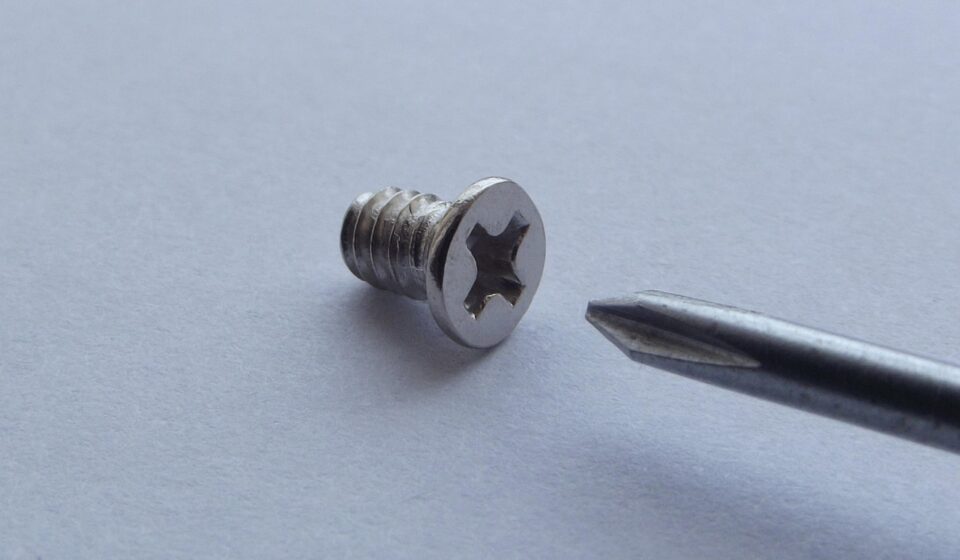
Check door hinges, storm door closers, gate hardware, deck connectors, mailbox brackets, outdoor cabinet pulls, hose reel mounts, and railing fasteners. Tighten loose screws only when the surrounding material is sound. If the hole is stripped, simply driving in a larger screw may split the wood or hide a larger defect. A better repair may require a proper plug, compatible filler, or replacement of damaged material.
Match replacement hardware to the environment
Outdoor replacements should be selected for their exposure conditions. Stainless steel, hot-dip galvanized steel, coated fasteners, brass, and aluminum each behave differently in moisture, treated lumber, and coastal air. Compatibility matters. The wrong screw or bracket can speed up corrosion, especially where dissimilar metals touch or where treated wood chemicals are present.
- Use exterior-rated fasteners for outdoor wood repairs.
- Choose corrosion-resistant hardware for gates, decks, fences, and damp areas.
- Avoid mixing metals carelessly where moisture is present.
- Replace badly rusted structural connectors rather than painting over them.
For railings, stairs, elevated decks, and load-bearing brackets, take a conservative approach. If a connection supports weight or affects fall safety, inspection by a qualified professional is often the safer option.
Refresh seals around doors, windows, siding, and penetrations
Sealants and weatherstripping take a beating during winter. Cold temperatures can make materials contract, while sunlight and moisture gradually harden or crack caulk. In spring, inspect the places where different materials meet: window trim, door frames, siding joints, vents, hose bibs, utility lines, light fixtures, and exterior outlets.
Do not apply new caulk over dirty, loose, or failing material and expect a durable repair. Remove compromised sealant, clean the surface, let it dry, and use a product designed for the material and exposure. A paintable exterior acrylic-latex sealant may work well around some trim, while polyurethane or specialized exterior sealants may be more suitable for high-movement joints. Follow the product label for temperature, cure time, joint width, and paintability.
Check weatherstripping and thresholds
Doors that leaked cold air in winter may also admit moisture, insects, and dust in warmer months. Inspect compression weatherstripping, door sweeps, thresholds, and storm door seals. Look for daylight around closed doors and check for loose or brittle rubber. Replacing a worn sweep or adjusting a latch can improve comfort without a major renovation.
Window screens also deserve attention. Bent frames, torn mesh, missing spline, and loose tabs can usually be repaired with basic hardware supplies. Completing screen repairs in spring makes windows easier to use when mild weather arrives.
Service outdoor fixtures, tools, and moving parts
Small fixtures are easy to overlook, but they are often the items used every day. Outdoor lighting, hose bibs, locks, sliding tracks, vents, and hand tools all benefit from inspection before heavy seasonal use.
- Test exterior lights and replace failed bulbs with suitable outdoor-rated options.
- Inspect fixture gaskets and covers so water does not enter electrical housings.
- Check hose bibs for leaks after the first warm-weather use.
- Lubricate hinges, locks, rollers, and latches with a product appropriate for the material.
- Clean and dry garden tools, then tighten handles, screws, and blades before storage or use.
Use caution with electrical fixtures. If a light flickers, an outlet cover is broken, wiring is exposed, or water appears inside a fixture, turn off power to the area if you can do so safely and call a licensed electrician. Moisture and electricity are not a maintenance shortcut. See also: Buying Guides.
Prepare decks, fences, patios, and exterior wood
Decks and fences often show winter wear through loose boards, raised fasteners, cracked posts, mildew, and surface checking. Begin with a visual and hands-on inspection. Press gently on railings, stair treads, posts, and boards to identify movement. Look beneath accessible deck areas for rusted connectors, split joists, or soil contact that keeps wood damp.
Cleaning should match the material. Aggressive pressure washing can damage soft wood, force water into joints, or raise the grain. In many cases, a deck cleaner, brush, garden hose, and patience are safer than maximum pressure. If you plan to stain or seal wood, allow it to dry according to the coating manufacturer’s instructions and check weather conditions before starting.
Fastener and finish decisions matter
Raised nails and screws are more than cosmetic. They can create trip hazards and allow water to enter around the fastener shaft. Reset or replace fasteners where the surrounding wood is sound. If boards are soft, split, or punky, replacement is usually better than repeatedly tightening hardware into weakened material.
For fences and gates, check post stability, hinge alignment, latch operation, and ground clearance. A gate that drags may need hinge adjustment, but it can also indicate a leaning post or soil movement. Fixing the cause is more durable than shaving the bottom of the gate every season.
Review indoor systems that connect to spring comfort
Spring maintenance is not only exterior work. As heating season ends and cooling season approaches, inspect the indoor components that affect comfort, air movement, and water safety. Replace or clean HVAC filters according to the equipment manufacturer’s instructions. Clear clutter from around indoor mechanical equipment, and make sure supply and return vents are not blocked by furniture, rugs, or stored boxes.
Test smoke alarms and carbon monoxide alarms according to manufacturer guidance, and replace batteries where applicable. If your home has a sump pump, pour water into the pit to confirm that the pump activates and discharges properly. Inspect visible supply lines under sinks and around appliances for corrosion, swelling, drips, or loose shutoff valves.
- Replace HVAC filters before high cooling demand begins.
- Vacuum accessible return grilles and register covers.
- Test sump pumps before spring storms.
- Inspect caulk around tubs, showers, sinks, and backsplashes.
- Check under cabinets for slow leaks that may have gone unnoticed during winter.
Keep repairs within your skill level. Plumbing leaks, combustion appliances, electrical panels, structural damage, and persistent moisture problems are not good places for guesswork.
A practical spring maintenance checklist by priority
Not every task has the same urgency. If time is limited, prioritize safety and water control first, then comfort and appearance. A simple priority system helps keep a long checklist from becoming a stack of unfinished notes.
- Safety first: unstable rails, damaged stairs, exposed wiring, gas odors, severe roof damage, and suspected structural movement.
- Water control: clogged gutters, disconnected downspouts, failed sealant, active leaks, poor drainage, and sump pump issues.
- Security and access: sticking exterior doors, worn locks, dragging gates, loose hinges, and broken exterior lighting.
- Material protection: peeling paint, exposed wood, rusting hardware, cracked trim, damaged screens, and failing finishes.
- Seasonal convenience: tool cleanup, patio setup, hose checks, outdoor storage, and minor cosmetic repairs.
Keep a small maintenance log with dates, photos, products used, and measurements. This record can support future repairs and make recurring problems easier to identify. If the same area needs attention every spring, the underlying cause may be drainage, movement, incompatible materials, or a design problem rather than normal wear.
Frequently asked questions
When should spring maintenance start?
Start when daytime conditions are safe, snow and ice have cleared, and exterior surfaces are dry enough to inspect. In many regions, early to mid-spring is suitable for inspection, while painting, sealing, and staining may need warmer and drier conditions.
Which spring maintenance task should come first?
Begin with safety hazards and water control. Loose railings, damaged steps, electrical problems, clogged gutters, and drainage issues can create larger risks than cosmetic repairs, so they should move to the top of the list.
Do I need special tools for spring maintenance?
Most basic checks can be done with gloves, a flashlight, screwdriver, adjustable wrench, a ladder used safely on stable ground, garden hose, camera, and cleaning supplies. Repairs may require specific fasteners, sealants, lubricants, or replacement hardware matched to the material and exposure.
How often should exterior hardware be checked?
Inspect exterior hardware at least once in spring and again before winter. Gates, railings, decks, locks, and fixtures in wet, coastal, or high-use areas may need more frequent checks because corrosion and movement can appear faster.
What should not be handled as a DIY spring repair?
Avoid do-it-yourself repairs involving structural supports, major roof work, exposed electrical wiring, gas lines, unstable ladders, significant mold, or persistent water intrusion unless you have the proper training. Those conditions call for qualified help.