How to choose heating & plumbing supplies for reliable building projects

a[data-rs-seo-link]{text-decoration:underline!important;color:#1a56db!important;cursor:pointer!important;}a[data-rs-seo-link]{text-decoration:underline!important;color:#1a56db!important;cursor:pointer!important;}
What to check before you buy
Choosing heating & plumbing supplies should start with the building system, not the lowest unit price. The right purchase depends on system type, local code, water quality, operating temperature, pressure, available space and the certifications required for potable-water or heating equipment. A low-cost valve, pipe, fitting or water heater can become expensive if it is not accepted by the adopted plumbing code, cannot be serviced after installation, is undersized for demand or lacks a recognized safety mark.
This guide is intended as a procurement checklist for residential, light commercial and renovation projects. It is not a substitute for local code review. Model codes such as the International Plumbing Code and Uniform Plumbing Code are widely referenced in the United States, but the enforceable version depends on the state, city or authority having jurisdiction. For related procurement topics, see the Buying Guides section.
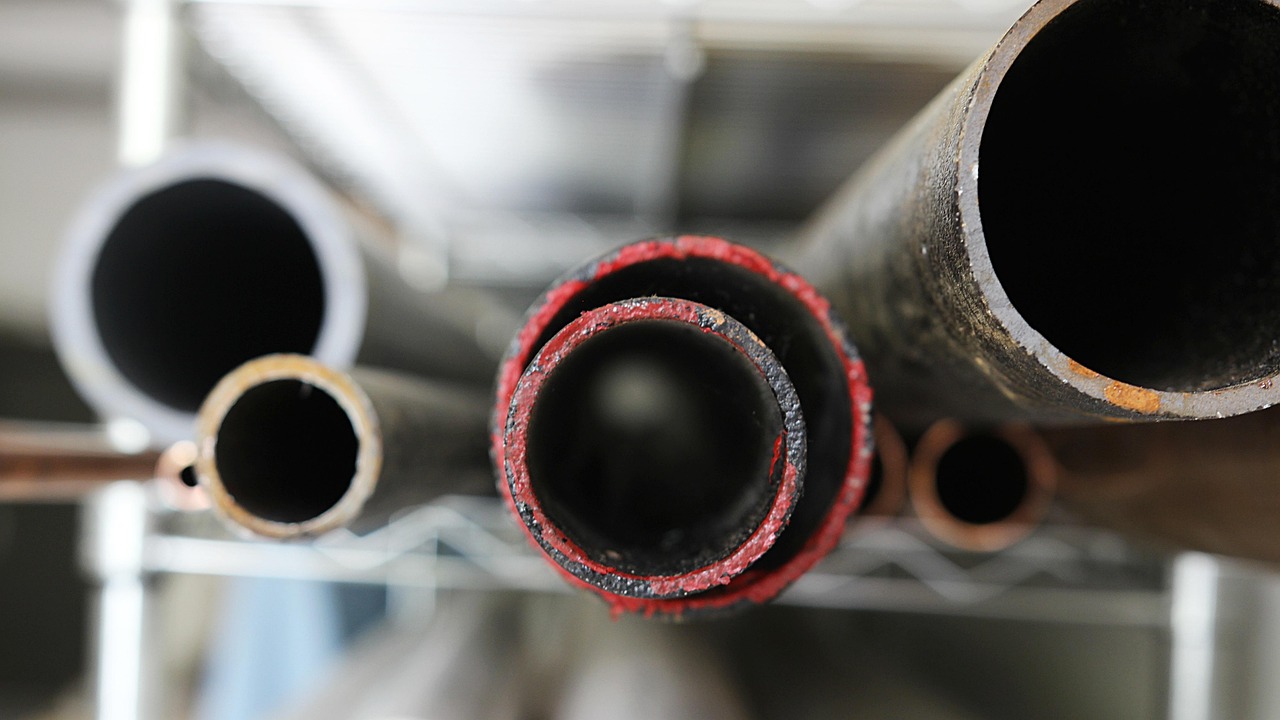
Start with the system, not the product list
Many purchasing errors begin when buyers select individual products before defining the system they must serve. Before ordering pipe, fittings, valves, pumps or heating equipment, confirm whether the project involves potable water, hydronic heating, domestic hot water, drainage, gas venting, radiant floor heating or a mixed mechanical room. Each application has its own limits for temperature, pressure, corrosion resistance and certification.
A simple project map should answer four questions:
- Is the material in contact with drinking water?
- What are the maximum expected pressure and temperature?
- Will the product be concealed behind walls or remain accessible for service?
- Which code edition and product standards does the local inspector recognize?
This step matters because similar-looking products can have very different permitted uses. A fitting suitable for a closed hydronic loop may not be suitable for potable water. Drain, waste and vent material should not be assumed suitable for pressurized water distribution. A valve with the right nominal pipe size may still be wrong if its temperature rating, end connection or lead-free certification does not match the job.
Verify code fit and potable-water certifications
For plumbing supplies that contact drinking water, certification is one of the main buying filters. The U.S. Environmental Protection Agency explains that the Safe Drinking Water Act definition of lead-free is a weighted average of 0.25 percent lead across wetted surfaces for pipes, pipe fittings, plumbing fittings and fixtures, and 0.2 percent for solder and flux. That requirement should be treated as a baseline for potable-water components, not as a full performance guarantee.
Buyers should also distinguish between common certification references. NSF/ANSI/CAN 61 evaluates health effects from drinking-water system components, including contaminants that may leach from materials. NSF/ANSI/CAN 372 addresses lead content. These marks are not interchangeable with filter performance standards, and they do not mean a device removes lead from water unless a separate reduction standard applies.
Potable-water buying checks
- Look for recognized third-party certification marks on valves, faucets, fittings and other wetted components.
- Match the product standard to the application, especially for pipe systems, press fittings, push-fit fittings and transition fittings.
- Confirm that solder, flux and brass components meet current lead-free requirements where drinking water is involved.
- Do not rely on broad claims such as “safe,” “compliant” or “tested” without the actual standard and certification body.
For fixtures, EPA WaterSense is another useful filter when water efficiency matters. WaterSense-labeled products are independently certified to be at least 20 percent more water-efficient while performing as well as or better than standard products in the same category. For buyers, faucets, showerheads, toilets and related products should be judged by both flow rate and performance, not flow rate alone.
Choose heating supplies by load, efficiency and installation conditions
Heating-related purchases often include water heaters, boilers, expansion tanks, circulators, mixing valves, thermostatic controls, insulation and hydronic distribution components. The first rule is to size and specify around demand. Oversized equipment can cost more, short-cycle or waste energy. Undersized equipment may struggle during peak use, especially in homes with multiple bathrooms, large tubs or high simultaneous hot-water demand.
For water heaters, the Uniform Energy Factor, or UEF, is the standard efficiency measure used on many residential water heater specifications. ENERGY STAR notes that UEF measures overall water heater efficiency. It is useful for comparing similar product categories, but it should not be the only buying factor. Recovery rate, first-hour rating, fuel type, venting, electrical requirements, condensate management and service access can matter just as much on real projects.
Heat pump water heater considerations
Heat pump water heaters can be highly efficient, but their installation conditions are more specific than conventional electric storage models. ENERGY STAR guidance says these units generally need an interior space that remains between 40 and 90 degrees Fahrenheit year-round and provides about 1,000 cubic feet of surrounding air space, unless the installation uses manufacturer-approved ducting or other design provisions. They can also cool the space around them, which may be useful in some mechanical rooms and inconvenient in others.
Before buying a heat pump water heater, check the location, electrical circuit, condensate route, noise rating, clearance requirements and expected hot-water pattern. In colder spaces or during heavy use, some models may rely more on backup electric resistance elements, which can reduce the expected efficiency advantage. This is not a reason to avoid the technology; it is a reason to match the product to the building.
Hydronic heating components
For hydronic heating, the key buying details are material compatibility, oxygen diffusion control, pump sizing, expansion capacity and water treatment. Closed-loop systems may allow components that are not approved for potable water, but they still require temperature and pressure ratings that match the design. Oxygen-barrier tubing is commonly specified in hydronic applications to help protect ferrous components from corrosion, but the exact material and joining method should follow the mechanical design and local code.
Compare common pipe and fitting materials
Pipe selection should balance code acceptance, durability, labor time, tool requirements, expansion and contraction, freeze risk, water chemistry and long-term serviceability. No single material is best for every project. The practical goal is to choose a system that installers can assemble correctly and future technicians can identify and repair.
| Material or component | Common use | Key buying checks |
|---|---|---|
| Copper tube | Potable water, mechanical piping and some heating applications | Confirm tube type, wall thickness, joining method and local code acceptance. The Copper Development Association describes Type K as the heaviest common water tube, Type L as standard and Type M as lighter wall. |
| PEX tubing | Potable-water distribution and radiant or hydronic systems when approved | Check oxygen-barrier requirements for heating, expansion or crimp system compatibility, UV exposure limits and fitting certification. |
| CPVC pipe | Hot and cold potable-water distribution where permitted | Verify temperature rating, solvent cement compatibility, support spacing and expansion control. |
| Push-fit fittings | Repairs, transitions and accessible connections | Confirm approved pipe materials, insertion depth, pressure rating and whether the fitting may be concealed under local rules. |
| Press fittings | Fast copper or stainless connections | Match jaw profile, seal material, temperature rating and approved applications. |
Copper remains valued for strength, heat tolerance and long service history, but it requires proper soldering, brazing or pressing technique and may be affected by water chemistry. PEX is flexible and fast to install, but buyers must avoid mixing incompatible fitting systems and should protect tubing from prolonged UV exposure. CPVC can be cost-effective for approved potable-water uses, but it needs the correct solvent cement, curing time and allowance for thermal movement. See also: Fasteners.
Fittings deserve as much attention as pipe. A project can fail because of one incompatible adapter, a seal material not rated for the fluid temperature, or a transition fitting used outside its listed application. When comparing quotes, make sure fittings, valves, hangers and accessories are included in the same quality review as the main pipe.
Do not overlook valves, insulation and service parts
Buyers often focus on large equipment while treating smaller accessories as generic. That is risky. Shutoff valves, check valves, pressure-reducing valves, backflow preventers, mixing valves, unions, dielectric fittings, strainers and gauges determine whether the system can be isolated, balanced, protected and maintained.
For domestic hot water, mixing valves can help control delivery temperature where scald risk is a concern, but they must be selected and installed according to the manufacturer’s instructions and applicable code. For pressurized systems, expansion tanks must be sized for system volume, pressure and temperature. For water heaters, temperature and pressure relief valves are safety components, not optional accessories, and should match the equipment requirements.
Pipe insulation is another area where small choices affect performance. ASHRAE Standard 90.1 includes service hot-water piping insulation provisions for many commercial building applications. Even where a specific energy standard does not apply, insulating hot-water piping can reduce standby losses and improve comfort by helping hot water arrive more predictably at fixtures. Buyers should check insulation thickness, temperature rating, vapor control needs and whether the material will be exposed to sunlight, moisture or physical damage.
Use a procurement checklist before placing the order
A clear checklist helps prevent substitutions that look minor on paper but create field problems. The best purchase order is specific enough for the supplier to identify the intended product without guessing.
- Application: potable water, hydronic heating, domestic hot water, drainage or another defined use.
- Code basis: adopted local code edition and any project specifications.
- Certifications: NSF/ANSI/CAN 61, NSF/ANSI/CAN 372, WaterSense, ENERGY STAR or other required marks where applicable.
- Ratings: pressure, temperature, flow rate, fuel input, electrical requirements and efficiency metrics.
- Compatibility: pipe material, fitting system, seal material, solder, flux, solvent cement, tools and accessories.
- Installation limits: clearance, support spacing, UV exposure, freeze protection, venting, condensate routing and service access.
- Documentation: product data sheets, installation instructions, warranty conditions and inspection documents.
Substitutions should be reviewed against every item on this list. A cheaper equivalent may be acceptable if it has the same approvals, ratings and compatibility. It should be rejected if it only matches size and general appearance.
Frequently asked questions
What is the most important certification for plumbing supplies?
For products that contact drinking water, look first for recognized potable-water certifications such as NSF/ANSI/CAN 61 for health effects and NSF/ANSI/CAN 372 for lead content, along with compliance with federal lead-free requirements. Fixtures may also carry WaterSense labeling for water efficiency and performance.
Are WaterSense products only about saving water?
No. WaterSense-labeled products are independently certified for efficiency and performance. The program’s purpose is not simply to reduce flow, but to identify products that use less water while still meeting performance criteria for their category.
Is copper better than PEX for every plumbing project?
No. Copper, PEX and CPVC each have suitable applications and limitations. Copper has strong heat tolerance and a long track record. PEX is flexible and fast to install. CPVC can be useful where approved and properly installed. The better choice depends on code acceptance, water chemistry, temperature, pressure, access and installer competence.
What should buyers check before choosing a heat pump water heater?
Check installation space, ambient temperature, available air volume, electrical requirements, condensate drainage, noise rating, tank size and expected hot-water demand. Efficiency ratings are important, but they only translate into real savings when the unit is installed in suitable conditions.
Can I use the same supplies for potable water and hydronic heating?
Not automatically. Some components are approved for both uses, while others are application-specific. Potable-water parts need drinking-water certifications, and hydronic systems may require materials such as oxygen-barrier tubing or components rated for closed-loop heating conditions. Always match the product listing to the actual use.