Paper fasteners explained: types, uses, and selection tips
a[data-rs-seo-link]{text-decoration:underline!important;color:#1a56db!important;cursor:pointer!important;}a[data-rs-seo-link]{text-decoration:underline!important;color:#1a56db!important;cursor:pointer!important;}
What paper fasteners do
Paper fasteners hold sheets together without turning them into a bound book or permanent booklet. In everyday office and stationery use, the term often means a brass brad or two-prong fastener, but it can also cover paper clips, binder clips, staples, slide fasteners, and similar document hardware. The right choice depends on how the document will be handled: whether it needs to lie flat, be reopened often, remain in storage, or avoid permanent holes. For buyers comparing document hardware with broader fasteners, the distinction is important: paper fasteners are intended for organizing and handling sheets, not for structural load-bearing.
This guide compares the main types, where each one works best, and the preservation limits that are easy to overlook when selection is based only on price or convenience.
Main types of paper fasteners
Paper fasteners look simple, but they solve different document problems. Some are meant for temporary grouping, some for filing, and others for semi-permanent packet assembly. A useful comparison starts with three questions: how the fastener grips the paper, whether it pierces the sheets, and how easily the document can be opened again.
Brad and prong fasteners
A brad fastener, sometimes called a brass fastener or split-pin paper fastener, usually has a round head and two flexible legs. The legs pass through punched holes and are spread on the back of the stack. This style is common in school materials, forms, sample books, rotating charts, craft templates, and lightweight document packets.
Two-prong file fasteners use the same basic principle but are usually designed for folders and records. Some systems include a base, a compressor bar, and sliding locks to hold the stack more evenly. They are useful when pages must stay in a fixed order while still being available for review or page turning.
Paper clips
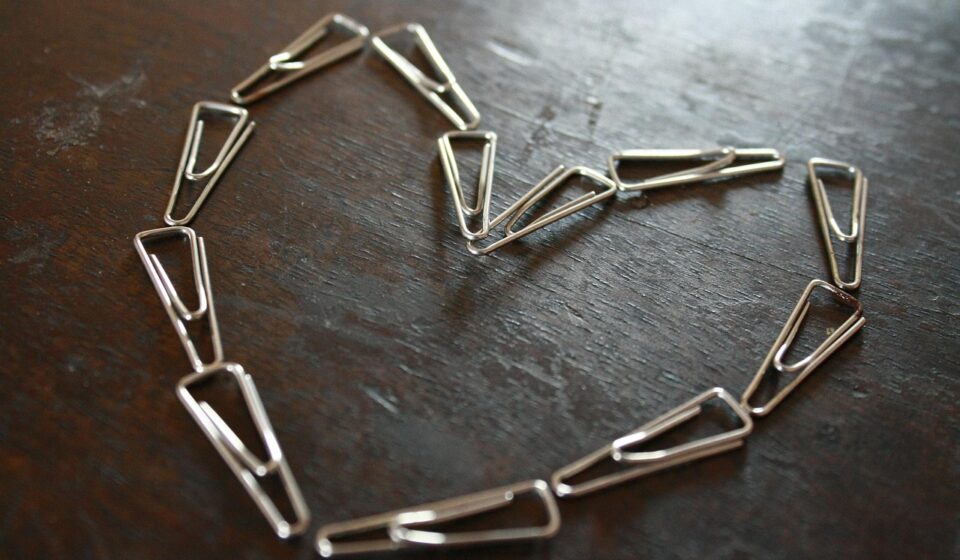
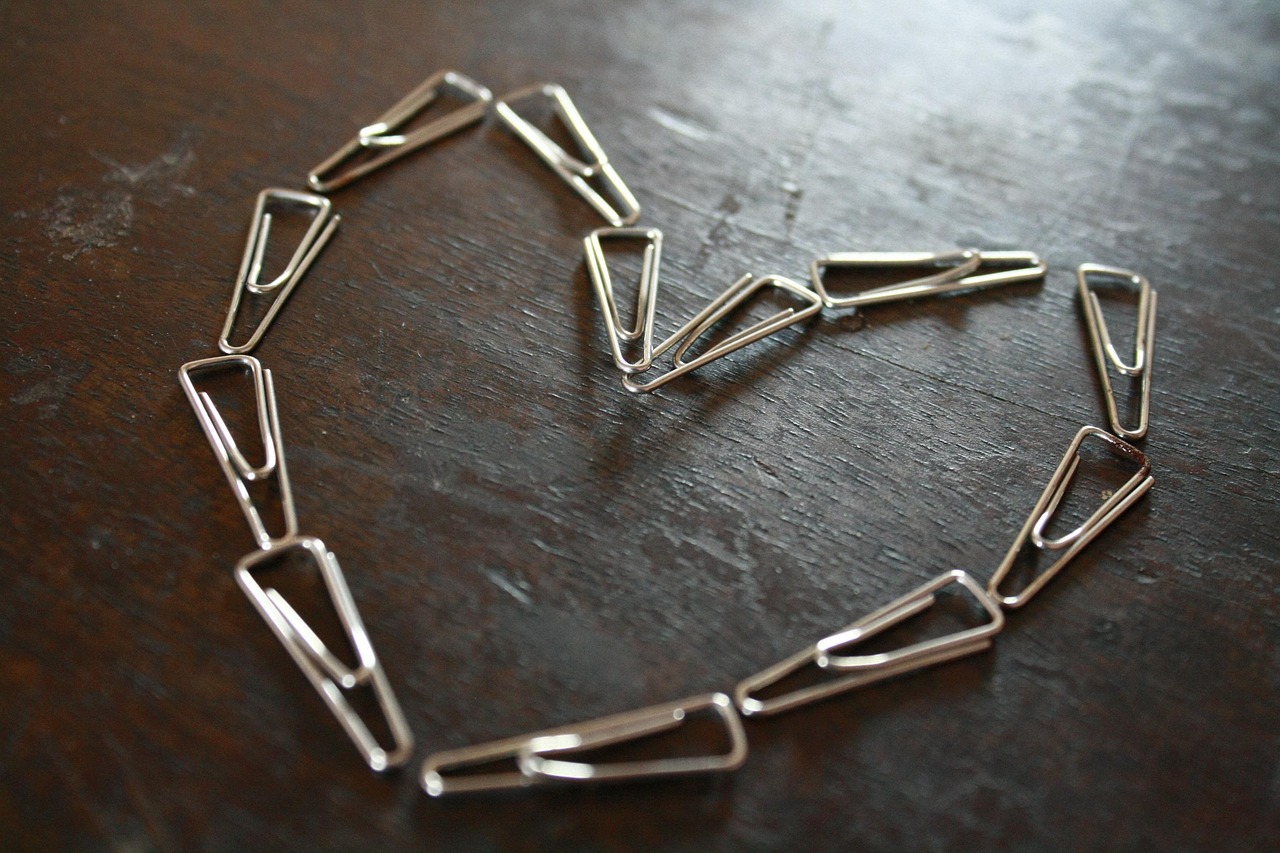
Paper clips are best for temporary grouping because they do not need holes, machines, or folder hardware. They are quick to apply and remove, which makes them suitable for drafts, approval forms, short packets, and documents that will be separated later. Their limitation is pressure and grip: a tight clip can dent edges, while a loose clip may slide off during handling.
Binder clips and bulldog clips
Binder clips use spring pressure to hold thicker stacks than most standard paper clips can manage. They work well for active paperwork, project files, proofs, and packets that are too thick for a small clip. The same clamping force, however, can leave impressions on paper edges if the clip stays in place for a long time.
Bulldog clips serve a similar purpose and often have a broader gripping face. They are common where documents are handled repeatedly, hung, or grouped temporarily on a desk or board.
Staples
Staples are fast and economical for packets that do not need frequent reordering. They pierce the paper and are usually harder to remove cleanly than clips or prong fasteners. That makes them practical for handouts, invoices, internal packets, and short-term administrative files, but less suitable for delicate, valuable, or frequently revised documents.
| Fastener type | Best use | Main advantage | Main limitation |
|---|---|---|---|
| Brad or split-pin fastener | Light packets, crafts, rotating pages | Simple and low cost | Requires punched holes |
| Two-prong file fastener | Folders, ordered records, file packets | Keeps pages in sequence | Needs compatible holes or folder setup |
| Paper clip | Temporary grouping | No holes and easy removal | Can slip, dent, or rust |
| Binder clip | Thicker active stacks | Strong reusable grip | Can compress edges |
| Staple | Short packets and handouts | Fast and secure | Permanent holes and removal risk |
How to choose the right paper fastener
Selection should start with the document, not the fastener. A packet that will be revised tomorrow should not be handled the same way as a signed record that may stay in storage for years. Before choosing, consider how the stack will be used, moved, copied, opened, and stored.
- Page count and stack thickness: Thin packets can often use a paper clip, staple, or small brad. Thicker stacks usually need a binder clip, file prong, or another fastener with a wider grip range.
- Need for page order: If pages must stay in a fixed sequence, prong fasteners and file fasteners are more reliable than loose clips.
- Need for removal: For temporary review, paper clips and binder clips are easier to remove than staples or bent prongs.
- Paper condition: Brittle, thin, coated, or valuable paper needs less pressure and fewer punctures.
- Storage period: Long-term files need more attention to corrosion, compression marks, and handling damage.
- Available tools: Staples need a stapler and sometimes a remover. Prong fasteners usually need punched holes. Clips need no preparation.
For routine office use, convenience may be the deciding factor. For legal, archival, photographic, or historical records, reversibility and material stability often matter more than speed.
Materials and finishes matter
Most paper fasteners are made from thin metal, spring steel, brass, brass-plated steel, stainless steel, or plastic-coated wire. Material choice affects cost, stiffness, appearance, corrosion resistance, and long-term contact with paper.
Steel is strong and economical, but unprotected steel can corrode if it is exposed to moisture or poor storage conditions. Brass and brass-colored finishes are common in brad fasteners, but a brass-colored surface does not always mean the whole part is solid brass. Stainless steel is often preferred where corrosion resistance matters. Plastic-coated paper clips reduce direct metal contact, although coatings can crack, age, or trap dirt depending on storage conditions.
Preservation guidance from institutions such as the U.S. National Archives and the Library of Congress adds useful nuance. Metal fasteners are not automatically harmful in every situation, but they should be evaluated when they obscure information, create stress, show rust, damage the paper surface, or interfere with safe handling and scanning. For photographs and delicate papers, handling guidance is stricter because clips, staples, rubber bands, and adhesive materials can damage surfaces or edges.
The practical takeaway is to match the fastener material to the value and expected life of the document. A low-cost clip may be suitable for a two-day office draft. Long-term records deserve a more careful decision.
Use and removal practices that reduce damage
Even the right fastener can cause damage if it is applied carelessly. For prong fasteners, punch clean holes and avoid forcing the legs through uneven stacks. When the prongs are bent back, keep them flat enough to hold the packet, but not so tight that the pages tear when turned. See also: Buying Guides.
For paper clips, avoid overloading the clip or pushing it too far onto fragile paper. If the document has long-term value, a small protective paper barrier can reduce direct pressure from the clip. Binder clips should usually be removed before a packet goes into long storage unless the clamping is necessary and the paper can tolerate it.
Staple removal needs particular care. Pulling a staple upward from the front of the packet can tear paper fibers, especially on old or thin sheets. When removal is necessary, support the document, lift the folded legs from the back first, and avoid dragging metal points across the page. If the paper is brittle, historically valuable, or already damaged, removal may be a conservation task rather than an ordinary office task.
Scanning is another common reason to reconsider fastener choice. A flatbed scanner, sheet-fed scanner, or copier may require the packet to open fully. If a fastener prevents the document from lying flat, it can cause creases, shadows, missed information, or feeder jams. In those cases, temporary clips may be safer than permanent fasteners during document preparation.
Paper fasteners compared with industrial fasteners
The word fastener is used across many industries, from office supplies to construction hardware and precision mechanical components. Paper fasteners sit at the light-duty end of that range. They hold sheets by clamping, bending, piercing, or friction; they are not intended to carry structural loads, resist vibration, or meet the same dimensional requirements as screws, bolts, rivets, or engineered clips.
This difference matters when teams write specifications or purchase lists. A brad in stationery can mean a split paper fastener, while a brad in woodworking may refer to a small nail. A clip can mean a paper clip, binder clip, retaining clip, spring clip, or panel clip depending on the industry. Clear descriptions reduce ordering errors.
For document hardware, useful specifications include material, finish, leg length, capacity range, hole spacing, head style, coating, and packaging quantity. For mechanical hardware, specifications usually need much more detail, such as grade, thread form, dimensions, coating standard, and application environment. Mixing the two vocabularies can create confusion.
Specification checklist for buying paper fasteners
When selecting paper fasteners for an office, archive, school, print shop, or filing project, use a short checklist rather than relying only on the product name. This is especially important because names such as brass fastener, paper fastener, brad, and split pin are often used interchangeably.
- Fastener style: brad, two-prong, paper clip, binder clip, staple, or file compressor system.
- Document use: temporary review, permanent packet, filing, scanning, presentation, mailing, or storage.
- Stack thickness: choose a fastener that holds securely without over-compressing the paper.
- Hole requirement: confirm whether holes are acceptable and whether the hole spacing matches the folder or fastener base.
- Material: consider steel, brass, stainless steel, or coated wire according to storage and corrosion needs.
- Reusability: clips and binder clips are reusable; staples and many bent-prong fasteners are less convenient to reuse.
- Document sensitivity: avoid unnecessary punctures or pressure on valuable, brittle, photographic, or coated materials.
- Handling frequency: frequently opened packets need a fastener that allows page turning without tearing.
A careful specification does not need to be complicated. It only needs to describe the actual document requirement: how many sheets must be held, how long they must stay together, how often they will be opened, and whether the fastener can safely touch the paper over time.
Frequently asked questions
Are paper fasteners the same as brads?
Sometimes. In many stationery contexts, paper fastener refers to a brad or split-pin fastener with two legs that spread behind the paper. In broader use, the term can also include paper clips, binder clips, staples, and file prong fasteners.
Which paper fastener works for thick document packets?
For active thick packets, binder clips are often practical because they provide a strong reusable grip without punched holes. For filed packets that must remain in order, a two-prong file fastener or compressor-style fastener is usually more organized.
Should old metal fasteners be removed from stored records?
Not always. Removal can help when a fastener is rusty, damaging the paper, hiding information, or preventing safe handling. However, removing a fastener from brittle or valuable paper can also cause damage, so the condition of the document should guide the decision.
Do paper clips damage documents?
They can. Paper clips may dent paper, catch on nearby sheets, rust in poor conditions, or leave marks after long contact. For short-term office use, they are convenient. For preservation, the material, pressure, and storage environment matter.
Are paper fasteners reusable?
Paper clips and binder clips are highly reusable. Brad fasteners and prong fasteners can sometimes be reused, but repeated bending weakens the legs. Staples are generally treated as single-use fasteners because removal changes their shape and can damage paper.