Steel pipes and fittings selection guide for industrial and building use
a[data-rs-seo-link]{text-decoration:underline!important;color:#1a56db!important;cursor:pointer!important;}a[data-rs-seo-link]{text-decoration:underline!important;color:#1a56db!important;cursor:pointer!important;}
Steel pipes and fittings selection starts with service conditions
Steel pipes and fittings should be specified by matching the material, pipe size, wall thickness, connection type and coating to the actual service. Steel grade is only one part of the decision. The conveyed fluid or gas, operating pressure, temperature, corrosion exposure, installation method, code requirements and maintenance access all affect whether a piping system will perform reliably.
In practice, many problems come from mixed standards, using one fitting type across different services, or overlooking corrosion at joints. For buyers, engineers and maintenance teams, the safer approach is to define the duty first, then confirm the applicable standards, material grades, dimensions and documentation before placing an order.
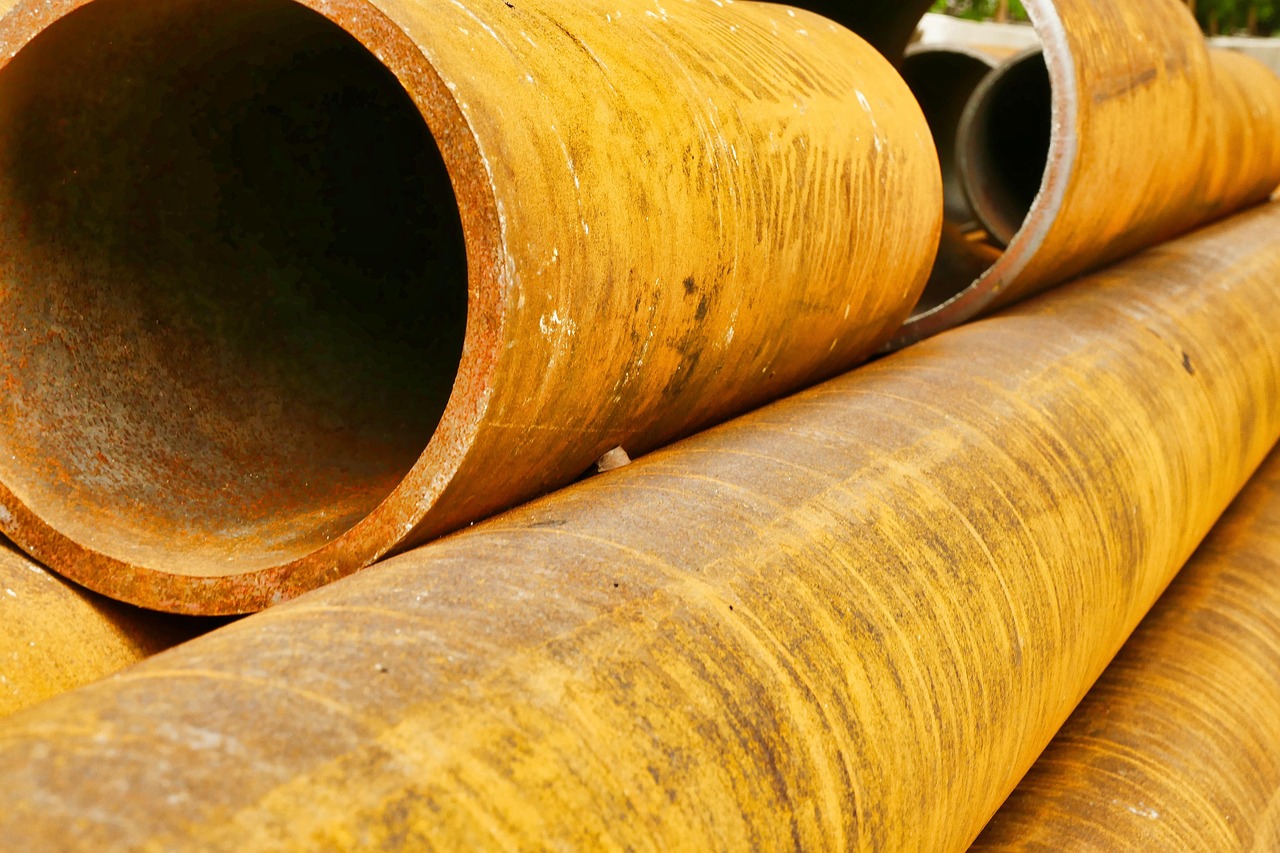
This guide explains the main choices behind steel piping assemblies and points out where small specification gaps can lead to leakage, premature corrosion or installation delays. For related hardware categories, see the Metal Fittings section.
What counts as steel pipe and what counts as a fitting?
In piping work, the pipe is the straight pressure-containing member that carries the medium. Fittings are the components used to change direction, branch a line, reduce size, close an end, connect equipment or create a detachable joint. Common fittings include elbows, tees, reducers, caps, couplings, unions, flanges, bushings and nipples.
The distinction matters because pipes and fittings are often controlled by different standards. A carbon steel pipe may be specified to ASTM A53 or ASTM A106, while a butt-welding elbow may be specified to ASME B16.9, a flange to ASME B16.5, and threaded ends to ASME B1.20.1. The overall system may also need to comply with a piping code such as ASME B31.1 for power piping or ASME B31.3 for process piping, depending on the application.
Another common source of confusion is pipe versus tube. Pipe is normally selected by nominal pipe size and schedule. Tube is commonly selected by actual outside diameter and wall thickness. For pressure piping, do not substitute tube for pipe unless the design basis, fittings, end preparation and applicable code allow it.
Main material choices for steel piping systems
The word steel covers several material families. Choosing the right family is usually more important than choosing the fitting shape first.
Carbon steel
Carbon steel is widely used for general mechanical service, fire protection, low-pressure fluid lines, compressed air and many industrial systems. ASTM A53 is commonly associated with black and hot-dipped galvanized welded and seamless steel pipe. ASTM A106 is commonly used for seamless carbon steel pipe in high-temperature service. Carbon steel is strong and economical, but it needs corrosion control when exposed to water, soil, weather, chemicals or condensation.
Galvanized steel
Galvanized steel has a zinc coating that helps protect the base steel. It can be useful in atmospheric exposure and some building applications, but it is not a universal corrosion solution. Cutting, threading and welding can disturb the coating, so damaged areas may need approved repair. Galvanized pipe also requires extra caution in potable water contexts. U.S. EPA public guidance notes that galvanized pipes can hold lead particles in some drinking water systems, especially where lead service lines or older lead-bearing components have been present.
Stainless steel
Stainless steel pipe and fittings are used where corrosion resistance, hygiene or appearance is important. ASTM A312 covers seamless, welded and heavily cold worked austenitic stainless steel pipe for high-temperature and general corrosive service. Grades such as 304 and 316 are common, but they are not interchangeable in every environment. Chlorides, cleaning chemicals, heat and crevices can affect stainless performance, so grade selection should be based on the actual environment rather than the word “stainless.”
Alloy steel
Alloy steel is used where higher temperature, higher pressure or specific mechanical performance is required. Power generation, refinery and process applications may use alloy pipe and fittings selected under project-specific codes and material specifications. For these systems, the material test report, heat number, wall thickness and welding procedure are often as important as the nominal size.
Standards that shape pipe and fitting specifications
A clear specification normally identifies the material standard, dimensional standard, end connection, rating basis, coating and required testing documents. The table below summarizes common reference points used in steel pipe and fitting selection.
| Reference | What it commonly covers | Why it matters |
|---|---|---|
| ASTM A53/A53M | Black and hot-dipped galvanized welded and seamless steel pipe | Common baseline for general steel pipe applications |
| ASTM A106/A106M | Seamless carbon steel pipe for high-temperature service | Often used where temperature and pressure are more demanding |
| ASTM A312/A312M | Austenitic stainless steel pipe | Important for corrosive or hygienic service conditions |
| ASME B16.9 | Factory-made wrought butt-welding fittings | Defines dimensions, tolerances, markings and related fitting requirements |
| ASME B16.5 | Pipe flanges and flanged fittings | Supports flange class, dimensions and pressure-temperature rating selection |
| ASME B1.20.1 | General-purpose inch pipe threads including NPT | Helps avoid thread mismatch in threaded assemblies |
| ASME B36.10M | Welded and seamless wrought steel pipe dimensions | Connects nominal pipe size, outside diameter and schedule |
These references should not be treated as decorative language on a purchase order. If a drawing calls for a 2-inch Schedule 40 carbon steel line with butt-welding fittings, the pipe wall, elbow wall, weld end preparation and material compatibility all need to work together. If the project requires certified materials, the order should request mill test reports and traceability instead of assuming they will be supplied automatically.
How to match fittings to the piping duty
The fitting type should follow the service conditions and installation method. A low-pressure water line, a steam header and a chemical process line may all use steel components, but the connection details can be very different.
Threaded fittings
Threaded fittings are convenient for smaller sizes and lower-pressure services. They are common in maintenance work because they can be installed without welding. However, threads reduce wall thickness at the connection and create potential leak paths if sealant, tightening practice or thread compatibility is poor. Threaded joints are usually not preferred for severe vibration, high temperature cycling or critical hazardous service unless the governing code and project specification allow them.
Socket-weld fittings
Socket-weld fittings are used in smaller-bore welded systems. They can be strong and compact, but they introduce crevice areas that may be a concern in corrosive or hygienic applications. Fit-up, gap control and welding procedure quality are important.
Butt-welding fittings
Butt-welding elbows, tees, reducers and caps are common in industrial piping because they create a continuous welded system. ASME B16.9 is a key reference for factory-made wrought butt-welding fittings. These fittings are typically selected to match the pipe size, wall thickness and material family. They require welding skill, inspection access and proper end preparation, but they are often preferred where strength and long-term leak resistance are priorities.
Flanged fittings and flanges
Flanged joints allow disassembly for equipment removal, valve replacement and inspection. The flange class must be selected for the design pressure and temperature, not simply copied from another line. A complete flanged joint includes flanges, gasket, bolts, nuts, alignment and tightening practice. If one component is unsuitable, the joint may leak even when the flange itself is correctly marked.
Pressure, temperature and schedule are linked
Nominal size alone does not define pipe strength. A 2-inch pipe can have several wall thicknesses depending on schedule. The schedule affects internal diameter, weight, pressure capability, welding requirements and flow characteristics. See also: Buying Guides.
Temperature also matters because material strength and gasket performance can change as temperature rises or falls. Flanges are selected by pressure-temperature class, while butt-welding fittings are typically related to the wall thickness and material of the matching pipe. This is why a description such as “carbon steel elbow” is incomplete. A useful description should include the size, schedule or wall thickness, material grade, standard, end type and any required coating or testing.
For critical systems, pressure design should be verified by qualified engineers using the applicable piping code. A catalog rating or familiar schedule may not be enough when the line carries steam, fuel gas, hazardous fluids, cyclic loads or high-temperature media.
Corrosion and compatibility often decide service life
Steel pipe failures often begin at joints, threads, weld heat-affected zones, supports, low points and areas with coating damage. Corrosion risk should be reviewed before finalizing steel pipes and fittings, especially where moisture or chemicals are present.
- External exposure: Outdoor, marine, buried or washdown environments may need galvanizing, coating, wrapping, insulation control or cathodic protection.
- Internal exposure: Water chemistry, oxygen, pH, chlorides, temperature and flow velocity can influence corrosion and scaling.
- Dissimilar metals: AMPP corrosion guidance describes galvanic corrosion as damage that can occur when dissimilar materials are electrically connected in a corrosive electrolyte. Mixed-metal piping should therefore be reviewed carefully.
- Crevices and stagnant zones: Thread roots, socket gaps and dead legs can trap moisture or chemicals and accelerate localized corrosion.
- Coating continuity: A coating system is only as reliable as its damaged areas, cut ends, weld repairs and field touch-up.
Corrosion control is not only a material issue. It is also a design, installation and maintenance issue. Stainless steel may outperform carbon steel in one environment but suffer localized attack in another if chlorides, heat and stagnant crevices are present. Galvanized steel may work well in atmospheric service but be unsuitable for another fluid or temperature condition.
A practical specification checklist
Before purchasing steel piping components, use a checklist that turns design intent into verifiable order language. The goal is to reduce ambiguity for suppliers, installers and inspectors.
- Define the service: Medium, pressure, temperature, flow, duty cycle, exposure and safety risk.
- Identify the governing code: Building, fire protection, plumbing, mechanical or industrial piping code as applicable.
- Select material grade: Carbon steel, galvanized steel, stainless steel or alloy steel with the correct ASTM or project specification.
- Confirm dimensions: Nominal pipe size, schedule, wall thickness and end preparation.
- Choose connection type: Threaded, socket-weld, butt-weld, grooved, flanged or mechanical connection according to the service.
- Check rating basis: Pressure-temperature rating, flange class, gasket compatibility and bolt material.
- Specify surface protection: Black, galvanized, coated, painted, passivated or lined, with field repair requirements.
- Request documentation: Mill test reports, certificates of conformity, heat traceability, inspection reports or coating records when needed.
- Plan inspection: Dimensional checks, marking review, thread gauges, weld inspection or hydrostatic testing as required by the project.
This checklist is especially useful when replacing existing components. Matching the visible size is not enough. The old part may have a different schedule, rating, material or thread type than expected. When the original specification is unavailable, the safer route is to verify markings, measure dimensions and confirm service requirements before installing a replacement.
Common mistakes to avoid
Several specification mistakes appear repeatedly in steel pipe and fitting projects. The first is using “steel” as a complete material description. Carbon steel, galvanized steel, stainless steel and alloy steel behave differently, and each family includes multiple grades.
The second is confusing NPS with actual outside diameter. Nominal pipe size is a designation, not a direct measurement for every size. This can create errors when connecting pipe to tube, hose, metric equipment or imported components.
The third is selecting fittings by price alone. A lower-cost fitting may be acceptable for a noncritical low-pressure line, but it can be a false economy if it lacks traceability, has inconsistent threads, poor coating quality or unclear material markings.
The fourth is ignoring installation conditions. A butt-weld fitting may be technically suitable but impractical if there is no welding access. A flange may improve maintenance access, but it also adds gasket, bolting and alignment requirements. A threaded joint may be easy to install, but it is usually less suitable for vibration or temperature cycling.
Frequently asked questions
Are steel pipes and fittings the same as iron pipe fittings?
No. The terms are sometimes used loosely in trade language, but steel and iron are different material categories. Malleable iron, ductile iron, cast iron, carbon steel and stainless steel fittings may have different standards, ratings and suitable applications. Always confirm the material marking and project specification.
Can stainless steel fittings be used with carbon steel pipe?
Sometimes, but the environment must be reviewed. Dissimilar-metal contact in the presence of an electrolyte can create galvanic corrosion risk. If stainless and carbon steel are mixed, the design may need isolation, coating, compatible filler metals or corrosion engineering review.
Is Schedule 40 always enough?
No. Schedule 40 is common, but it is not automatically suitable for every pressure, temperature or corrosion allowance. The correct schedule depends on the design code, material strength, service temperature, corrosion allowance, joining method and safety factor.
Do galvanized fittings eliminate rust problems?
No. Galvanizing improves corrosion resistance in many atmospheric conditions, but cut threads, welds, damaged coating and aggressive environments can still corrode. Galvanized components also need application-specific review for potable water, chemicals and elevated temperatures.
What information should be included when ordering fittings?
A clear order should include fitting type, size, schedule or wall thickness, material grade, manufacturing standard, end connection, coating, quantity and documentation requirements. For flanges, include flange type, class, facing, material, standard and bolt or gasket requirements if they are part of the supply.