Metal plumbing fittings explained for material selection and installation planning
a[data-rs-seo-link]{text-decoration:underline!important;color:#1a56db!important;cursor:pointer!important;}a[data-rs-seo-link]{text-decoration:underline!important;color:#1a56db!important;cursor:pointer!important;}
Metal plumbing fittings connect, redirect, terminate, adapt, or control pipe runs in water, gas, drainage, and mechanical systems. Selecting the right fitting is not only a sizing decision. It also depends on the fluid being carried, pressure, temperature, corrosion risk, joining method, code requirements, and compatibility with the pipe material. This guide explains how common metal fittings are used, why brass, copper, stainless steel, carbon steel, malleable iron, and cast iron are specified in different applications, and what buyers or installers should verify before placing an order. For broader category context, see the Metal Fittings section.
What metal plumbing fittings do in a piping system
Metal plumbing fittings are the engineered connection points that make a piping layout workable. Straight pipe can carry fluid from one point to another, but fittings allow the system to turn corners, branch to fixtures, change pipe size, connect dissimilar components, isolate equipment, or transition between joining methods.
In a typical plumbing or mechanical installation, fittings may serve several functions:
- Direction changes: elbows and bends route pipe around walls, equipment, framing, and required service clearances.
- Branch connections: tees, wyes, crosses, and manifolds divide flow into multiple paths.
- Size transitions: reducers, reducing tees, bushings, and adapters join pipes, valves, or equipment connections of different nominal sizes.
- System closure: caps and plugs seal unused openings or reserve a connection for future expansion.
- Service access: unions, flanges, and couplings make maintenance or equipment replacement more practical.
- Material transitions: transition fittings connect copper to threaded pipe, stainless steel to carbon steel, or metal pipe to approved plastic systems where the application allows it.
The same fitting shape can behave very differently depending on its material and connection design. A stainless steel threaded elbow, a copper solder elbow, and a cast iron drainage bend may serve a similar layout purpose, but they are not interchangeable.
Common materials used for metal plumbing fittings
Material selection is usually the most important early decision because it affects corrosion resistance, mechanical strength, joining method, cost, and service life. The table below summarizes common metal fitting materials and the applications where they are often considered.
| Material | Typical strengths | Common plumbing uses | Key limitations to check |
|---|---|---|---|
| Brass and bronze | Good machinability, corrosion resistance in many potable water conditions, reliable threaded and compression designs | Potable water valves, adapters, unions, compression fittings, fixture connections | Lead-content rules for drinking water, dezincification resistance, water chemistry compatibility |
| Copper | Long history in domestic water piping, good thermal conductivity, compact soldered or brazed joints | Hot and cold water distribution, hydronic piping, refrigeration-related uses when specified | Aggressive water chemistry, improper soldering, galvanic contact with incompatible metals |
| Stainless steel | High corrosion resistance, strength, clean appearance, suitability for many demanding environments | Commercial plumbing, process water, coastal or corrosive environments, specialty mechanical systems | Grade selection, chloride exposure, crevice corrosion, higher material cost |
| Carbon steel | High strength and broad availability in threaded, grooved, welded, or flanged systems | Mechanical piping, fire protection, compressed air, gas, or non-potable systems where approved | Internal and external corrosion, coating requirements, water quality restrictions |
| Malleable iron | Strong threaded fittings, durable for many gas and mechanical applications | Threaded gas piping, compressed air, steam, and mechanical service when specified | Not automatically suitable for potable water, corrosion protection, pressure and temperature ratings |
| Cast iron | Mass, noise control, fire resistance, durability in drainage applications | Drain, waste, and vent systems in many commercial and multifamily buildings | Weight, support spacing, hub or no-hub coupling requirements, corrosion in certain waste streams |
These categories are broad. A fitting should never be selected by metal name alone. The exact alloy, manufacturing standard, pressure class, coating, gasket material, and approved application all matter.
Fitting types and where they are used
The names of metal plumbing fittings are often simple, but their design details vary by application. Understanding the main types helps prevent misordering and reduces conflicts during installation.
Elbows and bends
Elbows change direction, commonly by 45 degrees or 90 degrees. In pressure systems, a tighter turn may add flow resistance. In drainage systems, sweep and radius matter because waste and vent piping must maintain flow and reduce blockage risk. A short-radius elbow that works in one mechanical system may be unsuitable in a drainage layout.
Tees, wyes, and crosses
Tees create a branch at a right angle, while wyes create a more gradual angled branch. Crosses are less common in many plumbing layouts because they can complicate flow behavior and maintenance access. Drainage systems often require fitting patterns that protect flow direction and venting performance.
Couplings, unions, and flanges
Couplings connect two pipe sections. Unions allow disassembly without cutting pipe, which makes them useful near equipment, pumps, water heaters, meters, and valves. Flanges are common in larger piping and equipment connections where bolted service access is important.
Adapters, bushings, caps, and plugs
Adapters transition between end types, such as threaded to solder, threaded to compression, or grooved to flanged. Bushings reduce a threaded opening to a smaller size. Caps close the outside of a pipe or fitting end, while plugs close an internal threaded opening. That distinction matters when matching male and female threads.
Valves as functional fittings
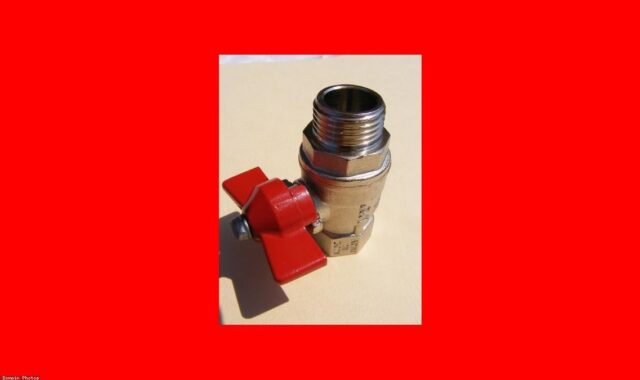
Although valves are often purchased as a separate category, they act as functional fittings within a piping system. Ball valves, gate valves, check valves, balancing valves, and pressure-reducing valves can influence system performance as much as pipe size or material.
How standards, codes, and approvals affect selection
Plumbing fittings are not judged only by appearance or nominal size. In regulated applications, the fitting must match the intended service and comply with the applicable code, product standard, and project specification. Widely referenced organizations in North America and international trade include ASME for many fitting dimensions and pressure classes, ASTM for material specifications, NSF and ANSI for drinking water health effects standards, and IAPMO or similar bodies for plumbing product listings.
For potable water, lead-content compliance is a critical screening point in the United States. Brass and bronze fittings used in drinking water systems are commonly marketed as lead-free when they are intended for that service, but the label should be checked against the applicable certification and the project jurisdiction. A fitting suitable for industrial water, air, gas, or hydronic use should not be assumed suitable for drinking water.
Threaded fittings also require attention to thread form and sealing method. In the United States, tapered pipe threads are common in many metal plumbing and mechanical applications. International projects may use different thread standards, and mixing thread forms can result in poor sealing, damaged threads, or unsafe assemblies.
The practical rule is straightforward: confirm the fitting standard, material designation, pressure and temperature rating, listing or certification, and code acceptance before installation. If the job is subject to inspection, the authority having jurisdiction and the project documents should determine what is acceptable.
Compatibility issues that can cause failures
Many fitting problems come from compatibility errors rather than obvious product defects. A fitting may be well made but still fail early if it is installed in the wrong fluid, connected to an incompatible metal, or assembled with the wrong joint method.
Corrosion and water chemistry
Water chemistry can affect copper, brass, galvanized steel, stainless steel, and other metals in different ways. Factors such as pH, dissolved oxygen, chlorides, disinfectant residuals, hardness, and flow velocity can influence corrosion risk. Stainless steel may perform well in many environments, but grade selection becomes important where chlorides are present. Brass fittings may require dezincification-resistant alloys in certain waters. See also: Buying Guides.
Galvanic interaction between metals
When dissimilar metals are connected in the presence of an electrolyte, galvanic corrosion can occur. This is a common consideration when transitioning between copper, steel, brass, stainless steel, and galvanized components. Dielectric unions, approved transition fittings, coatings, or design separation may be required depending on the system.
Pressure and temperature limits
A fitting rating is not universal. Pressure capacity can change with temperature, material, wall thickness, joining method, and gasket or seal material. A fitting used for cold water may not be acceptable for steam, high-temperature hydronic service, compressed gas, or chemical exposure. Always check the rating for the actual operating condition, not just the nominal pipe size.
Joint method and installer technique
Threaded, soldered, brazed, welded, flanged, compression, press, grooved, and no-hub connections each have different installation requirements. Poor thread engagement, overheating during soldering, incorrect press jaws, under-tightened flange bolts, damaged gaskets, or incompatible sealants can all create leaks even when the fitting itself is appropriate.
A practical checklist before specifying or buying
For procurement, design review, or field replacement, a structured checklist reduces the risk of ordering a fitting that appears correct but cannot be used.
- Identify the service: potable water, gas, drainage, hydronic, steam, compressed air, process fluid, or fire protection.
- Confirm the pipe material and size: nominal pipe size, tube size, schedule, outside diameter, or drainage pipe standard.
- Match the connection type: threaded, solder, press, grooved, flanged, welded, compression, or no-hub.
- Check material compatibility: alloy, coating, gasket, sealant, and interaction with nearby metals.
- Verify pressure and temperature ratings: use the rating for actual operating conditions, not a general catalog description.
- Review certifications and listings: potable water, gas, fire protection, or drainage applications may require specific approvals.
- Consider access and maintenance: unions, flanges, cleanouts, and valve locations should remain serviceable after walls or ceilings are closed.
- Confirm local code acceptance: requirements can differ by jurisdiction, building type, and application.
This checklist is especially important for replacement work. Older buildings may contain galvanized steel, cast iron, copper, brass, leaded components, or nonstandard repairs. Matching the visible fitting is not enough; the entire service condition should be reviewed.
Selection mistakes to avoid
The most expensive fitting problems are often avoidable. Common mistakes include using a non-potable-rated fitting in a drinking water line, mixing thread standards, installing steel fittings in corrosive wet locations without protection, choosing a fitting only by nominal size, or assuming that a metal fitting is stronger in every application than a nonmetal alternative.
Access is another frequent issue. A union, flange, or service valve may add modest upfront cost, but it can greatly simplify future repair. Conversely, placing a permanent joint where equipment may later need to be removed can create avoidable labor and downtime.
It is also important not to generalize from one project type to another. A brass compression fitting used under a sink, a grooved steel fitting in a mechanical room, and a no-hub cast iron coupling in a drainage stack are all metal plumbing fittings in a broad sense, but their approval paths and failure modes differ significantly.
Frequently asked questions
Are brass fittings safe for potable water?
Brass fittings can be used in potable water systems when they are made and certified for that purpose, including applicable lead-content requirements. The key is not the word brass by itself, but the fitting’s certification, alloy, marking, and acceptance by the local plumbing authority.
Are stainless steel fittings better than brass or copper?
Stainless steel is not automatically better; it is better for certain conditions. It can offer strong corrosion resistance and mechanical performance, but brass or copper may be more practical, economical, and easier to install in many domestic water applications. The correct choice depends on water chemistry, pressure, temperature, joining method, and code requirements.
Can metal fittings be mixed with plastic pipe?
Yes, but only with approved transition fittings and only where the piping system and local code allow it. The connection must account for pipe outside diameter, thread or adapter type, thermal movement, mechanical support, and sealing method.
What is the difference between a coupling and a union?
A coupling joins two pipe ends and is usually treated as a more permanent connection. A union also joins two pipe ends, but it is designed to be separated for service without cutting or rotating long sections of pipe. Unions are useful near equipment and valves that may need replacement.
Why do some metal fittings have different pressure ratings at different temperatures?
Metal strength, gasket behavior, sealant performance, and joint design can change as temperature rises. That is why fittings should be checked against the manufacturer’s pressure-temperature rating for the actual system, not only the room-temperature pressure value.
Final thoughts
Metal plumbing fittings are small components with large consequences. The right fitting supports safe flow, reliable sealing, serviceability, and code compliance. The wrong one can lead to leaks, corrosion, inspection delays, or premature replacement. A sound specification starts with service conditions, material compatibility, connection method, rating, certification, and local code acceptance. For industry readers comparing related components, the Metal Fittings category provides additional context across fitting materials and applications.