Brass piping and fittings explained for material selection
a[data-rs-seo-link]{text-decoration:underline!important;color:#1a56db!important;cursor:pointer!important;}a[data-rs-seo-link]{text-decoration:underline!important;color:#1a56db!important;cursor:pointer!important;}
What brass piping and fittings are used for
Brass piping and fittings are copper-zinc alloy components used in plumbing, mechanical, and light industrial systems where a metal connection needs good machinability, corrosion resistance in suitable water chemistries, and dependable threaded, soldered, compression, flare, or transition joints. Brass should not be selected only because it is perceived as durable. The correct product depends on fluid chemistry, pressure-temperature rating, potable-water rules, dezincification risk, joining method, and the standard named in the project specification.
In building systems, brass is common in nipples, adapters, unions, valves, compression fittings, and transitions between copper tube and threaded equipment. Red brass pipe is also a defined pipe product, although many modern layouts use copper tube or another pipe material with brass or bronze fittings. For related component coverage, visit our Metal Fittings section.
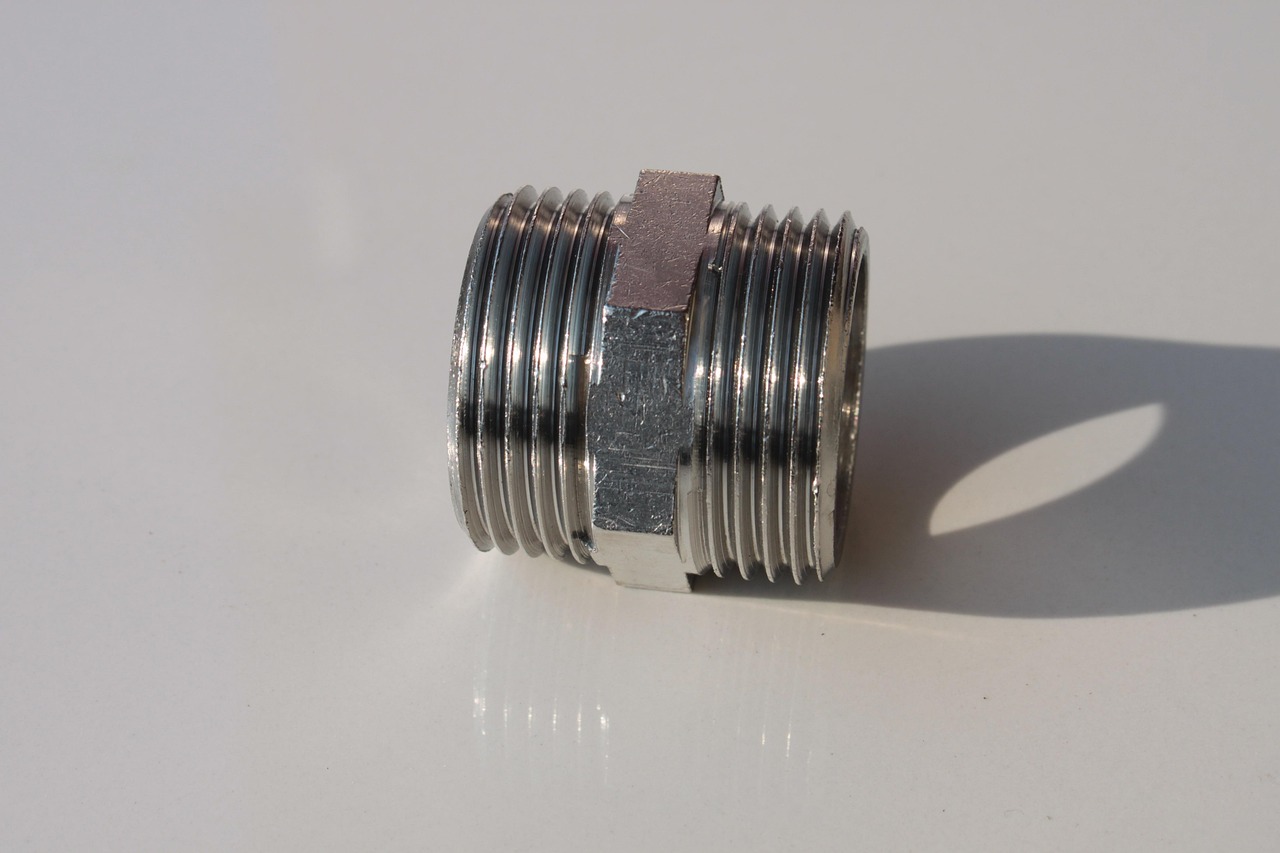
Brass pipe, brass fittings, and copper-alloy terminology
In everyday trade language, brass often refers to any yellow or reddish copper-alloy plumbing fitting. Standards and specifications are more precise. Brass is primarily a copper-zinc alloy, while bronze is usually copper alloyed with tin or other elements. Many plumbing fittings are described in standards as copper alloy, cast bronze, red brass, or wrought copper alloy rather than simply brass.
This distinction matters because a drawing note that says brass fitting can be too vague for procurement. A buyer, installer, or inspector may need to know whether the part is cast or wrought, threaded or solder-joint, intended for pressure service or drainage, and approved for potable water. The same nominal size can describe very different products.
ASTM B43 is the key reference for seamless red brass pipe in standard nominal pipe sizes. ASTM describes this pipe as Copper Alloy UNS C23000, with annealed temper suitable for plumbing, boiler feed lines, and similar purposes, and drawn general-purpose temper suitable for architectural uses such as railings. This does not mean every brass-colored pipe is ASTM B43 pipe, or that every B43 pipe is automatically acceptable for drinking water in every jurisdiction. It means the pipe has a recognized material and dimensional specification that can be checked.
Standards that commonly appear in brass fitting specifications
Good specifications avoid generic wording and identify the standard that matches the fitting form. The references below are common in North American plumbing and mechanical documents. Editions change, so project teams should verify the edition adopted by the local code, owner standard, or engineering specification before purchase.
| Reference | Typical scope | Why it matters |
|---|---|---|
| ASTM B43 | Seamless red brass pipe in nominal pipe sizes | Defines the pipe material, sizes, tempers, and tests for red brass pipe products. |
| ASME B16.15 | Cast copper alloy threaded fittings, Classes 125 and 250 | Covers ratings, dimensions, marking, threading, material quality, and pressure tests for threaded fittings. |
| ASME B16.18 | Cast copper alloy solder-joint pressure fittings | Applies to cast solder-joint fittings designed for copper water tube pressure service. |
| ASME B16.22 | Wrought copper and copper alloy solder-joint pressure fittings | Applies to wrought seamless pressure fittings joined by soldering or brazing with compatible copper tube. |
| NSF/ANSI/CAN 61 | Drinking-water system component health effects | Addresses contaminants or impurities that may be imparted to drinking water by components. |
| NSF/ANSI/CAN 372 and U.S. lead-free rules | Lead content in drinking-water components | Helps verify that wetted surfaces meet lead-content requirements for potable-water use. |
The practical point is that the application and joining method drive the standard. A threaded brass elbow, a solder-cup adapter, a press-connect fitting, and a decorative red brass pipe are not interchangeable just because they share a copper-alloy base.
Potable-water use requires more than a brass label
For drinking-water systems, lead content and health-effects certification are central concerns. Under the U.S. Safe Drinking Water Act framework described by the Environmental Protection Agency, lead-free for pipes, pipe fittings, plumbing fittings, and fixtures means not more than a weighted average of 0.25 percent lead across wetted surfaces. For solder and flux, the limit is 0.2 percent lead. The EPA has also stated that manufacturers or importers must certify covered products as meeting lead-free requirements.
This is why the label lead-free should be read carefully. It does not mean zero lead in all cases, and it does not replace the need for an appropriate certification mark or listing when the component contacts potable water. Older brass products, decorative brass hardware, industrial fittings, and general-purpose hardware-store fittings may not be suitable for drinking-water service, even if they look similar to approved plumbing parts.
NSF/ANSI/CAN 61 and NSF/ANSI/CAN 372 are frequently referenced because they address different but related issues. NSF 61 focuses on health effects from materials in contact with drinking water. NSF 372 focuses on lead content. A project specification may require one or both, depending on the component, jurisdiction, and system type. For a potable-water brass fitting, procurement language should identify the fitting standard, connection type, pressure rating, and required drinking-water listing.
How joining method changes the fitting choice
The joining method is one of the fastest ways to narrow the correct brass or copper-alloy fitting. Threaded fittings are common for transitions to valves, equipment, meters, filters, and other serviceable components. For threaded brass fittings, installers need compatible tapered threads, a sealant approved for the fluid, and controlled tightening. Over-tightening can distort threads or add stress that later contributes to cracking, especially in aggressive environments.
Solder-joint and brazed fittings rely on capillary action between the tube and fitting cup. The surfaces must be cut square, deburred, cleaned, fluxed where required, heated evenly, and joined with a filler metal suitable for the service. Potable-water work requires lead-free solder and flux. Excess heat can damage nearby valves, seals, or the metallurgical condition of the fitting, so heat control is part of installation quality rather than a cosmetic detail.
Compression, flare, and press-connect fittings add another layer of manufacturer instructions. Tube outside diameter, wall thickness, hardness, insertion depth, ferrule design, O-ring material, tool calibration, and reusability rules can all affect performance. These fittings are convenient, but they are not generic. A ferrule, nut, or press jaw designed for one system should not be assumed to fit another system unless the manufacturer and project documents allow it. See also: Buying Guides.
Corrosion and failure risks to check before specifying brass
Brass performs well in many plumbing and mechanical environments, but it is not immune to corrosion. The most discussed brass-specific risk is dezincification, a selective corrosion process in which zinc is removed from the alloy, leaving a weakened copper-rich structure. It may appear as pinkish discoloration, white deposits, reduced section thickness, leakage, or brittle fracture. Water chemistry, temperature, stagnation, chloride level, acidity or alkalinity, and alloy composition can influence the risk.
Where dezincification is a known concern, project teams often consider dezincification-resistant brass, alternative copper alloys, stainless steel, engineered polymer fittings, or a different system design. The right answer depends on local water data and service conditions; it cannot be decided by color or price alone.
Stress corrosion cracking is another risk for copper-zinc alloys under the wrong conditions. Research and corrosion guidance have long associated brass cracking with tensile stress plus certain chemical environments, especially ammonia or ammonium compounds. Residual manufacturing stress, installation stress from over-tightened threads, bending loads, or vibration can make the problem worse. Avoiding ammonia-based cleaners around susceptible brass components is a simple but often overlooked maintenance point.
Dissimilar-metal connections also deserve attention. Brass is commonly used as a transition material in copper systems, but galvanic behavior depends on the complete assembly, electrolyte, area ratio, temperature, and grounding conditions. Connections from brass to galvanized steel, carbon steel, aluminum, or stainless steel should be evaluated against the project code and corrosion plan, not treated as automatically safe or automatically unsafe.
A practical specification checklist
A clear specification for brass piping and fittings should answer more than the nominal size. Before approving a submittal or purchase order, check the following items:
- Service fluid: Identify whether the component will contact potable water, hydronic water, compressed air, fuel gas, oil, chemical solution, condensate, or another medium.
- Applicable standard: Name the correct ASTM, ASME, NSF, or code reference for the pipe or fitting type.
- Connection style: Confirm threaded, solder-joint, brazed, compression, flare, press-connect, hose barb, or another end form.
- Pressure and temperature: Verify the rating of the fitting, joint, seal, and adjacent pipe or tube. The lowest-rated part governs the assembly.
- Potable-water listing: For drinking-water contact, require the appropriate lead-free and health-effects certifications.
- Alloy and corrosion resistance: Consider DZR brass or alternative materials where water chemistry raises dezincification or cracking concerns.
- Installation controls: Include torque limits, soldering procedure, approved sealants, press tools, gasket compatibility, and inspection requirements.
- Local code acceptance: Confirm that the component is allowed by the authority having jurisdiction and by the owner’s engineering standard.
This checklist is especially useful when drawings use short notes such as brass adapter or brass nipple. Those notes may be acceptable for a small repair, but they are often too imprecise for a repeatable specification.
Frequently asked questions
Is brass safe for drinking-water fittings?
Brass can be used in drinking-water systems when the specific product is designed, listed, and certified for that service. In the United States, potable-water components must meet lead-free rules based on wetted-surface lead content, and many projects also require NSF/ANSI/CAN 61 and NSF/ANSI/CAN 372 compliance. A generic brass part without potable-water approval should not be assumed safe for drinking water.
Are brass pipe and copper tube interchangeable?
No. Red brass pipe, copper water tube, and threaded pipe fittings follow different dimensional systems and standards. A nominal pipe size does not automatically match a tube outside diameter or a solder-cup fitting. Always match the fitting to the actual pipe or tube standard and the intended joining method.
What does pink color on a brass fitting mean?
Pink or reddish areas can be a sign of dezincification, but appearance alone is not a complete diagnosis. Flux residue, surface staining, heat effects, and water deposits can also change color. If the fitting is leaking, porous, cracked, or installed in aggressive water conditions, inspection and material review are warranted.
When should another material be considered instead of brass?
Consider alternatives when the fluid contains ammonia, aggressive chlorides, unusual pH, high temperatures, or chemicals not compatible with copper-zinc alloys. Stainless steel, copper-nickel, polymer fittings, or DZR brass may be better choices depending on the system. The final decision should follow local code, manufacturer data, and engineering review.