Black metal pipe fittings guide to materials, uses, and selection

a[data-rs-seo-link]{text-decoration:underline!important;color:#1a56db!important;cursor:pointer!important;}a[data-rs-seo-link]{text-decoration:underline!important;color:#1a56db!important;cursor:pointer!important;}
What black metal pipe fittings are used for
Black metal pipe fittings are threaded or weldable fittings used to join, redirect, reduce, or close off black steel piping in systems that need durable metal connections. In purchasing and project specifications, the term often covers black malleable iron fittings, black steel nipples, elbows, tees, couplings, unions, reducers, plugs, and caps used with carbon steel pipe. Typical applications include fuel gas distribution, fire protection, mechanical rooms, compressed air, and non-potable industrial piping.
The important point is that “black” describes the ungalvanized finish. It does not identify one alloy, one manufacturing method, or one universal pressure rating. Selection should be based on the material standard, thread type, pressure class, pipe schedule, fluid, temperature, corrosion exposure, and the governing code for the project.
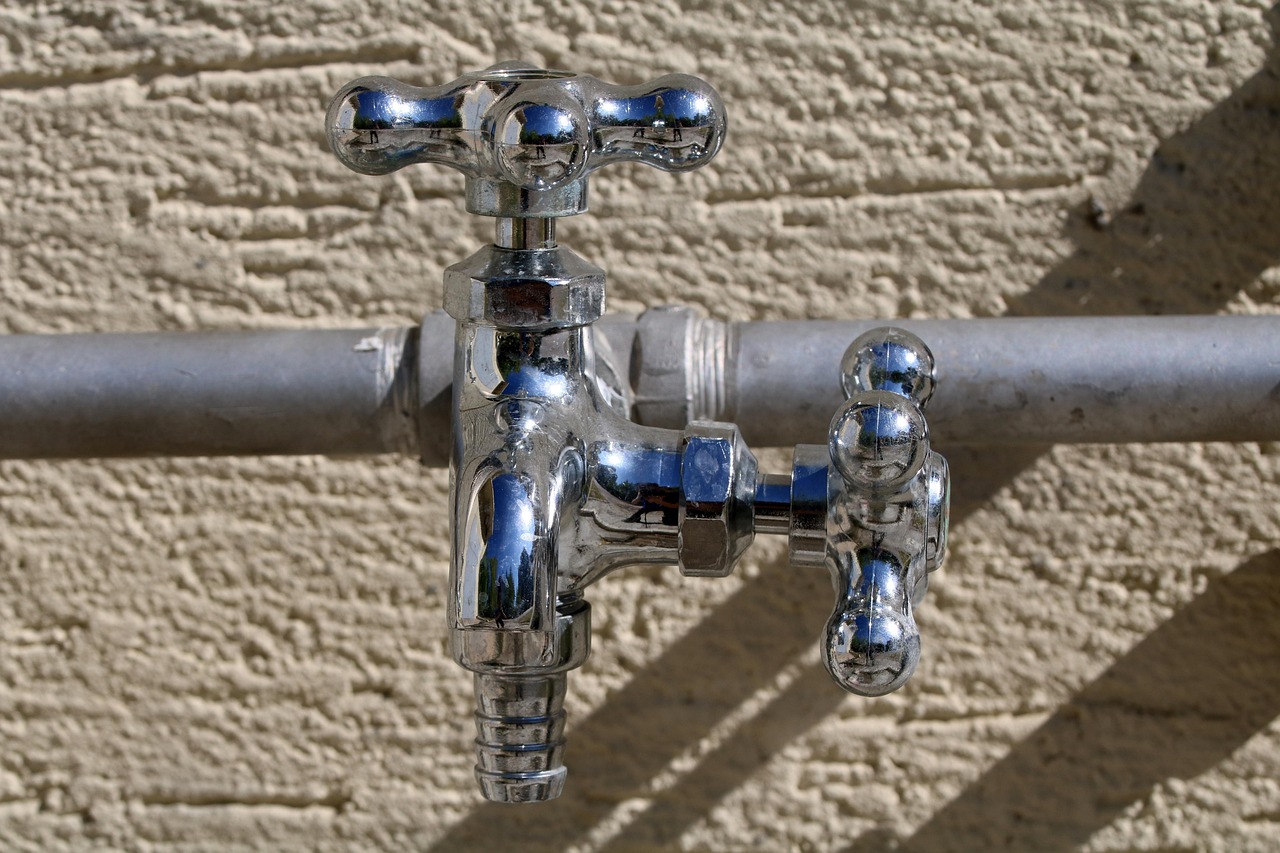
For readers comparing broader fitting types and materials, the Metal Fittings section offers related background on how metal connectors are specified across hardware and piping applications.
What “black” means in pipe and fitting terminology
In the pipe trade, black steel pipe generally means steel pipe supplied without a zinc galvanizing layer. ASTM A53/A53M, a widely referenced steel pipe specification, covers black and hot-dipped zinc-coated welded and seamless steel pipe. That distinction matters because black pipe and galvanized pipe may share similar dimensions while offering different surface protection and different suitability for corrosive service.
For fittings, the term is used in several overlapping ways. A black malleable iron elbow may be made to a malleable iron fitting standard and finished with a dark protective coating. A black steel nipple may simply be a short length of threaded steel pipe. A forged steel fitting may also have a black oxide or phosphate-style appearance. Because the visible finish does not tell the whole story, buyers should verify the fitting’s material, pressure class, dimensions, and listing rather than relying on color alone.
Black metal pipe fittings are sometimes called “black iron fittings,” even when the connected pipe is steel rather than wrought iron. This is a legacy trade expression, not a precise material description. In specifications, wording such as “black malleable iron threaded fittings, Class 150, ASME B16.3” or “carbon steel threaded fittings” reduces ambiguity.
Common materials and fitting types
Most black metal pipe fitting selections fall into a few practical categories. Each has a different role in a piping system, and substituting one for another can create thread, pressure, or code-compliance problems.
| Type | Common form | Typical use | Key specification check |
|---|---|---|---|
| Black malleable iron fittings | Elbows, tees, couplings, unions, bushings, plugs | Threaded building and industrial piping | Material grade, ASME B16.3 class, thread standard |
| Black steel nipples | Close nipples, short nipples, long nipples | Connecting valves, fittings, equipment, and pipe runs | Pipe schedule, length, NPT thread quality, steel pipe specification |
| Forged steel fittings | Threaded or socket-weld elbows, tees, couplings | Higher-pressure industrial piping where specified | Pressure class, material grade, ASME dimensional standard |
| Weld fittings | Butt-weld elbows, reducers, caps | Permanent welded pipe systems | Wall thickness, weld procedure, material compatibility |
Black malleable iron is widely used for threaded fittings because the material combines castability with improved toughness after heat treatment. ASTM A197/A197M is commonly cited for cupola malleable iron, while ASME B16.3 covers malleable iron threaded fittings in Classes 150 and 300. For tapered pipe threads, ASME B1.20.1 is the common reference for general-purpose inch pipe threads, including NPT. These references do not replace project specifications, but they explain why fitting markings and documentation matter more than appearance.
Where black metal pipe fittings are commonly specified
Fuel gas piping
Black steel pipe and compatible threaded fittings are widely used for natural gas and propane distribution in buildings. The International Fuel Gas Code and local fuel gas rules govern allowed materials, joining methods, support, protection from damage, pressure testing, and corrosion protection. In this application, the installer must follow the adopted local code and the authority having jurisdiction. A fitting that is dimensionally correct can still be unacceptable if it lacks the required listing, rating, or installation method for the system.
Fire protection systems
Steel pipe and metal fittings are also common in sprinkler and standpipe systems, where NFPA standards and project specifications control material choice. Black steel has a long history in wet fire sprinkler work, while galvanized, stainless, and internally coated options may be considered in some corrosion-sensitive designs. Corrosion behavior depends on oxygen, trapped water, microbiological activity, drainage, and system maintenance, so material selection should be part of the fire protection design rather than a simple color choice.
Mechanical and industrial piping
In mechanical rooms and industrial facilities, black metal pipe fittings may be used for compressed air, oil, inert gas, process utilities, hydronic heating, and other non-potable services. The question is not only whether the fitting is “black,” but whether its material, pressure-temperature rating, joint type, and corrosion resistance match the fluid and operating conditions. Compressed air systems, for example, need attention to moisture, condensate, vibration, and thread sealing. Hydronic systems require attention to oxygen ingress and water treatment.
Furniture, shelving, and decorative fabrication
Black pipe fittings are also used in furniture, display racks, handrail-style decor, and shelving. These projects usually value the dark industrial appearance and modular threaded assembly. Decorative use should not be confused with structural engineering, however. Loads, wall anchoring, torque, surface oils, burrs, and finish transfer still matter, especially where people may lean on, climb, or hang items from the assembly.
How black fittings compare with galvanized and stainless options
Black, galvanized, and stainless fittings can look like simple alternatives, but they solve different problems. Black fittings are usually selected for strength, heat tolerance, availability, and compatibility with black steel pipe. They are not selected for long-term resistance to outdoor weather or corrosive water unless the system design includes suitable coating, painting, environmental control, or maintenance.
Galvanized fittings have a zinc layer intended to slow corrosion in certain atmospheric and water-related exposures. That coating can be useful in some applications, but it also affects welding, cutting, and other high-temperature work. OSHA safety materials identify zinc-containing coatings as a potential source of hazardous fumes during hot work, so fabrication and repair procedures must account for ventilation, respiratory protection, and coating removal where required.
Stainless steel fittings are often considered where corrosion resistance, cleanliness, or lifecycle cost is more important than initial material cost. Stainless is not automatically better for every system, because grade selection, chloride exposure, galvanic compatibility, and installation practice still matter. The practical comparison is application-specific: black metal fittings may be economical and code-familiar for many dry or controlled environments, galvanized may help in selected exposure conditions, and stainless may be justified where corrosion risk dominates. See also: Buying Guides.
| Option | Main advantage | Main limitation | Typical decision factor |
|---|---|---|---|
| Black metal fittings | Strong, common, compatible with black steel piping | Limited corrosion resistance without protection | Code-approved use in gas, mechanical, or fire systems |
| Galvanized fittings | Zinc coating helps in selected exposures | Hot work on zinc coatings requires safety controls | Corrosion exposure and code acceptance |
| Stainless fittings | Higher corrosion resistance in many environments | Higher cost and grade-specific limits | Lifecycle cost, fluid compatibility, hygiene, or harsh exposure |
Selection checklist for black metal pipe fittings
A reliable specification starts with the system, not the fitting catalog. Before choosing a black elbow, tee, coupling, or union, define the service conditions and the governing standard. The following checklist helps prevent common mismatches.
- Confirm the application. Fuel gas, fire protection, compressed air, hydronic service, and decorative assemblies have different requirements.
- Verify the governing code. Local code, project specifications, and the authority having jurisdiction can override general product familiarity.
- Match the material. Check whether the fitting is malleable iron, cast iron, forged steel, or carbon steel, and confirm the relevant material standard.
- Match the thread. In North American threaded systems, NPT threads are common, but thread form and sealing method must be verified.
- Check pressure class and temperature range. A Class 150 fitting is not interchangeable with every pressure or temperature condition.
- Match pipe size and schedule. Nominal pipe size does not equal actual outside diameter, and wall thickness affects system rating and threading.
- Assess corrosion exposure. Outdoor weather, soil, condensation, chemical vapors, and oxygenated water can change the material choice.
- Plan the joint sealant. Pipe dope, PTFE tape, anaerobic sealants, and listed gas-rated sealants each have compatibility limits.
- Inspect threads and coatings. Damaged threads, heavy burrs, cracked coatings, and contaminated sealing surfaces can cause leaks or assembly problems.
- Keep documentation. Submittals, markings, mill certificates, listings, and manufacturer data help demonstrate compliance when required.
For industrial buyers, it is also useful to separate commodity fittings from engineered piping components. A fitting used in a low-pressure shop air line may not need the same documentation as one used in a regulated fuel gas or fire protection system, but both still require proper assembly and inspection.
Installation and maintenance limits to consider
Threaded black metal fittings rely on proper engagement, clean threads, compatible sealant, and controlled tightening. Over-tightening can crack fittings or distort threads. Under-tightening can leave insufficient thread engagement and increase leakage risk. Installers should use appropriate pipe wrenches, support the piping to avoid bending loads at joints, and avoid forcing misaligned pipe into a fitting.
Corrosion is the most common long-term limitation. Black fittings exposed to moisture can rust, especially at threads where the metal surface is cut and coating coverage is reduced. In aboveground installations, paint, coating, drainage, and inspection can help manage exposure. In buried or highly corrosive settings, black steel components typically require approved protection or a different material strategy. For water systems, rust scale can reduce flow and release debris, so black steel is generally not chosen for potable water distribution in modern specifications.
Maintenance should focus on visible rust, leakage, loose supports, mechanical damage, vibration, coating failure, and changes in service conditions. A system originally intended for dry gas or air may face very different risks if water, condensate, or chemical exposure is introduced. When a regulated system is involved, repairs should be performed by qualified personnel under applicable code and permit requirements.
Frequently asked questions
Are black metal pipe fittings the same as black iron fittings?
In everyday trade language, the terms are often used together. Technically, however, “black iron” can be imprecise. Many systems use black steel pipe with black malleable iron or steel fittings. The safer approach is to identify the actual material, pressure class, thread type, and standard.
Can black metal pipe fittings be used for natural gas?
They are commonly used in fuel gas piping where the adopted code and product rating allow them. The installation must still meet local gas code requirements for materials, joining, support, protection, pressure testing, and inspection.
Are black fittings suitable for outdoor use?
They can rust outdoors if they are not protected. Some outdoor installations use coatings, paint, wraps, galvanized components, or alternative materials depending on exposure and code. The correct choice depends on moisture, weather, chemicals, and inspection access.
Can black and galvanized fittings be mixed?
Mixing may be allowed in some systems and restricted or discouraged in others. The decision should consider code rules, galvanic conditions, corrosion exposure, coating damage, and the fluid being carried. Project specifications should be followed rather than relying on appearance.
What information should be checked before buying black metal pipe fittings?
Check nominal pipe size, thread type, pressure class, material, standard, finish, service temperature, fluid compatibility, and code acceptance. For regulated systems, also check listings, manufacturer documentation, and local inspection requirements.
Practical takeaway
Black metal pipe fittings are useful because they are strong, widely available, and compatible with many threaded steel piping systems. Their limits are just as important: the black finish is not a substitute for corrosion protection, and the term does not define a universal material or rating. A good specification names the material, standard, pressure class, thread form, service conditions, and code requirements. That approach helps buyers and installers choose fittings for the actual system rather than relying on a broad trade name.