How clip fasteners work in panels, shafts and assembly design
a[data-rs-seo-link]{text-decoration:underline!important;color:#1a56db!important;cursor:pointer!important;}a[data-rs-seo-link]{text-decoration:underline!important;color:#1a56db!important;cursor:pointer!important;}
Clip fasteners are small parts with a large design impact
Clip fasteners are non-threaded or semi-threaded fastening parts that hold components through spring force, geometry, interference, a groove, a panel edge or a molded feature. They are common in sheet-metal assemblies, automotive trim, electrical routing, appliance panels, machinery guards, and shaft or bore retention. The design issue is not simply whether a part can be called a clip. It is whether that clip matches the joint. A spring steel panel clip, a plastic push rivet, an E-clip and an internal retaining ring may all be described as clip fasteners, but they solve different problems. Sound selection depends on load direction, installation method, base material, corrosion exposure, service temperature, removal needs and tolerance variation in the mating parts.
Clips are attractive because they can reduce loose hardware, speed assembly and work where access for a nut, washer or threaded hole is limited. That simplicity can also hide risk. A clip chosen only by head shape or nominal size may rattle, relax, crack, corrode or damage the panel it is meant to protect. For related fastening topics, see the Fasteners section.
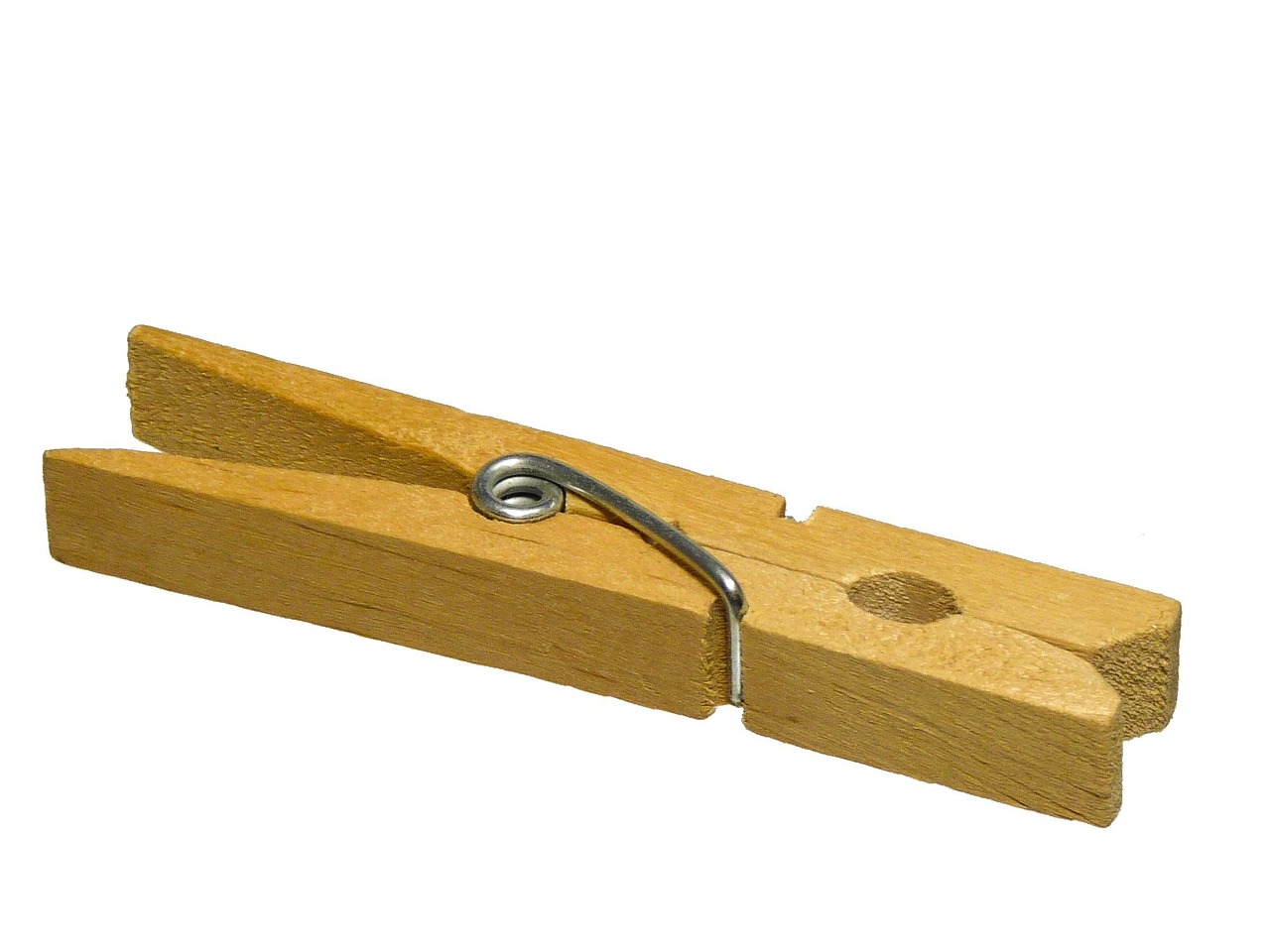
What counts as a clip fastener?
The term clip fastener is used in several overlapping ways. In industrial catalogs, it may refer to stamped spring clips, wire clips, panel retainers, U-nuts, cage nuts, cable clips, circlips, E-clips, push-on retainers or plastic trim clips. The common feature is that retention comes mainly from the shape and resilience of the fastener, rather than from tightening a conventional threaded joint.
A practical way to classify clips is by what they grip or retain:
- Panel and edge clips attach to sheet metal, plastic panels or flanges. They may hold trim, covers, brackets or secondary components.
- Push-in clips and plastic rivets expand or deform inside a hole to hold liners, shields, trims or light covers.
- Shaft and bore retaining clips sit in grooves or on shafts to limit axial movement of bearings, wheels, pins or small rotating parts.
- Wire, hose and cable clips route flexible parts and keep them away from hot, sharp or moving surfaces.
- Clip nuts and spring nuts combine a clip body with a thread-bearing feature so a screw can be installed without a separately handled nut.
This distinction matters. A clip designed to position a cable is not normally a substitute for a retaining ring used to locate a bearing. Likewise, a plastic trim retainer that works well in an interior panel may not survive under-hood heat or repeated removal.
Common types and where they are used
The table below summarizes typical clip fastener families and the design questions that usually determine their use. Exact capacity must always come from the part drawing, supplier data or test requirement, because clip strength varies significantly with geometry, material and installation condition.
| Clip fastener type | Typical use | Key design questions |
|---|---|---|
| Spring panel clip | Attaching trim, panels, covers and light brackets | Panel thickness, insertion force, retention force, corrosion exposure and removability |
| U-clip or clip nut | Creating a screw point on sheet metal or plastic | Screw size, thread engagement, edge distance, panel damage and service access |
| Plastic push rivet | Wheel liners, shields, interior panels and light covers | Hole diameter, grip range, temperature, UV exposure, impact and removal method |
| E-clip | Radial installation on small shafts and pins | Shaft diameter, groove geometry, side load, assembly access and risk of spring-off |
| Internal or external retaining ring | Axial retention in bores or on shafts | Groove dimensions, thrust load, edge margin, material hardness and installation tooling |
| Wire or hose clip | Routing harnesses, tubes and hoses | Bundle diameter, abrasion risk, vibration, heat, chemical exposure and service movement |
For shaft and bore applications, standardized retaining rings are often referenced rather than described generically. ASME B18.27 covers inch-series tapered and reduced cross-section retaining rings, while DIN 471 is associated with external retaining rings for shafts and DIN 472 with internal retaining rings for bores. DIN 6799 is commonly used for E-clips on grooved shafts. These standards help define dimensions and terminology, but they do not remove the need to check loads, groove condition and assembly method.
Material choice is more than metal versus plastic
Material selection is one of the biggest differences between clip fasteners and many ordinary bolts. A bolt may be specified mainly by diameter, thread and strength class. A clip depends on controlled elastic behavior. If the material is too soft, the clip may not retain its shape. If it is too brittle, it may crack during installation or removal. If it is poorly matched to the environment, corrosion or aging may reduce retention before the assembly reaches its expected service life.
Spring steel and carbon steel clips
Stamped metal clips often use carbon steel or spring steel where high spring force and economical production are required. Spring steel can provide strong elastic recovery, making it useful for panel clips, retaining clips and many electrical or mechanical fixing systems. The limitation is corrosion resistance. Plain carbon steel clips usually need oil, zinc plating, phosphate, paint, e-coat or another protective finish when exposed to humidity, road splash or outdoor conditions.
Stainless steel clips
Stainless steel is often considered when corrosion resistance matters, especially in food equipment, outdoor equipment, marine-adjacent environments or damp industrial spaces. It should not be treated as a universal upgrade. Stainless grades differ in strength, formability, magnetic behavior and corrosion resistance. In a spring clip, the available stainless grade must also provide the required spring properties after forming and heat treatment. When stainless clips contact aluminum, zinc-coated steel or other dissimilar metals in the presence of an electrolyte, galvanic corrosion should also be reviewed.
Plastic clips
Plastic clip fasteners are widely used where low weight, electrical insulation, panel protection and quick push-in assembly are priorities. Polyamide materials such as PA6 and PA66 are common in automotive and electrical clip applications because they balance toughness and stiffness. Polypropylene may be used where low density, chemical resistance and cost are important. Acetal and other engineering plastics may be selected for dimensional stability or wear behavior.
The main caution is that plastics are sensitive to temperature, UV, chemicals, moisture and long-term creep. Polyamide, often called nylon, can absorb moisture, which changes stiffness, toughness and dimensions. Material producers and automotive component suppliers frequently note that PA66 properties differ between dry-as-molded and conditioned states. For a clip that must hold a panel quietly for years, that difference is not a small detail.
Fit, load direction and tolerance control decide performance
Most clip failures begin before corrosion or aging. They begin when the clip is specified without enough information about the joint. A reliable specification should describe the mating part, not only the clip. For a panel clip, that means panel thickness, hole size, edge radius, coating thickness and allowable insertion force. For a retaining ring, it means shaft or bore diameter, groove width, groove diameter, shoulder condition and the axial load case. For a cable clip, it means bundle diameter, movement, temperature and abrasion risk.
Load direction is especially important. Many clip fasteners are strong in the intended retention direction but weak in peel, twist or off-axis pull. A push rivet that resists straight pull-out may loosen under repeated side loading. A spring clip that grips a panel edge may work well in shear but release if the attached cover is peeled from one corner. A retaining ring can be appropriate for axial positioning, but it may not be designed to carry continuous heavy thrust unless the groove, ring type and surrounding components are sized for it.
Tolerance stack-up also deserves attention. Sheet thickness, molded hole shrinkage, plating thickness and paint build can all change the final fit. A clip that is easy to install in a prototype may be too loose in production if the mating panel shifts toward the lower end of its tolerance. Conversely, a clip that barely fits a nominal sample may crack parts or slow assembly when production parts come in at maximum material condition.
Corrosion, coating and environmental exposure
Clip fasteners often sit in locations where inspection is difficult. Wheel wells, underbody shields, machine covers and electrical cabinets can trap moisture and debris. For metal clips, corrosion can reduce section thickness, increase friction during removal, stain visible surfaces and reduce spring function. For plastic clips, heat aging, UV exposure, fluids and stress cracking can be more important than rust. See also: Buying Guides.
Common corrosion controls include zinc plating, zinc-nickel, phosphate and oil, organic coatings, e-coat, stainless steel and material substitution to plastic. Salt spray standards such as ISO 9227 and ASTM B117 are often used to compare coating quality, but they should not be read as direct predictions of real outdoor life. ISO guidance notes that salt spray results may not provide a reliable comparison of long-term behavior between different coating systems because laboratory corrosion stress differs from service exposure. For automotive-related parts, cyclic corrosion methods such as SAE J2334 may be referenced because they better represent wet-dry cycling than continuous salt fog in some evaluation programs.
Galvanic compatibility is another issue. A small stainless clip on a large aluminum panel can behave differently from a zinc-coated steel clip in the same location. The surrounding metal area, electrolyte, coating damage and drainage conditions all influence risk. In practice, the finish choice should be reviewed with the base material and environment, not selected from a generic ranking of corrosion resistance.
Installation and serviceability should be specified early
Clip fasteners are often chosen to make assembly faster, but the installation method can create hidden quality problems. Manual installation, pneumatic tools, robotic insertion and service removal all impose different requirements. A clip that feels secure when installed slowly by hand may buckle or scratch the panel when installed with higher-speed tooling. A retaining ring installed with the wrong pliers can be overstressed. A plastic clip removed with a screwdriver instead of a trim tool may break even if it performed correctly during service.
Installation force and retention force should be treated as separate requirements. Low insertion force improves assembly speed and ergonomics, but retention must remain high enough for vibration, handling and service loads. If the clip is intended to be removed, the design should define whether it is reusable, limited-use or single-use. Many plastic trim clips are inexpensive enough to replace during service, while a spring steel clip in equipment may be expected to tolerate repeated access cycles.
Noise control is another practical factor. In vehicle interiors, appliances and equipment covers, a clip that technically retains a panel may still be unacceptable if it allows buzz, squeak or rattle. Anti-rattle features, foam pads, controlled preload and better tolerance matching may matter more than increasing nominal pull-out force.
A practical checklist for specifying clip fasteners
Because the word clip covers many unrelated designs, a clear specification prevents costly ambiguity. A good purchasing note or engineering drawing should answer the following questions:
- What is the clip fastener type and intended function?
- What component does it grip, locate, retain or route?
- What are the relevant mating dimensions, including tolerances and coating thickness?
- What material and finish are required, and why?
- What loads act on the clip, and in which directions?
- Is the clip expected to be removable or reusable?
- What installation tool, direction and force range are acceptable?
- What temperature, moisture, chemical, UV or salt exposure applies?
- Is a recognized standard such as ASME B18.27, DIN 471, DIN 472 or DIN 6799 relevant?
- What inspection method confirms correct seating after assembly?
This checklist is also useful when replacing an unavailable clip. Measuring only the visible head, flange or free length is not enough. The hidden leg geometry, groove engagement, material condition and spring force may be the features that make the original part work.
Frequently asked questions
Are clip fasteners the same as retaining rings?
Not always. Retaining rings are a specific group of clip-like fasteners used to control axial movement on shafts or inside bores. They may be called circlips, snap rings or E-clips depending on shape and installation method. Clip fasteners is a broader term that also includes panel clips, wire clips, plastic push rivets and clip nuts.
Can a plastic clip replace a metal clip?
Sometimes, but the decision should be based on load, temperature, chemical exposure, stiffness, installation force and expected life. Plastic can reduce weight, corrosion and scratching, but it may creep, absorb moisture, age under heat or become brittle under certain conditions. A direct substitution without testing can change the retention behavior of the joint.
Why do clip fasteners loosen over time?
Common causes include panel tolerance variation, vibration, creep in plastic parts, loss of spring force, corrosion, coating wear, thermal cycling and installation damage. Loosening is often a joint design issue rather than a simple sign that the clip was too small.
What information is needed to choose the right clip fastener?
At minimum, define the application, mating material, hole or groove dimensions, panel thickness, load direction, environment, installation method and service requirements. For critical assemblies, supplier data, engineering standards and validation testing should support the final choice.
Are salt spray hours enough to compare metal clip finishes?
Salt spray results can help check coating consistency, but they are not a complete prediction of real service life. Field exposure, drainage, wet-dry cycles, dissimilar metals, coating damage and temperature can all change corrosion behavior. For demanding applications, salt spray data should be combined with application-specific testing and material review.
The main takeaway
Clip fasteners are efficient because they combine fastening function with spring action, geometry and fast assembly. That efficiency is also why they must be specified carefully. The right clip is not just the one that fits the hole or looks like the sample. It is the one whose material, finish, geometry, load path and installation method match the assembly. For panels, shafts, wiring and small mechanisms, careful clip selection can reduce hardware count and assembly time. Poor selection can create rattles, broken retainers, corrosion failures or difficult service. Treating clip fasteners as engineered components, rather than minor accessories, is the simplest way to avoid those problems.