Steel fasteners explained for reliable material selection
a[data-rs-seo-link]{text-decoration:underline!important;color:#1a56db!important;cursor:pointer!important;}a[data-rs-seo-link]{text-decoration:underline!important;color:#1a56db!important;cursor:pointer!important;}
Steel fasteners are used across industrial and construction work because they offer a practical balance of strength, manufacturability, cost efficiency, and standards coverage. Selecting a bolt, screw, nut, washer, or threaded rod is not only a sizing exercise. The correct choice also depends on material grade, heat treatment, coating, joint design, service environment, and the standard named in the drawing or specification. For buyers, engineers, and maintenance teams, the aim is to match the fastener to the load, corrosion exposure, assembly method, and inspection requirements without overspecifying the part or creating hidden failure risks.
This guide explains how steel fasteners are classified, where common standards fit, and what should be checked before a steel fastener is approved for use. For related category information, see the Fasteners section.
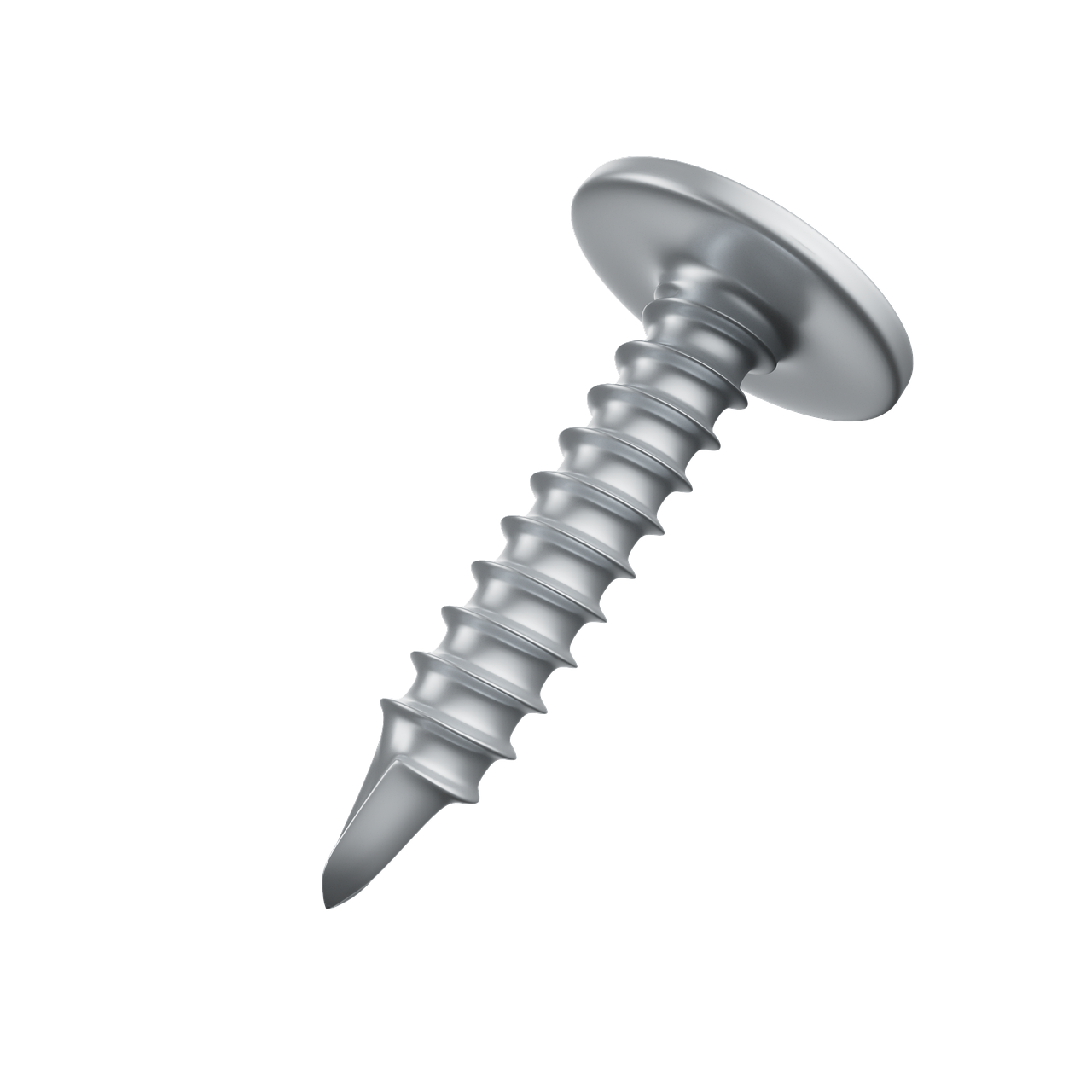
What steel fasteners include
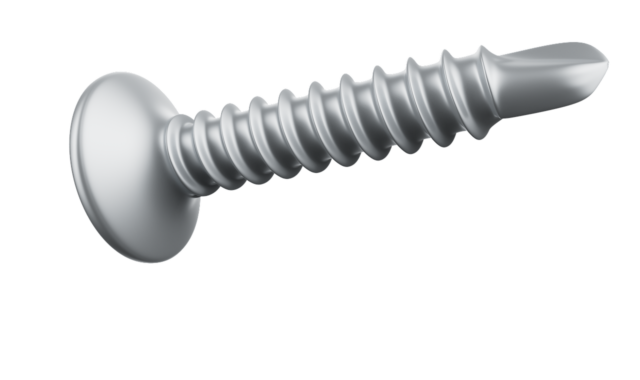
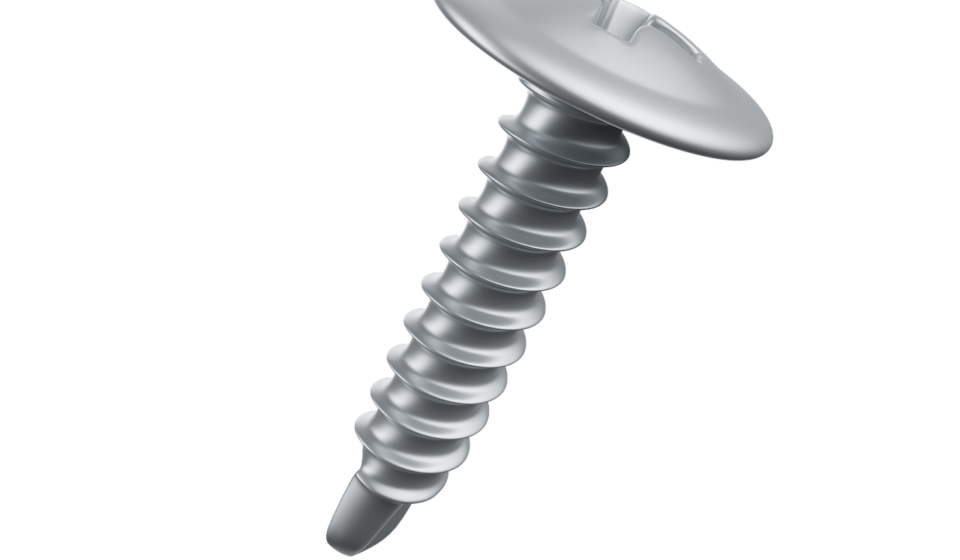
The term steel fasteners covers a large family of mechanical joining products made from carbon steel, alloy steel, stainless steel, or specialized steel grades. Common examples include hex bolts, socket screws, machine screws, self-tapping screws, studs, threaded rods, nuts, washers, rivets, and structural bolting assemblies. These parts hold components together, but the engineering requirement is broader: the fastener must carry load, maintain clamp force, resist loosening, and survive the operating environment.
Steel remains a dominant fastener material because it can be produced in many strength levels and shapes. Low-carbon steel may be suitable for light-duty assemblies, while quenched and tempered alloy steel is used where higher tensile strength is required. Stainless steel fasteners are selected when corrosion resistance is more important than maximum strength. In many industrial specifications, the word “steel” is not enough; the exact grade, property class, coating, thread form, and applicable standard must be defined.
Material type is the first selection decision
A useful way to compare steel fasteners is to separate the base material from the surface finish. The base material provides the core mechanical properties. The finish mainly affects corrosion protection, friction during assembly, appearance, and compatibility with the mating material.
Carbon steel fasteners
Carbon steel fasteners are common in general manufacturing, furniture, machinery, electrical equipment, and light construction. They are economical and relatively easy to form, machine, and thread. Low-carbon grades are usually used for lower-strength applications, while medium-carbon steel may be heat treated to reach higher strength levels. If carbon steel is exposed to moisture or chemicals, it normally needs a protective coating such as zinc plating, mechanical galvanizing, or hot-dip galvanizing.
Alloy steel fasteners
Alloy steel fasteners use controlled additions of elements such as chromium, molybdenum, nickel, or boron to improve hardenability and strength after heat treatment. They are commonly used in machinery, automotive assemblies, equipment frames, pressure-related components, and heavy-duty joints. Higher strength is useful, but it also requires tighter control of installation torque, lubrication, washer selection, and hydrogen embrittlement risk after certain plating processes.
Stainless steel fasteners
Stainless steel fasteners are chosen primarily for corrosion resistance, cleanliness, and appearance. Austenitic stainless steels such as 304 and 316 are widely used in food equipment, architectural hardware, marine-adjacent environments, and chemical processing support structures. Stainless steel is not automatically stronger than carbon or alloy steel; many stainless fasteners have lower yield strength than high-strength alloy bolts. Galling can also occur when stainless threads are tightened under pressure without suitable lubrication or thread design.
Standards help define performance and interchangeability
Steel fasteners are small parts with large consequences, so standards matter. A standard can define dimensions, thread tolerances, mechanical properties, materials, testing, marking, and sometimes installation requirements. Standards do not replace engineering judgment, but they reduce ambiguity between the designer, buyer, distributor, manufacturer, and inspector.
For metric steel bolts, screws, and studs, ISO 898-1:2013 is a widely referenced standard for mechanical and physical properties of carbon steel and alloy steel fasteners tested at ambient temperature. For inch-series products in North American practice, ASME B18 standards cover many dimensional requirements for bolts, nuts, screws, washers, and related products. For structural applications, ASTM F3125/F3125M-23 covers high-strength structural bolts and assemblies made from steel and alloy steel, while ASME B18.2.6 addresses dimensional data for several structural fastener products. These source standards should be checked directly when a project requires formal compliance.
| Selection factor | Why it matters | Common check |
|---|---|---|
| Strength grade or property class | Determines load capacity and tightening limits | Match drawing, standard, and joint calculation |
| Thread type and tolerance | Affects fit, assembly, and load transfer | Confirm metric or inch series, pitch, and class of fit |
| Coating or finish | Controls corrosion resistance and installation friction | Check coating thickness, compatibility, and torque effect |
| Heat treatment | Influences hardness, strength, and brittleness risk | Review grade requirements and test certificates when needed |
| Service environment | Drives corrosion, temperature, and chemical exposure risks | Identify indoor, outdoor, marine, chemical, or high-temperature use |
Strength grade is not the whole story
It is tempting to choose the strongest available fastener, but higher strength is not always better. A joint designed for a lower-strength bolt may not benefit from a stronger replacement if the mating material, hole geometry, washer bearing area, or tightening method is unchanged. In some assemblies, a very hard fastener can transfer damage to softer components or make the joint less forgiving under vibration and shock.
Strength markings also vary by system. Metric property classes such as 8.8, 10.9, and 12.9 are not the same as inch-series grades such as SAE Grade 5, SAE Grade 8, or ASTM structural bolt grades. They should not be treated as direct visual equivalents. The safer approach is to follow the drawing or specification and verify the named standard, not just the head marking.
Clamp force is another reason to look beyond tensile strength. A bolted joint usually works by clamping parts together. If tightening is too low, the joint may loosen or slip. If tightening is too high, the fastener can yield, threads can strip, or the clamped material can crush. Torque tables are useful starting points, but actual clamp load depends on lubrication, coating, thread condition, washer condition, and tool accuracy.
Coatings affect corrosion protection and assembly behavior
Coating choice is one of the most important differences between similar-looking steel fasteners. Zinc electroplating is common for indoor or mildly corrosive environments, but it may not provide enough protection for long-term outdoor exposure. Hot-dip galvanizing provides thicker zinc protection and is often used for outdoor steelwork, but the coating thickness can affect thread fit and may require matching nuts and bolts designed for that system. Black oxide offers limited corrosion resistance and is often used where appearance or light oil retention is the main concern.
Coatings can also change the relationship between tightening torque and clamp load. A lubricated zinc flake coating, for example, may produce a different clamp load than plain steel at the same torque value. This is why critical assemblies should not mix coatings casually. When a standard, assembly procedure, or supplier documentation specifies a finish, that finish should be treated as part of the fastener’s performance, not as a cosmetic detail. See also: Buying Guides.
Hydrogen embrittlement is another issue for high-strength steel fasteners. Some cleaning, pickling, and electroplating processes can introduce hydrogen into steel. If the fastener is sufficiently hard and stressed, delayed cracking can occur. The risk is managed through material limits, process controls, baking procedures, and suitable coating selection. For safety-critical or high-strength applications, buyers should confirm the relevant standard and supplier controls instead of assuming all plated fasteners are interchangeable.
Common failure modes to prevent
Most steel fastener problems are not caused by the steel alone. They usually result from a mismatch between the fastener, joint design, environment, and installation process. Understanding the common failure modes helps narrow the specification.
- Thread stripping: often caused by insufficient thread engagement, soft mating material, damaged threads, or over-tightening.
- Fatigue cracking: associated with cyclic loads, poor preload control, sharp transitions, or bending in the fastener.
- Corrosion loss: caused by an unsuitable coating, exposure to salts or chemicals, trapped moisture, or galvanic interaction with other metals.
- Loosening: linked to vibration, settlement of joint surfaces, insufficient clamp force, or missing locking features where they are needed.
- Galling: common in stainless steel threaded assemblies when friction and adhesion damage the threads during tightening.
- Delayed cracking: a concern for certain high-strength fasteners when material hardness, tensile stress, and hydrogen exposure combine.
The best prevention method is not a single product feature. It is a complete specification: correct grade, compatible nut and washer, suitable coating, verified thread fit, controlled tightening, and inspection where the joint is important.
How to specify steel fasteners clearly
A clear fastener specification reduces purchasing errors and helps prevent substitutions that look acceptable but perform differently. A useful specification should identify the product type, nominal diameter, thread pitch, length, head style, drive style if applicable, material grade or property class, coating, standard, and any testing or certification requirement. For assemblies, it should also name the nut, washer, lubricant, and tightening method when those details affect performance.
For example, “M12 bolt” is not a complete specification. A more useful description would identify the head type, thread pitch, property class, length, finish, and applicable standard. In structural work, the specification should name the structural bolt standard and the compatible nut and washer requirements. In stainless applications, it should define the stainless grade and consider galling prevention during installation.
Procurement teams should be careful with substitutions. A fastener with the same diameter and length may not be equivalent if the material, coating, heat treatment, or thread tolerance is different. When drawings reference a specific standard, the current project documents should define which edition applies. If the edition is not stated, the responsible engineer or project authority should confirm it before purchasing or installation.
Frequently asked questions
Are steel fasteners the same as stainless steel fasteners?
No. Stainless steel fasteners are a category of steel fasteners, but not all steel fasteners are stainless. Carbon steel and alloy steel fasteners are often selected for strength and cost efficiency, while stainless fasteners are selected mainly for corrosion resistance and appearance. The right choice depends on load, environment, and installation requirements.
Can a higher-strength fastener replace a lower-strength one?
Not automatically. A higher-strength fastener may require different torque, washers, mating threads, or joint design. It may also be less suitable where ductility, vibration behavior, or galvanic compatibility matters. Any strength upgrade should be checked against the original design intent and applicable standards.
Which coating is best for outdoor steel fasteners?
There is no universal best coating. Hot-dip galvanizing is common for outdoor steelwork because it provides relatively thick zinc protection, while other coatings may be suitable for moderate exposure, controlled friction, or appearance. The environment, expected service life, thread fit, and tightening method should guide the coating choice.
Why do fastener standards matter?
Standards define the details that make fasteners reliable and interchangeable, including dimensions, mechanical properties, tolerances, tests, and markings. Without a standard, two fasteners that look alike may differ in strength, thread fit, coating thickness, or inspection requirements.
What information should be checked before ordering steel fasteners?
Check the product type, size, thread, length, grade or property class, coating, applicable standard, quantity, packaging, and certification needs. For critical joints, also confirm the matching nut, washer, lubrication condition, installation method, and inspection requirement before ordering.
Practical takeaway
Steel fasteners are reliable when the specification matches the joint. The key decisions are material type, strength level, coating, standard, and installation method. A strong fastener can still fail if it is installed with the wrong torque, paired with an incompatible nut, exposed to the wrong environment, or substituted without engineering review. For general industrial content and related articles, see the Fasteners category.