Plastic fasteners explained for material selection and assembly design
a[data-rs-seo-link]{text-decoration:underline!important;color:#1a56db!important;cursor:pointer!important;}a[data-rs-seo-link]{text-decoration:underline!important;color:#1a56db!important;cursor:pointer!important;}
What plastic fasteners are and when they fit
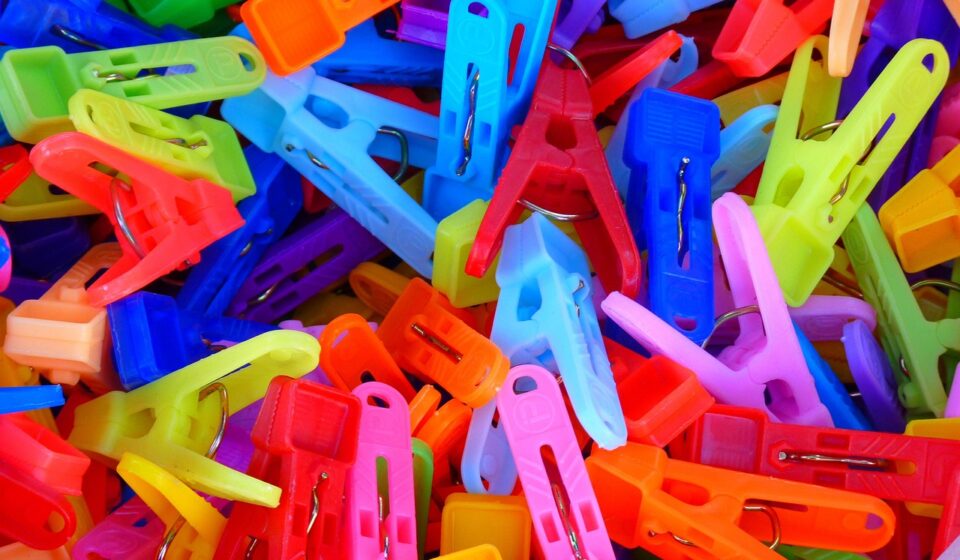
Plastic fasteners are non-metallic screws, nuts, washers, spacers, rivets, clips, cable ties and panel retainers made from engineering polymers rather than steel, stainless steel, brass or aluminum. They are useful when an assembly needs corrosion resistance, electrical insulation, lower weight, non-marring contact or fast installation. They should not be specified as automatic replacements for metal fasteners where the joint depends on high clamp load, sustained tension, elevated temperature performance or certified fire behavior. A reliable specification starts with the function of the joint, then checks load, temperature, chemicals, ultraviolet exposure, moisture, flame rating and assembly method. For broader hardware context, see the Fasteners section.
The main advantage of plastic fasteners is not that they are universally stronger or cheaper. Their value is selective. They solve problems that metal fasteners may create, including galvanic corrosion, electrical conductivity, excess weight, scratching of finished surfaces and chemical attack in certain environments. The trade-off is that polymers generally have lower stiffness, lower tensile strength and greater creep than metals. For this reason, the key question is not simply which plastic fastener is strongest, but which material and geometry will remain stable under the intended service conditions.
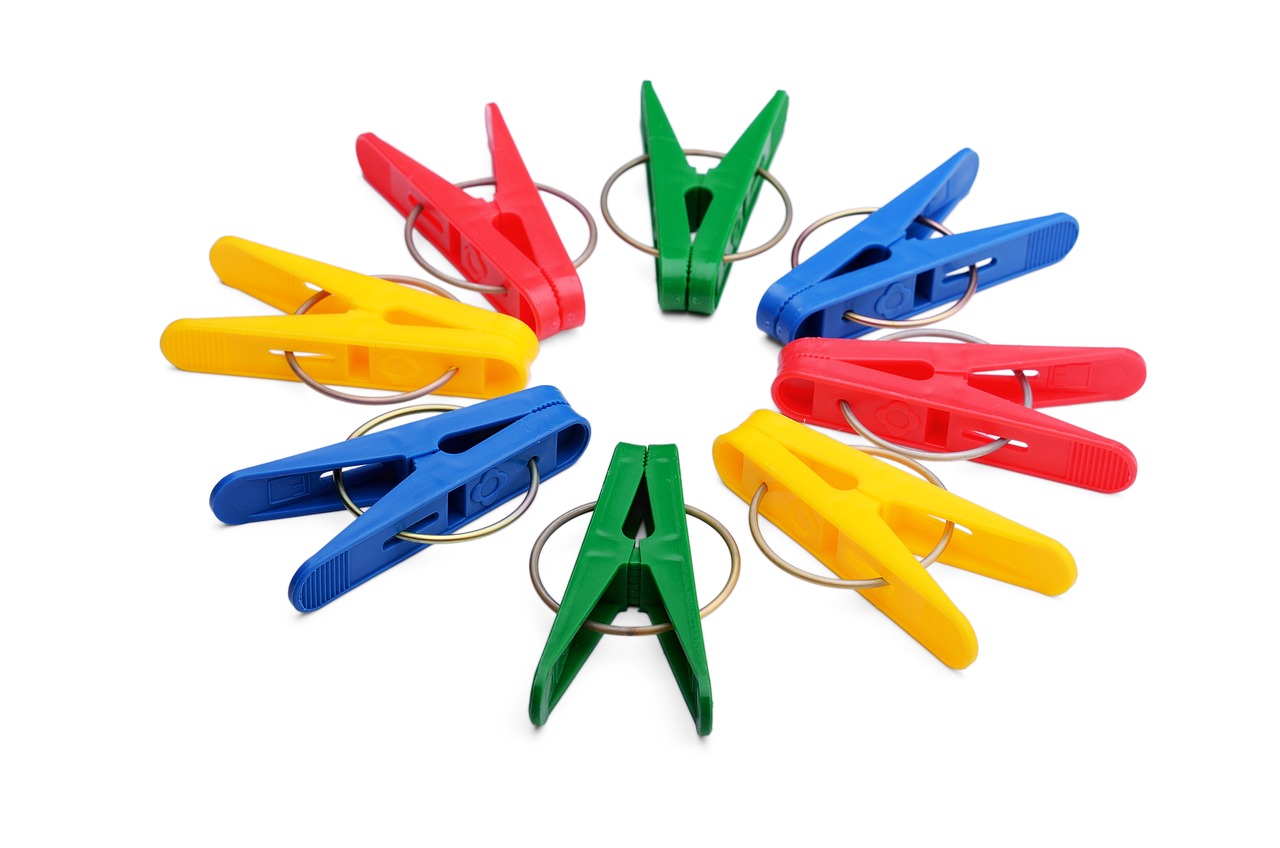
Common plastic fastener materials compared
Plastic fasteners are produced from many polymer families. Material names alone are not enough because additives, glass fiber reinforcement, colorants, flame-retardant packages and molding quality can significantly change performance. The comparison below is a practical starting point for early design and sourcing discussions.
| Material | Typical advantages | Key cautions | Common fastener uses |
|---|---|---|---|
| Nylon, including PA6 and PA66 | Good balance of strength, toughness, abrasion resistance and electrical insulation | Absorbs moisture, which can affect dimensions and mechanical properties; performance changes with conditioning and temperature | General-purpose screws, nuts, washers, clips, cable management parts and panel hardware |
| Polypropylene, or PP | Low density, good chemical resistance and economical processing | Lower stiffness and heat resistance than many engineering plastics; creep must be checked under load | Light-duty clips, laboratory hardware, caps, clamps and chemically exposed non-structural parts |
| Acetal, or POM | Low friction, good dimensional stability and fatigue resistance in suitable environments | May be unsuitable around strong acids, certain oxidizers or prolonged outdoor exposure without appropriate stabilization | Spacers, bushings, snap-fit components and precision molded retaining parts |
| Polycarbonate, or PC | High impact resistance and useful electrical properties; available in transparent forms | Can be vulnerable to stress cracking with incompatible solvents or cleaners | Electrical hardware, display assemblies, guards and impact-resistant retainers |
| PVDF | Strong chemical resistance, outdoor weathering resistance and useful flame-performance characteristics in many grades | Higher material cost; mechanical strength may not match reinforced engineering polymers | Chemical processing hardware, outdoor clips, laboratory components and corrosive service environments |
| PEEK and PPS | High heat resistance and strong chemical performance compared with many commodity plastics | Premium cost, limited availability in some fastener forms and need for grade-specific data | Demanding electrical, industrial, fluid-handling and high-temperature applications |
| PTFE | Very low friction and broad chemical resistance | Low mechanical strength and significant creep under load | Washers, seals, spacers and low-friction contact parts rather than high-preload screws |
Public material standards and test methods help designers compare data, but they do not replace application testing. ASTM D4066, for example, is a classification system for nylon injection and extrusion materials. Tensile, flexural, impact, water absorption and flammability data are usually generated through separate tests. In purchasing terms, the buyer should request the polymer grade and relevant test data, not only a color and nominal size.
Why engineers choose plastic instead of metal
The strongest case for plastic is often environmental compatibility rather than raw load capacity. In wet, marine, chemical or washdown environments, some plastic materials can avoid red rust and reduce corrosion-related maintenance. In electrical and electronic assemblies, non-conductive fasteners can help separate circuits, mount circuit boards or avoid unintended current paths. In consumer products and finished panels, a polymer screw, washer or clip can reduce scratching and vibration noise.
Weight reduction is another advantage. One small fastener may not change a product dramatically, but hundreds or thousands of fasteners in a vehicle interior, appliance, enclosure or equipment panel can affect handling, shipping weight and assembly ergonomics. Plastic clips and push rivets can also speed installation because they often require less tooling than threaded metal hardware.
These advantages have limits. Plastic fasteners generally should not be selected for a critical structural joint without mechanical verification. Polymers can deform slowly under constant load, a behavior known as creep. They can also relax after installation, reducing clamp force over time. Heat, moisture, chemicals and ultraviolet exposure can accelerate those changes. For safety-related joints, the conservative approach is to specify metal fasteners unless validated data and testing support the plastic option.
How to select plastic fasteners for real service conditions
Start with load and joint function
Define what the fastener must do before choosing the material. A screw that provides clamp force has different requirements from a spacer that maintains distance, a clip that locates a panel or a cable tie that bundles wires. Identify tensile load, shear load, pull-out force, vibration, impact risk and whether the load is continuous or temporary. A plastic part that survives a short assembly load may still creep if the same load remains for months.
Thread engagement also matters. Plastic threads can strip more easily than metal threads, especially when driven at high speed or into a hard mating part. Larger bearing surfaces, washers, bosses with adequate wall thickness and controlled torque can reduce local stress. Where repeated removal is expected, a metal insert or hybrid design may be more reliable than repeatedly threading into plastic.
Check temperature, moisture and aging
Service temperature should be considered as a range, not a single number. A material may handle a brief temperature spike but lose stiffness during continuous exposure. Nylon can perform well in many mechanical fastener applications, but its moisture absorption changes dimensions and properties. Polypropylene may be chemically resistant but less suitable near high heat. High-performance materials such as PEEK or PPS may justify their cost where temperature and chemical exposure are both demanding.
Thermal expansion is another practical issue. Plastics typically expand and contract more than metals. In a mixed-material assembly, a plastic fastener passing through a metal panel may experience changing stress as temperatures cycle. Slotted holes, flexible clips and clearance designed into the joint can reduce the risk of cracking or loosening.
Match chemical and UV exposure to the polymer
Chemical compatibility should be checked against the actual media, concentration, temperature and exposure time. A material that resists dilute chemicals at room temperature may behave differently in hot, concentrated or mixed chemical conditions. Cleaning agents also matter. Polycarbonate, for example, is useful in impact-resistant applications, but incompatible solvents can contribute to stress cracking.
Outdoor use adds ultraviolet exposure, moisture, thermal cycling and sometimes salt. PVDF and certain stabilized grades of other polymers can perform better outdoors than unstabilized general-purpose plastics, but the grade matters. Black colorants, UV stabilizers and material certificates should be specified when outdoor durability is important.
Do not overlook flame and electrical requirements
For electrical equipment, appliances and enclosed electronics, flame behavior can be as important as strength. UL 94 is widely used to classify the flammability behavior of plastic materials under controlled small-scale tests, with ratings such as HB, V-2, V-1 and V-0. A V-0 material rating is generally more demanding than HB in the UL 94 framework, but a material rating is not the same as approval of a finished assembly. Wall thickness, geometry, nearby components and end-use standards still matter. See also: Buying Guides.
Electrical insulation is also not a single property. Designers may need data on dielectric strength, tracking resistance, moisture exposure and contamination. A plastic screw used near live parts should be selected from grade-specific electrical data rather than from the generic polymer name alone.
Assembly practices that reduce plastic fastener failures
Many plastic fastener failures are not caused by the polymer alone. They result from over-torque, sharp stress concentrators, insufficient bearing area or a joint design copied from metal hardware without adjustment. Plastic parts often need wider bearing surfaces, smoother transitions and lower installation torque than metal fasteners.
- Set torque limits during trials. Use controlled drivers where possible, and document torque values that provide retention without thread stripping or head damage.
- Avoid using impact tools unless validated. High-speed installation can generate heat and sudden stress that damage plastic threads or heads.
- Increase bearing area. Washers, flange heads or molded pads can distribute load and reduce indentation.
- Design for creep. If the joint must hold clamp load for a long period, test after heat aging, humidity exposure and vibration rather than only after initial assembly.
- Protect against sharp edges. Burrs on metal panels can cut plastic washers, rivets and clips during installation or vibration.
- Allow movement where needed. Clearance holes and flexible clips can help prevent cracking when plastic and metal expand at different rates.
- Use inserts for serviceable joints. If a joint will be opened repeatedly, a threaded insert or metal nut may be more durable than repeated engagement with molded plastic threads.
Inspection should include visual checks for sink marks, short shots, cracks, flash, thread defects and color inconsistency. These defects may indicate molding or material issues. For critical parts, dimensional inspection and sample mechanical testing are more reliable than visual checks alone.
Specification checklist for buyers and designers
A clear specification reduces confusion between a generic plastic part and a validated engineering fastener. The following checklist can be used when comparing suppliers, drawings or catalog parts.
| Question | Why it matters | What to request |
|---|---|---|
| What is the fastener function? | A spacer, clip, washer and screw carry different risks | Assembly drawing, load case and required retention force |
| What polymer grade is being supplied? | Material family names are too broad for performance control | Grade name, filler content, colorant and material data sheet |
| What are the service conditions? | Heat, moisture, chemicals and UV can change performance | Temperature range, chemical list, outdoor exposure and cleaning process |
| Is flame performance required? | Electrical and enclosure applications may need documented ratings | UL 94 rating at the relevant thickness and any end-use requirements |
| How will it be assembled? | Torque, speed and mating material affect stripping and cracking | Installation torque, tool type, pilot hole size and mating material |
| Will the joint be serviced? | Repeated removal can wear plastic threads | Cycle requirement and decision on inserts or replaceable hardware |
| How will quality be verified? | Visual similarity does not prove equivalent performance | Dimensional report, material certificate and sample test plan where needed |
This checklist is especially important when substituting one plastic for another. Two fasteners can look identical but behave differently because of moisture conditioning, glass reinforcement, flame-retardant additives or molding orientation. Substitution should be treated as an engineering change, not a simple purchasing decision.
Frequently asked questions
Are plastic fasteners as strong as metal fasteners?
Usually no. Metals generally provide higher strength, stiffness and clamp load. Plastic fasteners are selected when corrosion resistance, insulation, weight reduction, chemical compatibility or surface protection matters more than maximum mechanical load. Critical structural joints need application-specific testing before plastic is used.
Which plastic is most common for fasteners?
Nylon is one of the most common choices because it offers a useful balance of toughness, wear resistance, cost and electrical insulation. However, it absorbs moisture, and its properties vary with temperature and conditioning. For chemical exposure, outdoor use or high heat, materials such as PP, PVDF, PPS or PEEK may be more appropriate depending on the application.
Can plastic fasteners be used outdoors?
Yes, but not every plastic is suitable for long-term outdoor exposure. UV radiation, heat, water and temperature cycling can embrittle or deform some materials. Outdoor applications should specify a UV-stabilized grade or a polymer known for weathering resistance, and the design should be validated under expected exposure conditions.
What does a UL 94 rating mean for a plastic fastener?
UL 94 classifies how a plastic material behaves in controlled small-scale flammability tests. Ratings such as HB, V-2, V-1 and V-0 describe material test performance, not automatic approval of a finished product. The final assembly may still need to meet separate product safety requirements.
Do plastic screws need different torque than metal screws?
Yes. Plastic screws and plastic mating threads usually require lower installation torque than metal hardware. Over-torque can strip threads, crack heads or reduce long-term retention. Pilot testing with controlled drivers is recommended before production torque values are set.