How to choose metal fittings for pipes by material, connection, and standard
a[data-rs-seo-link]{text-decoration:underline!important;color:#1a56db!important;cursor:pointer!important;}a[data-rs-seo-link]{text-decoration:underline!important;color:#1a56db!important;cursor:pointer!important;}
What metal fittings for pipes do
Metal fittings for pipes include elbows, tees, reducers, couplings, unions, nipples, caps, flanges, adapters and related components. They connect pipe runs, change direction, create branches, reduce size or close off a line. Choosing them is not just a choice between steel, stainless steel or brass. The fitting has to match the pipe size, connection method, fluid, temperature, pressure, corrosion environment, inspection expectations and governing code.
For industrial piping, ASME B16, ASME B31, ASTM and MSS standards often shape the specification. For drinking water, lead-free rules and drinking-water component standards may also apply. For related hardware categories, readers can browse the Metal Fittings section.
The most useful way to compare metal fittings is to start with the service conditions, then narrow the options by connection type, material grade and applicable standard. Catalog names alone can be misleading. Two fittings with the same shape can have very different pressure ratings, wall thicknesses, materials and documentation levels.
Start with the connection method
The connection method affects installation time, leakage risk, maintenance access and code acceptance. It also determines which dimensional standards, tools and inspection practices are relevant.
Threaded fittings
Threaded metal fittings are common in small-diameter utility lines, water lines, air lines and low-to-moderate pressure services. They can be installed without welding, which may reduce field work. The trade-off is that threads create stress concentrations and possible leak paths. For this reason, threaded fittings need closer review where vibration, thermal cycling, hazardous fluids or high pressure are involved.
When specifying threaded fittings, confirm the thread form, nominal pipe size, pressure class, material specification and sealant compatibility. A purchase description such as “threaded elbow” is not detailed enough for a controlled order.
Socket-weld and butt-weld fittings
Socket-weld fittings receive the pipe in a recessed socket and are welded around the outside. They are often used in smaller-bore industrial piping where a compact, strong joint is required. Butt-weld fittings are welded end-to-end with the pipe and are widely used in process, power and pipeline systems because they create a continuous bore and support higher-integrity welded construction.
Welded fittings require qualified welding procedures, suitable filler materials, inspection planning and fit-up control. The fitting standard and material grade should align with the piping code, the pipe material and any project-specific examination requirements.
Flanged, union and mechanical connections
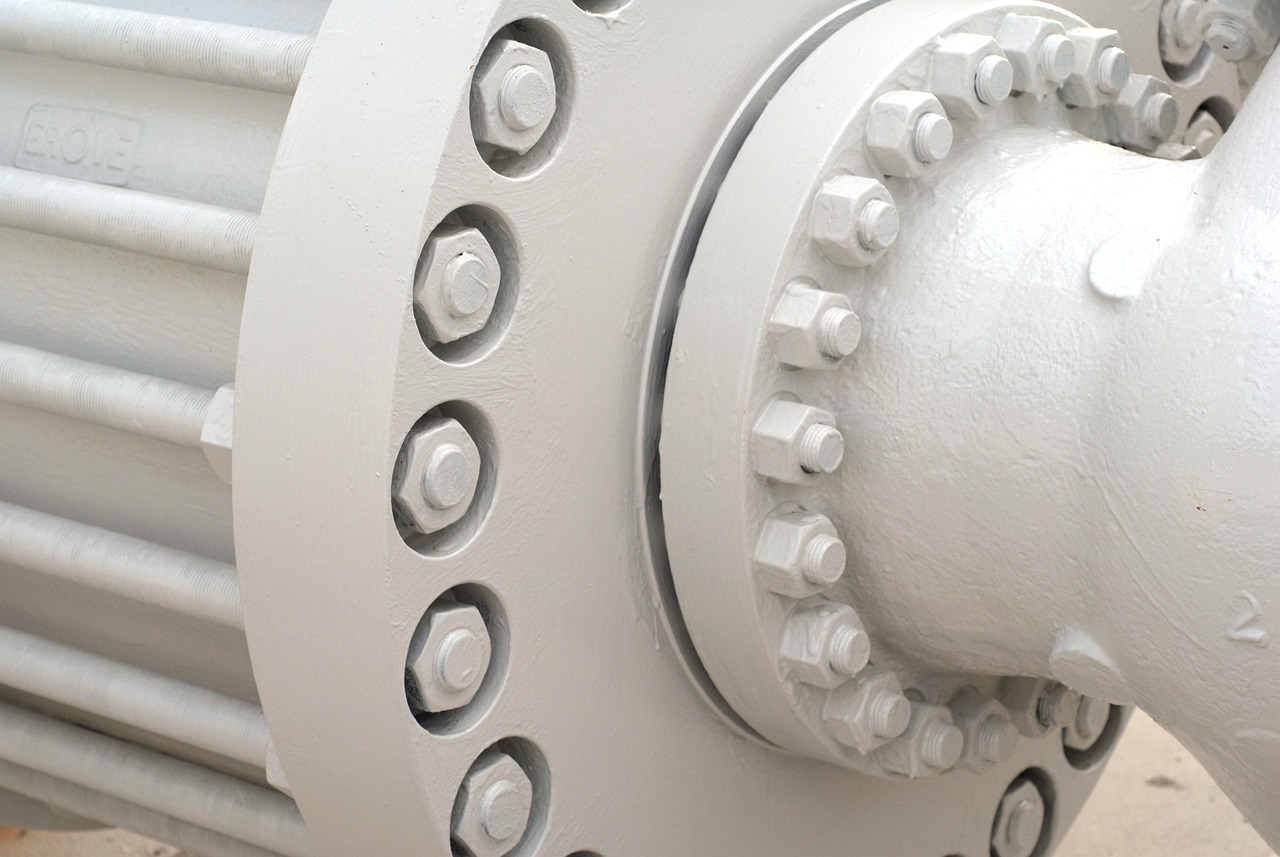
Flanged connections allow equipment, valves and pipe sections to be removed for maintenance. Unions serve a similar purpose in smaller piping. Mechanical connections, grooved couplings and compression-style metal fittings can shorten installation time in certain services, but they still need to be checked against the system pressure, temperature, fluid and code requirements.
As a practical rule, use removable joints where inspection or maintenance is expected, and welded joints where long-term integrity and compactness are more important than easy disassembly.
Choose material by fluid, temperature and environment
Material selection should begin with the fluid and environment, not with appearance or unit price. Carbon steel, stainless steel, brass, bronze, copper alloys, malleable iron and galvanized steel each perform well in some conditions and poorly in others. The right choice depends on corrosion risk, mechanical strength, cleanliness needs, temperature range and regulatory constraints.
| Material group | Typical uses | Key selection cautions |
|---|---|---|
| Carbon steel and alloy steel | Steam, oil, gas, process piping, industrial utilities and many welded systems | Needs corrosion allowance, coating, lining or other corrosion control when exposed to water, chemicals or outdoor conditions |
| Austenitic stainless steel | Corrosive services, food-related equipment, clean utilities and systems where surface condition matters | Not automatically suitable for every corrosive environment; chlorides, crevices and high temperature can change the risk profile |
| Brass, bronze and copper alloys | Plumbing, water service, low-pressure equipment connections and certain valve or union applications | For drinking water, verify lead-free compliance and any required certification for wetted components |
| Malleable iron and cast iron | Threaded fittings, drainage, low-pressure and legacy applications depending on the standard | Check pressure class, fluid compatibility and code acceptance before using in pressure service |
| Galvanized steel | Selected water, air and outdoor utility applications where zinc coating is useful | Can create compatibility and corrosion questions when connected to more noble metals such as copper alloys |
Dissimilar metal contact should be reviewed whenever two conductive metals are joined in the presence of water or another electrolyte. Galvanic corrosion risk depends on the metal combination, electrolyte, area ratio, temperature, coating condition and electrical continuity. Isolation fittings, dielectric components, coatings or material changes may be needed, but they should be selected as part of the overall piping design rather than added after the layout is fixed.
Standards and markings that matter in 2026
Industry standards do not replace engineering judgment, but they create a common language for dimensions, materials, pressure classes, markings and test expectations. As of October 2026, ASME identifies the B16 committee as responsible for standards covering valves, flanges, pipe fittings, gaskets and related pressure-service components. Recent ASME listings include B16.9-2024 for factory-made wrought butt-welding fittings, B16.5-2025 for pipe flanges and flanged fittings, and B16.52-2024 for forged nonferrous socket-welding and threaded fittings. ASME B16.11-2021 remains a common reference for forged socket-welding and threaded fittings.
ASTM material specifications are just as important. A fitting standard may define the dimensions, while an ASTM specification defines the material family and requirements. ASTM listings in 2026 include A234/A234M-26 for wrought carbon steel and alloy steel fittings for moderate and high-temperature service, A403/A403M-26b for wrought austenitic stainless steel piping fittings, A105/A105M-26 for carbon steel forgings for piping applications and A182/A182M-26b for forged or rolled alloy and stainless steel pipe flanges, forged fittings, valves and parts for high-temperature service.
For potable water, the U.S. Environmental Protection Agency describes lead-free plumbing products as having no more than a weighted average of 0.25 percent lead across wetted surfaces of pipes, pipe fittings, plumbing fittings and fixtures, with 0.2 percent limits for solder and flux. NSF/ANSI/CAN 61 is widely used to evaluate health effects of materials and components that contact drinking water. These requirements are separate from pressure rating, so a fitting may need both mechanical suitability and drinking-water compliance. See also: Buying Guides.
Pipeline projects can involve additional requirements. PHMSA confirmed in 2026 that the 2025 edition of MSS SP-75 for high-strength wrought butt-welding fittings would be incorporated by reference in 49 CFR part 195 with an effective date of January 1, 2027. That update is relevant to the covered hazardous liquid pipeline context; it should not be treated as a universal requirement for every plant, building or plumbing system.
| Reference | Where it commonly matters | What to verify |
|---|---|---|
| ASME B16.9 | Factory-made wrought butt-welding fittings | Dimensions, tolerances, end preparation and marking requirements |
| ASME B16.11 | Forged socket-welding and threaded fittings | Class, end connection, size range and marking |
| ASME B16.5 | Pipe flanges and flanged fittings from NPS 1/2 through NPS 24 | Pressure-temperature rating, facing, dimensions and bolting compatibility |
| ASTM A234 and ASTM A403 | Carbon, alloy and austenitic stainless steel piping fittings | Material grade, heat treatment, chemical and mechanical requirements |
| MSS SP-75 | High-strength wrought butt-welding fittings, especially in pipeline contexts | Grade, wall thickness, design basis and project code adoption |
Verify pressure class, dimensions and documentation
Pressure class is often misunderstood. A Class 150 or Class 300 designation is not a single pressure value that applies at all temperatures and to all materials. Pressure-temperature ratings depend on the standard, material group and operating temperature. Buyers should not compare fittings only by class label without checking the applicable rating table or project specification.
Dimensional fit is another common issue. Nominal pipe size is not the same as the exact outside diameter in everyday terms, and wall thickness can vary by schedule or specification. For welded fittings, the pipe schedule or wall thickness must align with the fitting ends. For threaded fittings, the thread type and engagement must match. For flanges, the facing, gasket, bolting and mating flange standard must all be compatible.
Documentation requirements depend on the risk level of the system. A simple noncritical utility line may need only basic product identification. Pressure piping in chemical, energy or regulated service may need heat numbers, material test reports, certificates of compliance, nondestructive examination records or project-specific traceability. The required paperwork should be specified before purchase, not requested after fittings arrive on site.
Common mistakes when selecting metal pipe fittings
- Choosing by shape only. An elbow, tee or reducer name describes geometry, not pressure rating, material grade or code suitability.
- Treating stainless steel as universally corrosion-proof. Stainless alloys resist many environments but still require review for chlorides, crevice conditions, temperature and cleaning chemicals.
- Mixing metals without a corrosion review. Copper alloys, galvanized steel, carbon steel and stainless steel can interact differently depending on moisture, conductivity and surface area.
- Ignoring installation method. Threaded, socket-weld, butt-weld, flanged and mechanical joints require different tools, labor skills, inspection methods and maintenance planning.
- Assuming potable-water approval from a material name. Brass or bronze fittings used for drinking water should be checked for lead-free and drinking-water component requirements.
- Overlooking temperature. A fitting that is acceptable at ambient temperature may have a lower allowable pressure or a different material concern at elevated temperature.
- Buying undocumented fittings for documented systems. If the project requires traceability, certificates or heat numbers, those requirements must be included in the purchase specification.
A practical checklist for comparing fittings
Before ordering metal fittings for pipes, build a short specification sheet. It does not need to be complicated, but it should answer the questions that affect safety, fit and compliance.
| Question | Why it matters |
|---|---|
| What fluid will the line carry? | Fluid chemistry determines corrosion risk, cleanliness needs and regulatory requirements. |
| What are the design pressure and temperature? | Ratings depend on material, class and temperature, not on size alone. |
| What is the pipe size and wall thickness? | The fitting must match nominal size, schedule, bore and end preparation. |
| Which connection method is required? | Threaded, welded, flanged and mechanical connections have different installation and inspection needs. |
| Which standard governs the fitting? | Standards define dimensions, tolerances, markings and sometimes testing expectations. |
| Which material grade is required? | The grade affects strength, corrosion resistance, weldability and temperature capability. |
| Is the service potable water, hazardous fluid or regulated pipeline service? | Additional rules may apply beyond ordinary industrial hardware selection. |
| What documentation is needed? | Material certificates, traceability and compliance documents can affect both acceptance and cost. |
This checklist helps separate mandatory requirements from preferences. It also reduces the risk of comparing a fully documented code fitting with a general-purpose fitting that is cheaper but unsuitable for the job.
Frequently asked questions
What is the difference between a pipe fitting and a flange?
A pipe fitting changes, joins, branches, reduces or terminates a pipe run. A flange is a bolted connection component that allows equipment or pipe sections to be assembled and removed. Flanged fittings combine fitting geometry with a flanged connection, so they need both fitting and flange compatibility checks.
Are brass metal fittings safe for drinking water?
Brass fittings can be used in many water applications, but drinking-water service requires more than the word brass. In the United States, wetted plumbing components generally need to meet lead-free requirements, and many projects also require certification to drinking-water component standards such as NSF/ANSI/CAN 61 or related lead-content standards.
Are stainless steel fittings always better than carbon steel fittings?
No. Stainless steel often provides better corrosion resistance in many environments, but it costs more and is not immune to every form of corrosion. Carbon steel may be appropriate for steam, oil, gas and many industrial services when corrosion allowance, coating, lining or water chemistry is properly addressed.
Which standard should I ask for when buying metal fittings for pipes?
The answer depends on fitting type and service. Butt-weld fittings often reference ASME B16.9 and a material standard such as ASTM A234 or ASTM A403. Forged threaded or socket-weld fittings often reference ASME B16.11. Flanges and flanged fittings may reference ASME B16.5. The project piping code and specification should make the final requirement clear.
Can threaded fittings be used for high-pressure piping?
Threaded fittings can be pressure rated, but their suitability depends on size, pressure, temperature, fluid, vibration, leakage tolerance and code rules. In higher-integrity industrial systems, welded or flanged connections are often preferred, but the final decision should follow the governing code and engineering specification.