Clips and fasteners selection guide for reliable assemblies
a[data-rs-seo-link]{text-decoration:underline!important;color:#1a56db!important;cursor:pointer!important;}a[data-rs-seo-link]{text-decoration:underline!important;color:#1a56db!important;cursor:pointer!important;}
What clips and fasteners really need to do
Clips and fasteners are often treated as small commodity parts, but they have a direct effect on how an assembly holds, moves, seals, handles vibration, and comes apart for service. The right choice is not simply the strongest bolt, the lowest-cost clip, or the most familiar catalog item. A reliable selection starts with the joint: which materials are being joined, how much load is expected, whether vibration or corrosion is present, how the part will be installed, and whether it must be removed later. For buyers, engineers, and maintenance teams, the practical goal is to match the fastening method to the actual operating conditions before price, finish, or availability narrow the options.
In industry use, “clips and fasteners” covers a broad group of components, including bolts, screws, nuts, washers, rivets, pins, spring clips, panel clips, retaining rings, hose clamps, cable clips, and plastic trim retainers. Some are load-bearing structural parts. Others are used mainly for positioning, retention, routing, appearance, or quick assembly.
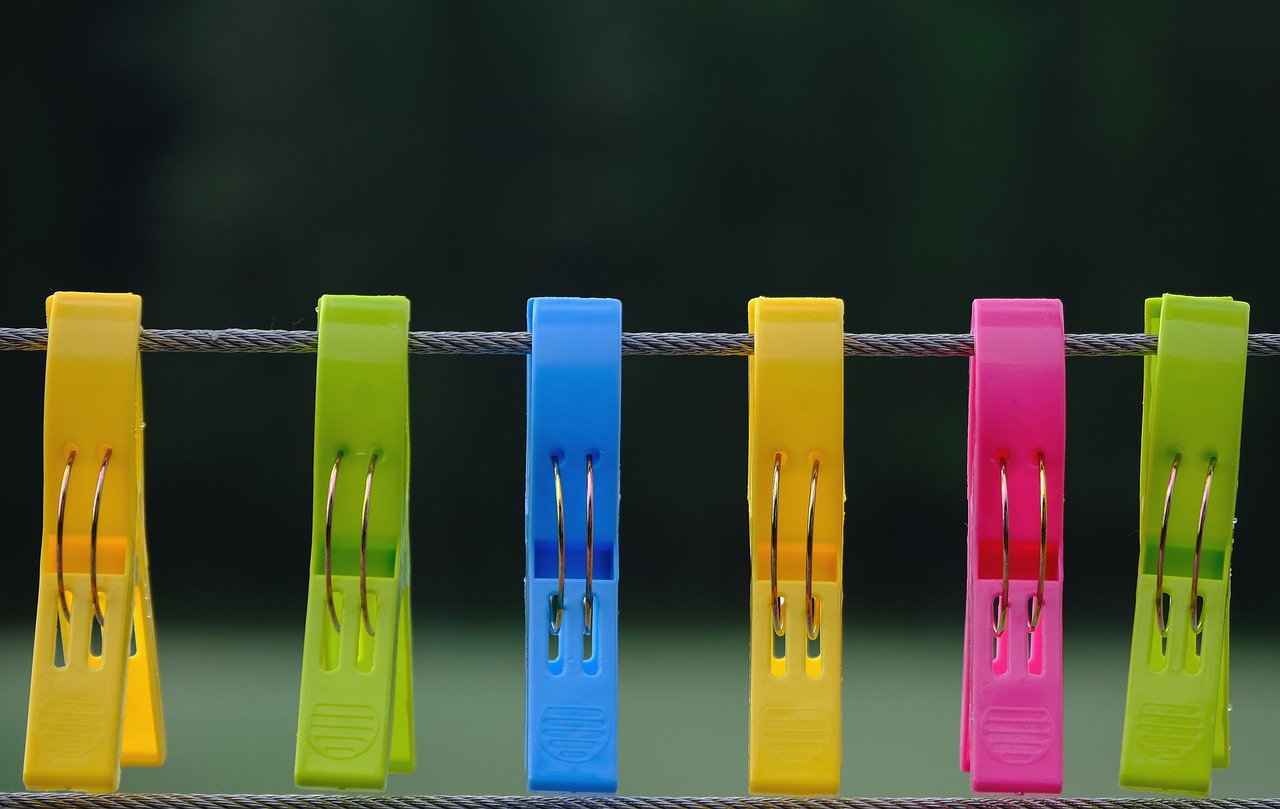
That distinction matters because the word “fastener” can refer to very different levels of risk. A decorative interior trim clip, a stainless screw in an aluminum enclosure, and a high-strength structural bolt do not share the same design assumptions. Standards organizations such as ISO, ASTM International, and SAE International define many threaded fastener requirements, while technical design references from organizations such as NASA highlight the importance of locking features when vibration, shock, or thermal cycling can reduce preload.
For more industry notes and related topics, visit the Fasteners section.
Main types of clips and fasteners
A practical way to select fastening hardware is to group parts by function rather than appearance. Most assemblies need one or more of the following fastening roles.
| Type | Typical role | Key selection question |
|---|---|---|
| Bolts, screws, studs, and nuts | Clamp parts together with controlled preload | What strength, thread, coating, torque, and locking method are required? |
| Washers and spacers | Distribute load, set distance, or protect surfaces | Is the washer serving a real engineering purpose or only being added by habit? |
| Rivets and blind rivets | Create a permanent or semi-permanent joint | Is one-side installation needed, and can the joint tolerate permanent fastening? |
| Spring clips and panel clips | Hold panels, covers, trim, or light components | How many insertion and removal cycles are expected? |
| Retaining rings and circlips | Hold components on shafts or inside bores | Is the groove geometry correct for the expected axial load? |
| Cable clips and clamps | Route wires, hoses, and tubes | Will the clip prevent abrasion without crushing the item being held? |
| Plastic push-in retainers | Support fast installation in panels or trim | Will the material survive temperature, UV exposure, chemicals, and removal? |
Threaded fasteners are usually selected when clamping force, removability, and standardization matter. Clips are often preferred when speed, low weight, cosmetic requirements, or tool-free assembly are important. Rivets and other permanent fasteners are common where tamper resistance, low installed cost, or access from only one side is a key requirement.
The common mistake is choosing the part category before defining the joint. A plastic push clip may be ideal for a light trim panel but unsuitable for a hot, chemically exposed area. A high-strength bolt may be unnecessary for a cover that only needs positioning, and it may damage thin materials if preload is not controlled.
Start with load, not catalog appearance
The first engineering question is what the joint must resist. Loads may be tensile, shear, bending, torsional, impact-based, or cyclic. Many real assemblies see a combination of these loads, even when the drawing shows only one main direction.
For threaded fasteners, preload is central. A properly tightened bolt stretches slightly and clamps the joint members together. That clamping force helps the joint resist slip. If preload is too low, joint movement can increase fatigue risk or allow loosening. If preload is too high, the fastener, threads, or joined material may yield. For that reason, torque values should not be copied from unrelated assemblies without considering material, lubrication, thread condition, coating, and joint stiffness.
Standards can help define the mechanical class of the fastener. ASTM F3125/F3125M, for example, is associated with high-strength structural bolt assemblies and includes inch and metric strength levels such as 120 ksi and 150 ksi minimum tensile strength for certain inch series products and 830 MPa and 1040 MPa for metric dimensions. SAE J429 is widely referenced for mechanical and material requirements for inch-series steel bolts, screws, studs, SEMS, and U-bolts used in automotive and related industries. ISO fastener standards cover many areas, including metric screw threads, mechanical properties, tolerances, and quality assurance.
For clips, the load question is different but just as important. Retention force, insertion force, pull-out resistance, fatigue from repeated flexing, and the risk of stress relaxation all affect performance. A clip that feels tight during installation may lose holding power if the material creeps under heat or if the receiving hole is oversized.
Match material to environment
Material selection is where many fastening failures begin. The right metal or polymer depends on strength, temperature, corrosion exposure, weight, electrical behavior, and compatibility with the parts being joined.
Carbon steel and alloy steel
Carbon and alloy steels are common for bolts, screws, nuts, washers, pins, and structural fasteners because they can provide high strength at reasonable cost. The tradeoff is corrosion risk. Coatings such as zinc plating, hot-dip galvanizing, phosphate, or other finishes may be used, but each coating changes appearance, corrosion behavior, friction, thickness, and sometimes installation requirements.
Stainless steel
Stainless steel is often selected for corrosion resistance, food equipment, outdoor hardware, marine-adjacent environments, and appearance. However, stainless does not automatically mean “maintenance-free.” Grade selection, surface condition, chloride exposure, and contact with dissimilar metals can all affect performance. In threaded assemblies, galling can also be a concern, especially when stainless parts are tightened without suitable lubrication or surface treatment.
Aluminum, brass, and specialty alloys
Aluminum fasteners reduce weight but are generally not a direct substitute for steel where high clamp load is required. Brass and bronze parts may be useful for electrical, decorative, or corrosion-related reasons, but they have their own strength limits. Specialty alloys are used where heat, chemicals, or fatigue resistance justify the cost.
Plastic and polymer clips
Plastic clips and retainers are widely used in automotive, appliances, electronics, furniture, and consumer products. Common engineering plastics may offer low weight, corrosion resistance, electrical insulation, and fast installation. The key is to verify temperature range, UV exposure, chemical contact, flexibility, and aging. A polymer that works indoors may crack outdoors. A clip that holds at room temperature may soften near an engine bay, heater, motor, or sun-exposed panel.
Corrosion and dissimilar metals need early attention
Corrosion is not only a material issue; it is also a joint design issue. Moisture traps, crevices, damaged coatings, road salts, industrial chemicals, and dissimilar metal contact can turn a technically strong fastener into a maintenance problem.
Galvanic corrosion is especially relevant when different metals are connected in the presence of an electrolyte such as water or condensation. Technical guidance from stainless steel and galvanizing associations commonly emphasizes that the relative area of the metals, the environment, and the conductivity of the moisture all influence risk. In practical terms, a small carbon steel fastener connected to a large stainless or aluminum surface can be more vulnerable than the drawing suggests.
Designers and buyers should ask four questions before finalizing clips and fasteners for corrosive environments:
- Will the installed joint hold water, dirt, salt, or chemicals?
- Are the fastener and base material far apart in galvanic behavior?
- Will installation damage the protective coating?
- Can the fastener still be removed after years of exposure?
Surface finish should be treated as a functional specification, not just a color or appearance requirement. Coating thickness can affect thread fit and clip engagement. Some finishes also change friction, which affects torque-to-tension results in threaded joints. See also: Buying Guides.
Vibration, loosening, and retention strategy
Vibration is one of the most common reasons fastening decisions become more complex. A joint may pass an initial assembly check but lose preload or retention over time when exposed to vibration, shock, temperature cycling, or repeated service loads.
NASA fastener design references describe threaded fasteners in dynamic environments such as vibration, shock, thermal cycles, and pressure cycles. These references distinguish between preload as the primary mechanism that helps a bolted joint resist slip and additional locking features that may be needed when unexpected dynamic conditions can reduce joint integrity.
Common locking and retention approaches include prevailing torque nuts, thread-locking adhesives, deformed threads, safety wire, cotter pins, lock plates, serrated bearing surfaces, wedge-locking washers, captive screws, and positive mechanical locks. Each method has limits. A locking feature may prevent complete separation without fully preserving the original preload. Adhesives require proper surface condition and curing. Mechanical locking features may add cost, assembly time, or inspection requirements.
Clips also need vibration review. A panel clip can buzz, rattle, fatigue, or move out of position if the receiving hole is poorly controlled or the clip material relaxes. For plastic clips, repeated removal can reduce retention. For metal spring clips, over-deflection during installation can permanently reduce spring force.
Installation and serviceability are part of the specification
A good fastener choice must work on the assembly line or in the field. Installation requirements often separate a suitable part from one that is only correct on paper.
For threaded fasteners, the specification should define thread form, strength class or grade, coating, lubrication condition, torque or tension method, washer use, inspection method, and any locking feature. For clips, it should define panel thickness, hole size, insertion direction, allowable insertion force, retention force, service removal method, and replacement rules.
Serviceability is easy to overlook. A hidden push clip may reduce assembly time, but it can increase repair cost if it breaks during removal. A permanent rivet may be inexpensive, but it may complicate inspection. A high-strength bolt may be correct for a structural joint, but only if installers have the right tools, training, and quality checks.
Procurement teams should also avoid replacing specified clips and fasteners with visually similar alternatives unless the performance requirements are verified. Two parts may look alike but differ in hardness, coating, material grade, spring force, thread tolerance, or heat resistance. Substitution is especially risky when the original part was selected for vibration, corrosion, electrical isolation, safety, or regulatory reasons.
A practical selection checklist
The following checklist can help narrow choices before drawings, purchase orders, or maintenance instructions are finalized.
- Define the function. Is the part clamping, locating, retaining, routing, sealing, spacing, or providing access?
- Identify the load path. Note tensile, shear, impact, vibration, thermal, and cyclic loads.
- Confirm the joined materials. Include thickness, hardness, coatings, hole condition, and risk of crushing or thread stripping.
- Select the fastener material and finish. Match strength, corrosion resistance, friction behavior, and temperature exposure.
- Check standards and grade markings. Use relevant ISO, ASTM, SAE, or project-specific standards where applicable.
- Plan the locking method. Decide whether preload alone is sufficient or whether a secondary retention feature is needed.
- Validate installation. Confirm torque tools, access, insertion force, alignment, and inspection method.
- Review service requirements. Decide whether the part must be removable, reusable, captive, replaceable, or tamper-resistant.
- Control substitutions. Require approval when material, coating, geometry, or supplier changes could affect performance.
This checklist is not a substitute for engineering validation in safety-critical or regulated applications, but it does reduce common mistakes in general industrial, automotive, appliance, electronics, construction, and equipment assemblies.
Frequently asked questions
Are clips considered fasteners?
Yes. Clips are a type of fastener when they are used to hold, retain, route, or position components. However, many clips are not designed to provide the same clamping force as bolts or screws, so they should not be treated as direct substitutes without testing.
What is the difference between a clip and a clamp?
A clip usually retains or positions a component with spring force, snap-fit geometry, or panel engagement. A clamp typically applies a more continuous holding force around or across a part, such as a hose, pipe, cable, or bracket. The terms can overlap in catalogs, so the function is more important than the name.
Can stainless steel fasteners be used with aluminum?
They can be used in many assemblies, but the environment and joint design matter. Dissimilar metal contact, moisture, salt, and area ratio can influence galvanic corrosion risk. Isolation washers, coatings, sealants, drainage, or alternative materials may be needed in demanding environments.
Do lock washers stop all fastener loosening?
No single locking method solves every vibration problem. Joint design, preload, surface condition, washer type, temperature, and dynamic load all matter. In severe vibration applications, designers often use a verified locking strategy rather than relying on a generic washer choice.
When should a fastener standard be specified?
A standard should be specified when strength, dimensions, material properties, testing, traceability, or interchangeability matter. For structural, automotive, pressure, lifting, safety-related, or regulated uses, standards and project requirements should be identified before purchasing.
Conclusion
Clips and fasteners are small parts with a large influence on product reliability. The strongest or cheapest option is not always the right one. A better selection process starts with the joint function, load, material, environment, installation method, and service plan. Standards from organizations such as ISO, ASTM International, and SAE International help define many threaded fastener requirements, while technical design references on vibration and corrosion show why real operating conditions must be considered early.
For most assemblies, the best practical approach is to specify the function first, then verify material, finish, grade, locking method, and installation controls. That keeps clips and fasteners from becoming afterthoughts and helps the full assembly perform as intended.