Cam lock fasteners for access panels and enclosures
a[data-rs-seo-link]{text-decoration:underline!important;color:#1a56db!important;cursor:pointer!important;}a[data-rs-seo-link]{text-decoration:underline!important;color:#1a56db!important;cursor:pointer!important;}
What cam lock fasteners are and why they are used
Cam lock fasteners are quarter-turn or cam-action hardware used to keep an access panel, cover, door, cabinet, or enclosure closed while still allowing quick opening for inspection or maintenance. Instead of driving a threaded screw through several rotations, the operator turns a stud, plug, key, wing, or handle until a cam or pawl engages behind the frame. That short operating movement is why these fasteners are widely used on machinery guards, electrical cabinets, vehicle panels, HVAC covers, marine hatches, and industrial enclosures.
Selection depends on more than the product name. Grip range, panel thickness, vibration, corrosion exposure, access frequency, and the need for compression, locking, tool operation, or captive retention all affect whether a fastener will work reliably in service.
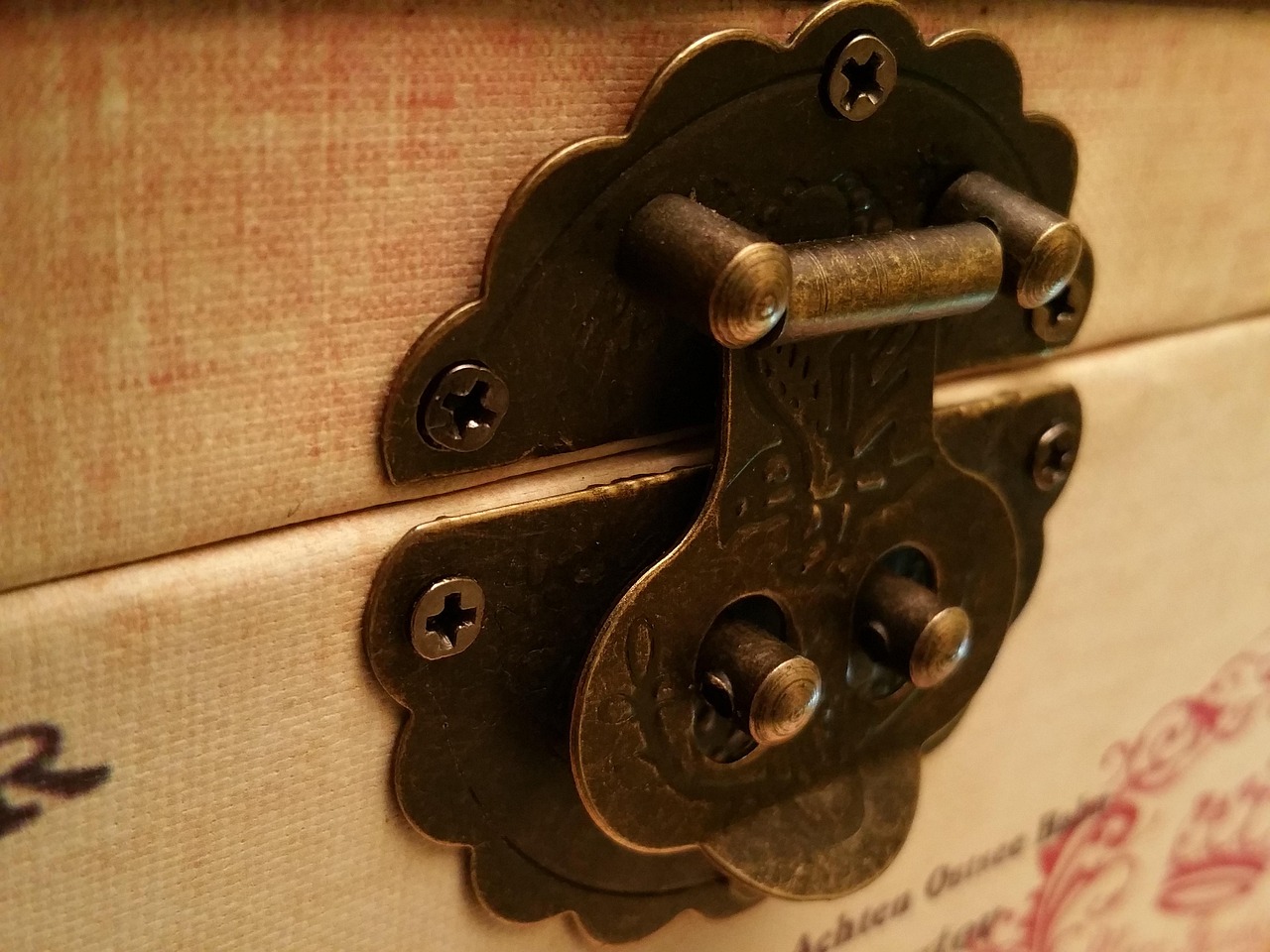
The term is not used in exactly the same way in every market. In general hardware discussions, it may refer to a quarter-turn panel fastener, a cam latch, a cabinet cam lock, or a cam-action connector. In fastener selection, that distinction matters. A light-duty furniture cam lock is not the same as a stainless compression latch for a washdown enclosure, and a hose camlock coupling is a different product category. In this article, cam lock fasteners means mechanical panel and enclosure fasteners that use cam movement to secure or release a removable or hinged part.
Readers comparing cam lock fasteners with screws, latches, and other fasteners should start with the job the joint must perform. Is the panel opened every shift, once a month, or only during service? Does the closure need to resist vibration? Should the operator use a tool or key? Will the assembly be exposed to rain, salt spray, chemicals, dust, or high temperature? These application questions narrow the choices more reliably than searching by product name alone.
How the cam mechanism works
Most cam lock fasteners use a rotating element that moves behind a receiving edge, receptacle, striker, spring, or frame. In a basic cabinet cam lock, the user rotates the plug with a key or tool, and a flat cam arm turns behind the door frame to prevent the door from opening. In a quarter-turn panel fastener, the stud typically engages a receptacle after about 90 degrees of rotation. Some designs include a spring element to create preload or to keep the stud retained when the panel is open. Manufacturer literature for quarter-turn access hardware commonly describes this as a faster way to open maintenance panels without removing loose screws.
The cam action gives these fasteners three practical advantages. First, the closing movement is short, so technicians can open multiple panels quickly. Second, the locked position is often easy to see or feel, especially with slotted, wing-head, and T-handle styles. Third, the mechanism can be designed as captive, so the stud remains with the panel when opened. Captive retention is valuable where dropped hardware could damage equipment, contaminate a workspace, or create foreign object debris.
Cam movement alone does not guarantee high strength or sealing. A simple cam arm may only hold a cabinet door closed. A compression cam latch may pull the door inward against a gasket. A heavy-duty quarter-turn fastener may be suitable for repeated service on metal panels, but it still has defined grip and load limits. The product drawing and installation data should determine the application, not the generic name.
Main types of cam lock fasteners
Cam lock fasteners are usually grouped by operating style and by how they engage the frame. The common categories include basic cam locks, cam latches, compression latches, and quarter-turn panel fasteners.
Basic cabinet cam locks
A cabinet cam lock has a cylinder or plug mounted through a door or panel, with a cam arm attached at the back. When the plug rotates, the cam arm catches behind the frame. These locks are common on electrical cabinets, lockers, access covers, storage compartments, and light industrial doors. They may be key-operated, tool-operated, or hand-operated. Their main function is closure and access control, not structural clamping.
Cam latches
A cam latch is usually selected when a door, cover, or machine panel needs fast closure without a full locking cylinder. The actuator may be slotted, hex, wing, knob, T-handle, L-handle, or recessed. Some models have a fixed grip, while others allow grip adjustment. Cam latches are common where repeated access is more important than tamper resistance.
Compression cam latches
A compression latch adds a pull-in action as the cam rotates. This can help compress a gasket, reduce rattling, and improve resistance to dust or water entry when the surrounding enclosure design also supports sealing. Stainless steel compression latches are often used in outdoor cabinets, transportation equipment, marine hardware, and washdown environments. The important point is that the latch only provides the compression action; the complete enclosure still needs suitable gasket design, hinge alignment, surface flatness, and installation quality.
Quarter-turn panel fasteners
Quarter-turn fasteners are common on removable access panels, inspection covers, and equipment skins. Public training materials for aviation maintenance often describe turnlock fasteners as hardware used where quick removal or opening of panels, doors, and cowlings is required. Designs historically associated with names such as Dzus, Airloc, and Camloc use studs and receptacles that secure with a short rotational movement. In industrial use, similar quarter-turn concepts appear in electronics racks, vehicle panels, and machinery covers.
Selection factors that matter in real applications
Choosing cam lock fasteners is both a dimensional decision and an environmental decision. A fastener can look suitable from the front of the panel and still fail to close correctly if the grip range, cam offset, panel thickness, or frame clearance is wrong.
| Selection factor | Why it matters | What to verify |
|---|---|---|
| Panel thickness | The body must fit through the panel and seat correctly. | Panel cutout, mounting hole, washer stack, and retaining nut clearance. |
| Grip range | The cam or pawl must engage the frame without being too loose or overstressed. | Distance from panel face to frame edge or striker surface. |
| Access frequency | Frequent service favors quarter-turn, captive, or hand-actuated designs. | Expected opening cycles and maintenance procedure. |
| Security need | Some panels need tamper resistance or controlled access. | Keyed, tool-operated, recessed, or restricted-access heads. |
| Vibration | Vibration can loosen poorly matched or low-preload hardware. | Use of spring elements, compression action, detents, or positive locking. |
| Environment | Moisture, salt, chemicals, UV, and temperature affect material life. | Base material, finish, gasket compatibility, and corrosion rating. |
Grip range is one of the most common sources of selection errors. It is not simply the panel thickness. It is the working distance the cam must span when closed. If the grip is too short, the fastener may not engage. If it is too long, the panel may rattle, the gasket may not compress, or the cam may rest in an unreliable position. Adjustable cams and multiple cam offsets can solve some fit problems, but they should still be selected from measured dimensions.
Head style also deserves attention. A slotted head is simple and low cost, but it can be damaged by the wrong tool. A wing head allows hand operation, although it may protrude. A recessed hex or square drive can reduce accidental opening and provide a cleaner surface. A keyed plug adds access control, but it should not be treated as high-security hardware unless the lock design and surrounding enclosure are rated for that purpose.
Materials and finishes
Material choice should follow the operating environment. Zinc-plated steel is common for general indoor hardware because it provides economical corrosion protection in mild conditions. Stainless steel is preferred where moisture, outdoor exposure, cleaning chemicals, or salt are concerns. Zinc alloy and die-cast bodies are common in cabinet locks and light-duty latches. Engineering plastics may be used where low weight, electrical insulation, or corrosion resistance is useful, but temperature and strength limits must be checked.
Stainless steel is not a single performance level. General stainless hardware may perform well indoors and outdoors, while 316 stainless steel is often specified for harsher marine or chemical environments because of its improved corrosion resistance compared with common 304 grades. Southco access hardware literature, for example, lists both 304 and 316 stainless steel in different latch and cam components, showing how manufacturers match material to application rather than treating stainless as one category.
Finishes also affect function. Zinc plating, bright chromate, black coating, passivation, powder coating, and other surface treatments can improve corrosion resistance, appearance, or wear behavior. A coated cam may also change fit if coating thickness is not considered. In assemblies with dissimilar metals, designers should consider galvanic corrosion, especially outdoors or in wet service. A stainless latch mounted to an aluminum or coated steel panel may still need isolating washers, compatible fasteners, or drainage design, depending on the environment. See also: Buying Guides.
Installation and maintenance considerations
Installation quality has a direct effect on performance. A cam lock fastener needs the correct cutout, hole diameter, anti-rotation feature, retaining hardware, and alignment with the frame or striker. If the hole is oversized, the body can twist under load. If the cam is too long, it may scrape, bind, or prevent the door from closing. If the cam is too short, it may catch only the edge of the frame and release under vibration.
For sheet metal doors and covers, check whether the panel needs reinforcement around the cutout. Thin panels can flex, especially when a compression latch pulls against a gasket. Flexing may reduce sealing pressure at the corners or make the latch feel tight without actually compressing the gasket evenly. For removable panels, confirm that every fastener reaches its receptacle without forcing the panel into position. Forced installation can hide tolerance problems until the panel is serviced in the field.
Maintenance should be simple but regular. Operators should check for worn cams, bent pawls, loose nuts, damaged springs, cracked plastic heads, missing retaining clips, and corrosion at the interface between the cam and frame. A fastener that suddenly requires more force may be misaligned, contaminated, or overloaded. Lubrication may help some metal mechanisms, but it should be compatible with nearby seals, electrical components, food-processing rules, or cleanroom requirements.
For safety-related covers, guards, and access doors, replacement should use the same specification or an approved equivalent. Matching only the visible head shape is not enough. The replacement should match grip, material, actuation style, load capacity, and environmental requirements. If the original manufacturer provides torque, cutout, or mounting instructions, those instructions should be followed.
Cam lock fasteners versus screws, hinges, and draw latches
Cam lock fasteners are not a universal replacement for screws. Screws provide strong threaded clamping and can be a better choice for structural joints, permanent covers, and assemblies that are rarely opened. Their disadvantages are service time and the risk of lost hardware. Cam locks and quarter-turn fasteners are better suited to applications where access is frequent and closure speed matters.
Compared with hinges, cam fasteners serve a different role. A hinged door still needs a latch to stay closed, and a removable panel may use several quarter-turn fasteners instead of hinges. Hinges are useful when the door should remain attached and swing open. Captive quarter-turn fasteners are useful when the whole panel must be removed but the hardware should stay with it.
Draw latches and toggle latches can generate strong pull-down force and are often easy to inspect visually. They may be better for cases, crates, and covers that require higher manual clamping force. Compression cam latches are usually more compact and cleaner for flush doors and cabinets. The better choice depends on required force, available space, operator access, and exposure to impact.
In short, cam lock fasteners fit best where a panel must close securely but open quickly. They are less suitable when the joint requires continuous high clamp load, precise structural preload, or permanent assembly.
Common mistakes to avoid
- Using the wrong product category. Furniture cam locks, hose camlock couplings, cabinet cam locks, and quarter-turn panel fasteners are different products even when search terms overlap.
- Ignoring grip range. The fastener must match the actual distance from the panel face to the engagement point, not just the door thickness.
- Assuming every cam latch seals. Sealing requires compression, a suitable gasket, correct door stiffness, and even contact pressure.
- Choosing material by appearance only. Bright plating may look clean but may not be suitable for wet, salt, or chemical exposure.
- Overlooking vibration. Mobile equipment, machinery, and vehicles may need spring-loaded, compression, captive, or positive-locking designs.
- Replacing by head shape only. Two fasteners can look similar from the front but have different cams, offsets, materials, and load ratings.
The most reliable selection method is to define the application first, measure the interface, and then choose a fastener family that matches the mechanical and environmental requirements. Product drawings, cutout templates, and manufacturer installation notes should be treated as part of the specification.
Frequently asked questions
Are cam lock fasteners the same as quarter-turn fasteners?
Some are, but not all. Many quarter-turn panel fasteners use cam action, and many people describe them as cam lock fasteners. However, a cabinet cam lock with a key cylinder is also a cam-action fastener, while a hose camlock coupling belongs to a different fluid-handling category.
Can cam lock fasteners be used outdoors?
Yes, if the material, finish, gasket system, and enclosure design are suitable for outdoor exposure. Stainless steel, protected zinc alloy, coated components, and compatible seals may be needed. The environment should guide the specification, especially where salt, chemicals, or standing water are present.
Do cam lock fasteners provide security?
They can provide access control, especially when keyed or tool-operated, but they should not automatically be treated as high-security locks. Security depends on the lock cylinder, cam strength, door construction, frame design, and resistance to prying or forced rotation.
Why does a cam lock fastener rattle after installation?
Common causes include excessive grip distance, a cam that is too short or poorly offset, panel flex, missing washers, worn springs, or lack of compression against a gasket or frame. Rechecking the measured grip and the specified cam style usually identifies the problem.
What information is needed before ordering replacements?
Record the panel thickness, grip distance, hole or cutout size, cam length and offset, head style, material, finish, and whether the part is locking, compression, captive, or tool-operated. If the part came from a cataloged assembly, use the original part number or drawing whenever possible.