Small pond maintenance tips for clear water and healthy plants
a[data-rs-seo-link]{text-decoration:underline!important;color:#1a56db!important;cursor:pointer!important;}a[data-rs-seo-link]{text-decoration:underline!important;color:#1a56db!important;cursor:pointer!important;}
Small pond care works best when it is regular, not aggressive
The most useful small pond maintenance tips are practical and repeatable: remove debris before it breaks down, keep water moving, manage plants before they cover the surface, limit fertilizer runoff, and check pumps, filters and water levels every week during the active season. Because a small pond holds less water than a large pond, heat, algae, fallen leaves, overfeeding and equipment faults can affect water quality quickly. The aim is not to sterilize the pond. It is to maintain enough biological balance for plants, fish and wildlife while preventing the avoidable problems that make water cloudy, smelly or short of oxygen.
Treat maintenance as a set of small interventions. A few minutes with a net, a quick pump inspection and a seasonal plant trim usually prevent more trouble than a full clean-out after months of neglect. For broader home and garden upkeep topics, browse our Maintenance Tips section.
Why small ponds change faster than large ponds
Small backyard ponds, container ponds and compact ornamental water features fit tight spaces, but their size also makes them less forgiving. Shallow water can warm quickly on a sunny afternoon. A small volume of fallen leaves can create a noticeable organic load. A clogged pump can reduce circulation within hours. Where fish are present, feeding mistakes and oxygen stress may show up faster than they would in a larger pond.
Guidance from organizations such as the Royal Horticultural Society, U.S. Environmental Protection Agency, NOAA, CDC and university extension programs points to a consistent maintenance theme: many pond problems are linked to excess nutrients, stagnant water, decomposing organic matter or sudden disruption of the pond’s biology. A good routine therefore combines observation, debris control, plant balance and careful equipment checks.
A weekly routine for a cleaner small pond
During spring, summer and early autumn, use a short weekly checklist. In very hot weather, after storms or when nearby trees are dropping leaves, check more often. The work is straightforward, but consistency matters.
- Skim floating debris. Remove leaves, flower petals, seed pods, grass clippings and windblown litter before they sink and decay.
- Check the pump flow. A weaker waterfall, fountain or return line can indicate a blocked intake screen, pre-filter, impeller or section of tubing.
- Look at the water surface. A thin film, bad odor, sudden color change or fish gasping near the surface can signal low oxygen, decay or water quality stress.
- Top up carefully. Replace evaporated water in small amounts. If using treated municipal water, use a pond-safe dechlorinator according to the product label, especially where fish or amphibians are present.
- Trim dying plant material. Remove yellowing leaves and spent flowers before they break down in the water.
- Inspect the edges. Make sure liner edges are covered, stones are stable and runoff from soil, mulch or fertilized beds is not washing directly into the pond.
This light routine prevents many larger jobs. It also helps you spot patterns, such as algae after lawn fertilizing, cloudy water after heavy rain, mosquito activity in a still corner or pump clogging after a nearby tree sheds seed.
Control algae by managing nutrients, light and oxygen
Algae is not automatically a failure. A pond is a living system, and some algae supports aquatic life. Problems start when algae grows faster than the pond can balance. NOAA describes nutrient pollution as excess nitrogen and phosphorus entering water and encouraging algae growth; EPA lawn and landscape guidance also warns that fertilizer in stormwater can encourage algae and oxygen-depleted conditions. For a homeowner, the maintenance lesson is clear: treat algae as a symptom, not just a surface mess.
| What you see | Likely driver | Maintenance response |
|---|---|---|
| Green water | Too much sun, nutrients or suspended algae | Add appropriate pond plants for shade, reduce nutrient inputs, avoid overfeeding fish and check filtration. |
| Stringy or mat-forming algae | Warm, nutrient-rich, stagnant areas | Remove by hand or net in sections, improve circulation and reduce runoff from lawns or beds. |
| Bad smell or dark sludge | Decaying leaves, dead plants or uneaten food | Remove organic debris, clean pre-filters and consider partial sludge removal in cooler weather. |
| Fish at the surface at dawn | Possible low dissolved oxygen | Increase aeration immediately, stop feeding temporarily and investigate decay, overcrowding or sudden algae die-off. |
Avoid treating the entire pond as a quick fix. University extension guidance commonly warns that killing large amounts of algae or aquatic plants at once can reduce dissolved oxygen as the material decays. If an algaecide or herbicide is legally appropriate for your pond, follow the label exactly and treat only a portion of the pond at one time. For many small ornamental ponds, manual removal, better circulation, plant balance and nutrient reduction are safer first steps.
Use plants as maintenance partners
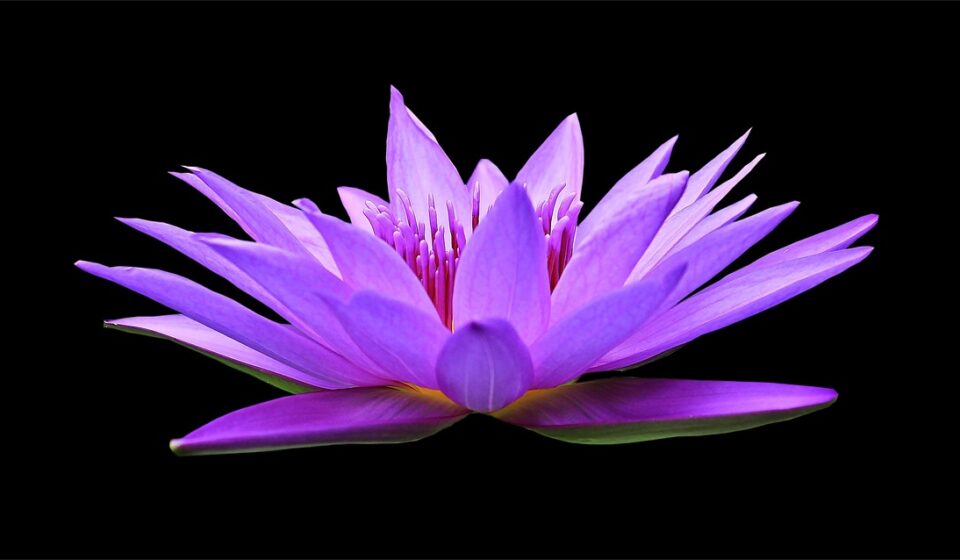
Pond plants are not just decoration. They shade water, compete with algae for nutrients, provide habitat and help soften the pond edge. The key is proportion. RHS guidance commonly recommends keeping about half of the surface open while allowing useful plant cover. For many garden ponds, that is a practical target: enough foliage to shade and shelter the water, but not so much that light, oxygen exchange and visibility are blocked.
Choose plants for the size and depth of the pond
Small ponds need compact, manageable plants. Before buying, check the mature spread, planting depth and local invasive status. Vigorous aquatic plants can overwhelm a small pond quickly, and some species can become a problem if they escape into natural waterways. Virginia Cooperative Extension specifically warns not to discard water garden plants into lakes, streams, ditches or other natural waterways. Compost only safe plant material, and dispose of potentially invasive material in the trash according to local guidance.
Thin plants before they collapse
Remove dying stems, yellow leaves and excess floating growth before it decomposes. If you need to thin a lot of growth, do it in stages. When it is safe to do so, leave removed plants beside the pond briefly so small aquatic creatures can crawl back, then dispose of the plant material responsibly.
Adjust maintenance by season
Small pond maintenance changes through the year. A seasonal plan keeps the work predictable and helps avoid sudden clean-outs.
| Season | Main risks | Best maintenance actions |
|---|---|---|
| Spring | Restarting pumps, plant regrowth, early algae | Inspect pump and tubing, remove winter debris, divide crowded plants, restart filtration gradually and begin light feeding only when fish are active and water is consistently warm enough. |
| Summer | Heat, evaporation, algae, low oxygen | Top up small amounts, maintain aeration, remove algae manually, shade part of the surface with plants and avoid overfeeding fish. |
| Autumn | Falling leaves, dying plant material, sludge buildup | Net the pond if leaf fall is heavy, cut back dying foliage, clean pre-filters and remove excess sludge without stripping the whole pond. |
| Winter | Ice cover, low light, dormant plants, trapped gases | Keep a small area open in freezing climates with an aerator, de-icer or suitable pump setup, monitor water level and avoid major disturbance unless safety is at risk. |
Fall is especially important for fish ponds. Virginia Cooperative Extension notes that water gardens require year-round care and emphasizes removing leaves and dying plants before winter, particularly where fish are present. In cold regions, the aim is not to warm the whole pond but to maintain gas exchange and prevent the pond from freezing solid. See also: Buying Guides.
Maintain pumps, filters and pond materials
Good water quality depends partly on simple hardware. A small pump, tubing, filter box, fountain head, skimmer net and pond-safe fittings can be the difference between a stable water feature and constant troubleshooting.
- Pump intake: Clear leaves, algae and grit from the intake screen. If the pump hums but flow is weak, unplug it before checking the impeller.
- Filter media: Rinse mechanical filter pads in a bucket of pond water rather than chlorinated tap water when possible, especially if the filter supports beneficial bacteria.
- Tubing and fittings: Look for kinks, cracks, loose clamps and leaks around waterfall returns or fountain connections.
- Liner edges: Protect exposed liner from sunlight and abrasion with stone, edging or plants. Check for settling that lets soil wash into the pond.
- Electrical safety: Use outdoor-rated equipment, keep connections dry and follow manufacturer instructions and local electrical code. If a circuit, outlet or cable is questionable, consult a qualified electrician.
Small leaks can be hard to separate from normal evaporation. Mark the water level, turn off fountains or waterfalls for a controlled period if it is safe, and compare the drop. If the level falls only when the pump runs, inspect streambeds, hoses and waterfall edges before assuming the liner has failed.
Mosquito prevention without harming the pond balance
Mosquitoes need water to breed, but a maintained pond is not the same as an abandoned bucket of stagnant water. CDC home mosquito guidance recommends removing standing water from containers weekly and using larvicides in water that cannot be dumped or covered, always according to label directions. For an intentional pond, focus on circulation, access for natural predators and eliminating stagnant pockets around the margins.
- Keep pumps, bubblers or small waterfalls operating where appropriate.
- Remove saucers, buckets, tarps and clogged gutters near the pond, because these often breed mosquitoes more readily than a balanced pond.
- Avoid dense mats of vegetation that create still, hidden water at the edges.
- If mosquito larvae persist, contact a local extension office or mosquito control district before adding fish or treatments, since suitable species and rules vary by region.
Common mistakes to avoid
The most common pond maintenance mistakes usually come from doing too much at once or ignoring the source of the problem.
- Do not completely scrub the pond on a routine schedule. Full clean-outs can remove beneficial biology and stress fish and amphibians. Reserve major cleaning for severe sludge, contamination, leaks or reconstruction.
- Do not fertilize near the pond before rain. EPA yard guidance recommends using fertilizer only as needed, avoiding application before rainy or windy weather and keeping fertilizer away from waterways.
- Do not overfeed fish. Uneaten food decays and adds nutrients. Feed only what fish consume quickly, and reduce feeding when water is cold or oxygen stress is suspected.
- Do not treat all algae or plants at once. Sudden die-off can reduce oxygen as organic matter decomposes.
- Do not dump unwanted aquatic plants outdoors. Dispose of them responsibly so they cannot spread into natural waters.
Frequently asked questions
How often should a small pond be cleaned?
Light cleaning should happen weekly during active seasons: skim debris, check the pump, remove dead plant material and observe water clarity. A deeper clean is not usually needed unless the pond is heavily silted, clogged with roots, contaminated or being repaired.
Why is my small pond turning green?
Green water usually points to suspended algae encouraged by sunlight, nutrients and warm conditions. Reduce fertilizer runoff, avoid overfeeding fish, add appropriate plant shade, keep filtration working and be patient. New or recently disturbed ponds often need time to stabilize.
Should I remove all algae from a small pond?
No. Some algae is part of a living pond. Remove excessive mats that block light, trap debris or reduce oxygen, but avoid stripping the pond bare or killing all algae at once. A moderate, staged approach is safer.
Can I use tap water to top up a pond?
Yes, but use care. Add water gradually and use a pond-safe dechlorinator when your water supplier uses chlorine or chloramine, especially if fish or amphibians are present. Rainwater can be useful where it is collected safely, but it should not introduce roof debris, pollutants or sudden water chemistry changes.
What is the simplest maintenance kit for a small pond?
A practical kit includes a fine pond net, gloves, bucket, plant scissors, pump brush, spare filter media, tubing clamps, dechlorinator if needed and basic water tests for fish ponds. Keep products labeled for pond use and follow all instructions.
The bottom line
A healthy small pond is maintained through prevention: less runoff, less decay, steady circulation, balanced planting and timely seasonal work. If you skim debris, keep equipment clear, manage plant growth and respond early to algae or oxygen warning signs, most small ponds can stay attractive and biologically stable with modest effort.