How to choose plumbing and heating supplies for safer, more efficient projects
a[data-rs-seo-link]{text-decoration:underline!important;color:#1a56db!important;cursor:pointer!important;}a[data-rs-seo-link]{text-decoration:underline!important;color:#1a56db!important;cursor:pointer!important;}
Quick answer for buyers
Choosing plumbing and heating supplies is not just about matching pipe sizes or finding the lowest unit price. Start with the system type, local code requirements, material compatibility, water or fuel contact, pressure and temperature ratings, certification marks, and access for future maintenance. For potable water, prioritize lead-free and properly certified components. For heating, review sizing, venting, controls, combustion safety, and serviceability before purchase. Efficiency labels such as EPA WaterSense for fixtures and ENERGY STAR for certain water heaters can help narrow the field, but they do not replace local code checks or professional installation where required. This buying guides overview explains how to evaluate supplies before ordering so a project is safer, easier to maintain, and less likely to require costly rework.
Start with the system and local code
The same fitting, valve, or control can be suitable in one system and wrong for another. Before comparing brands or prices, define the job clearly: potable water, drain-waste-vent, hydronic heating, water heating, gas-fired equipment, oil-fired equipment, or controls. Each category has different performance demands and inspection expectations.
In the United States, plumbing and mechanical requirements are commonly shaped by adopted state or local codes. The International Code Council describes the 2024 International Plumbing Code as a minimum-regulation model code for plumbing systems and related piping, but adoption and amendments vary by jurisdiction. A product that looks acceptable in a catalog may still need approval from the local authority having jurisdiction, especially on permitted work.
| Project area | Supplies to confirm | Main buying risk |
|---|---|---|
| Potable water | Pipes, fittings, valves, faucets, solder, flux, supply stops | Using non-certified or non-lead-free wetted components |
| Drain, waste, and vent | Pipe, traps, cleanouts, couplings, hangers, vent fittings | Wrong material, slope assumptions, or inaccessible cleanouts |
| Water heating | Water heater, expansion tank, mixing valve, relief valve, drain pan, connectors | Incorrect capacity, poor venting, missing safety components, or limited service access |
| Hydronic heating | Pumps, manifolds, air eliminators, valves, expansion tanks, controls | Mismatched temperature, pressure, flow, or control strategy |
| Gas or oil heating | Venting parts, combustion air components, shutoff valves, thermostats, detectors | Safety hazards from incorrect venting, fuel components, or unqualified installation |
For buyers, the practical rule is straightforward: if a part carries water for human consumption, exhaust gas, combustion fuel, pressure, or high temperature, do not treat it as a generic commodity. Confirm the product standard, the intended application, and whether the installation will be inspected.
Plumbing supplies need certification, compatibility, and access
Potable water lines and fittings
For drinking-water systems, the first check is whether wetted parts are legal and suitable for potable use. EPA guidance on the federal lead-free rule defines lead free as no more than a weighted average of 0.25 percent lead across wetted surfaces of pipes, pipe fittings, plumbing fittings, and fixtures, and no more than 0.2 percent lead for solder and flux. NSF also notes that faucets and plumbing products intended for contact with drinking water should be tested and certified to relevant drinking-water standards such as NSF/ANSI 61, while NSF/ANSI/CAN 372 addresses lead content.
Material compatibility matters as much as certification. Copper, PEX, CPVC, stainless steel, brass, and flexible connectors all have valid uses, but they are not interchangeable without checking system temperature, pressure, chemical exposure, support spacing, joining method, and manufacturer limits. Mixing metals without considering corrosion risk can shorten service life. Using a fitting that is not approved for the pipe system can also create leaks that may not appear until the system sees temperature cycles or pressure changes.
Drain, waste, and vent parts
DWV supplies are often less expensive than pressure-rated potable parts, but they are not less important. Pipe diameter, fitting pattern, cleanout location, trap configuration, and venting all affect drainage performance and help keep sewer gas out of occupied spaces. Buyers should not assume that any elbow or coupling with the right nominal size is correct. Drainage fittings are shaped for flow direction, and many codes distinguish between fittings allowed in vertical and horizontal positions.
Valves and service parts
Valves determine whether future maintenance is simple or expensive. Isolation valves near fixtures, appliances, pumps, and equipment can reduce downtime during repairs. Full-port ball valves may be preferable where unrestricted flow is important. Stop valves should be accessible and matched to the supply tube and fixture connection. Backflow prevention parts, pressure-reducing valves, vacuum breakers, mixing valves, and relief valves should be selected according to the system requirement, not by appearance alone.
Heating supplies should be sized and matched before purchase
Hydronic heating and hot-water distribution
Hydronic systems depend on the relationship between heat source, water temperature, flow rate, emitters, pumps, expansion volume, and controls. A circulator pump that is too small may fail to deliver heat evenly; one that is poorly matched can waste energy or create noise. Expansion tanks, air separators, pressure gauges, fill valves, and zone valves should be selected as part of a complete system rather than as isolated parts.
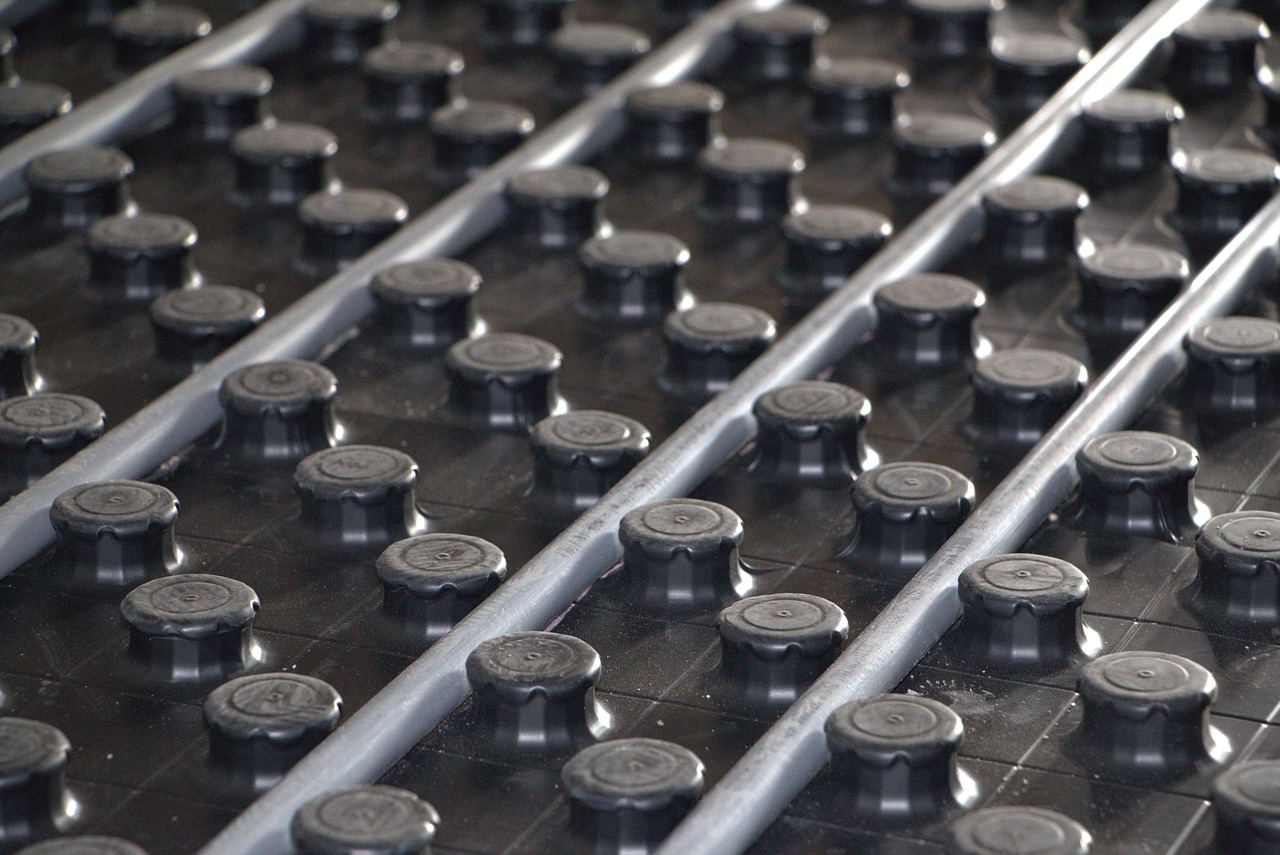
For radiant floors, baseboard heat, panel radiators, or fan coils, buyers should confirm the design water temperature and required output. Low-temperature systems may pair well with high-efficiency equipment, but they also require emitters sized for those temperatures. Retrofitting one component without considering the rest of the loop can reduce comfort or create maintenance problems.
Combustion equipment and carbon monoxide risk
Gas-fired and oil-fired heating equipment adds a safety layer that should not be handled casually. CDC carbon monoxide guidance states that carbon monoxide is odorless and colorless and can cause sudden illness or death. The CDC also advises annual service of heating systems, water heaters, and other gas, oil, or coal-burning appliances by a qualified technician. Supplies related to combustion air, venting, draft, fuel shutoff, and appliance connections should be selected and installed according to the equipment manual and local requirements.
Carbon monoxide detectors are not a substitute for correct installation, but they are an important safety layer. Buyers working on heating upgrades should include detector placement and replacement intervals in the project plan, especially when replacing furnaces, boilers, water heaters, fireplaces, or venting components.
Controls and thermostats
Thermostats, aquastats, outdoor reset controls, zone controls, relays, and smart controllers can improve comfort only when they match the equipment. A thermostat designed for a conventional forced-air system may not be appropriate for a heat pump or multi-stage heating system. For hydronic systems, buyers should confirm control compatibility with pumps, valves, transformers, and boiler controls before purchase.
Efficiency choices that can affect operating costs
Efficiency claims are useful only when the label and the application are understood. EPA WaterSense says labeled products are certified to use at least 20 percent less water and perform as well as or better than regular models. EPA also estimates that replacing one showerhead with a WaterSense-labeled model can save an average family about 2,700 gallons of water per year. For buyers, fixtures are one of the easier categories to screen with a recognized label, as long as the application still fits. See also: Fasteners.
Water heating is another high-impact category. ENERGY STAR states that certified heat pump water heaters can save a household of four about $550 per year compared with a standard electric water heater, based on its stated assumptions. The U.S. Department of Energy finalized updated residential water heater efficiency standards on April 30, 2024, with compliance required starting in 2029. That does not mean every buyer should choose the same water heater. It does mean efficiency, capacity, electrical requirements, installation space, noise, condensate drainage, and service access should be reviewed together.
| Supply category | Reliable signal to check | Why it matters | Buying caution |
|---|---|---|---|
| Bathroom fixtures | WaterSense label where applicable | Helps identify certified water-saving fixtures | Still confirm flow rate, user expectations, and local rules |
| Water heaters | ENERGY STAR certification and Uniform Energy Factor | Helps compare efficiency across qualifying models | Capacity, recovery rate, voltage, venting, and installation space still matter |
| Thermostats | Equipment compatibility listing | Prevents control mismatch and comfort complaints | Heat pumps, multi-stage systems, and hydronics need extra review |
| Pipe insulation | Temperature rating and wall thickness | Can reduce heat loss on hot-water and heating lines | Do not block access to valves, unions, labels, or service points |
A practical buying checklist before ordering
A clear checklist helps prevent the common mistake of buying supplies twice. Before placing an order, collect product data sheets, equipment manuals, code notes, and measurements from the actual job site. Do not rely only on nominal pipe size or a photo of an old part.
- Confirm whether the part touches potable water, heating water, wastewater, fuel, or exhaust.
- Check material, pressure rating, temperature rating, and approved joining method.
- Verify lead-free certification for wetted drinking-water components.
- Match valves, adapters, and connectors to the exact pipe or tubing system.
- Confirm water heater capacity, recovery needs, electrical or fuel requirements, venting, and condensate handling.
- Check whether the project requires a permit, inspection, licensed installer, or manufacturer startup procedure.
- Plan access for shutoffs, unions, cleanouts, filters, strainers, pumps, controls, and relief valves.
- Order compatible hangers, supports, sealants, gaskets, insulation, labels, and service parts.
- Keep packaging and certification information until inspection and startup are complete.
For larger projects, a bill of materials should group supplies by system rather than by product type. For example, list all potable-water parts together, all DWV parts together, and all heating-loop parts together. This makes it easier to spot incompatible materials and missing transition fittings.
Common mistakes to avoid
The lowest quote can become the most expensive option if it causes delays, inspection failures, leaks, or service problems. Many avoidable mistakes happen when buyers treat plumbing and heating parts as universal, even though they are application-specific.
- Buying by size alone. Nominal size does not confirm material, rating, code suitability, or connection type.
- Ignoring certifications. Potable-water parts need appropriate drinking-water and lead-free documentation.
- Mixing systems without approved adapters. Transition fittings should be listed for both materials and installed exactly as directed.
- Forgetting maintenance access. A hidden valve or blocked cleanout can turn a minor repair into demolition work.
- Oversizing equipment without design review. Bigger water heaters, pumps, or boilers are not automatically better and may reduce efficiency or comfort.
- Treating combustion work as ordinary plumbing. Fuel, venting, combustion air, and carbon monoxide safety require qualified review.
The better approach is to buy supplies that match the design conditions, have clear documentation, and can be serviced later. That usually delivers more value than chasing the cheapest individual component.
Frequently asked questions
What is the difference between plumbing and heating supplies?
Plumbing supplies generally move potable water, wastewater, or fixture water. Heating supplies are used to generate, distribute, control, or safely vent heat. Some categories overlap, such as water heaters, pumps, expansion tanks, and mixing valves, which is why system context matters before purchase.
Which plumbing supplies should not be chosen mainly by price?
Do not choose potable-water fittings, valves, faucets, backflow prevention parts, pressure controls, relief valves, or water heater safety components mainly by price. These parts affect health, safety, inspection results, and long-term reliability.
Do efficient fixtures always reduce performance?
Not necessarily. EPA WaterSense products are certified for both efficiency and performance. The important step is to choose the right fixture type and flow rate for the application rather than assuming all low-flow products feel or perform the same.
Can homeowners install plumbing and heating supplies themselves?
Some minor fixture or trim replacements may be suitable for experienced homeowners, depending on local rules. Work involving gas, oil, venting, boilers, water heaters, pressure relief, backflow prevention, or permitted plumbing should be checked against local requirements and often handled by a qualified professional.
Should buyers keep extra fittings and valves on hand?
For planned work, it is sensible to keep a small number of compatible couplings, adapters, gaskets, supports, and isolation valves available. Avoid overbuying specialized parts unless returns are allowed, because plumbing and heating systems can vary by material, brand, and connection method.