Lumber at Ace Hardware guide for DIY repairs and small builds
a[data-rs-seo-link]{text-decoration:underline!important;color:#1a56db!important;cursor:pointer!important;}a[data-rs-seo-link]{text-decoration:underline!important;color:#1a56db!important;cursor:pointer!important;}
What to know before buying lumber at Ace Hardware
When people search for ‘lumber Ace Hardware,’ they are usually asking whether a nearby store can handle a small material run. In many cases, the answer is yes: Ace Hardware can be a convenient place to buy boards, plywood panels, treated lumber and trim for repairs, DIY builds and quick weekend projects. The important limitation is local variation. Ace is a cooperative with many independently operated stores, so lumber selection, cutting services, local delivery, fees and return rules can differ by location.
It helps to treat Ace less like a uniform lumberyard chain and more like a neighborhood supplier connected to a national catalog. Set your selected store online, confirm stock before driving and inspect each board before checkout. This guide explains what to buy there, what to verify and when a lumberyard or larger home center may be the better fit. For more practical material advice, browse our Buying Guides.
What Ace Hardware lumber usually includes
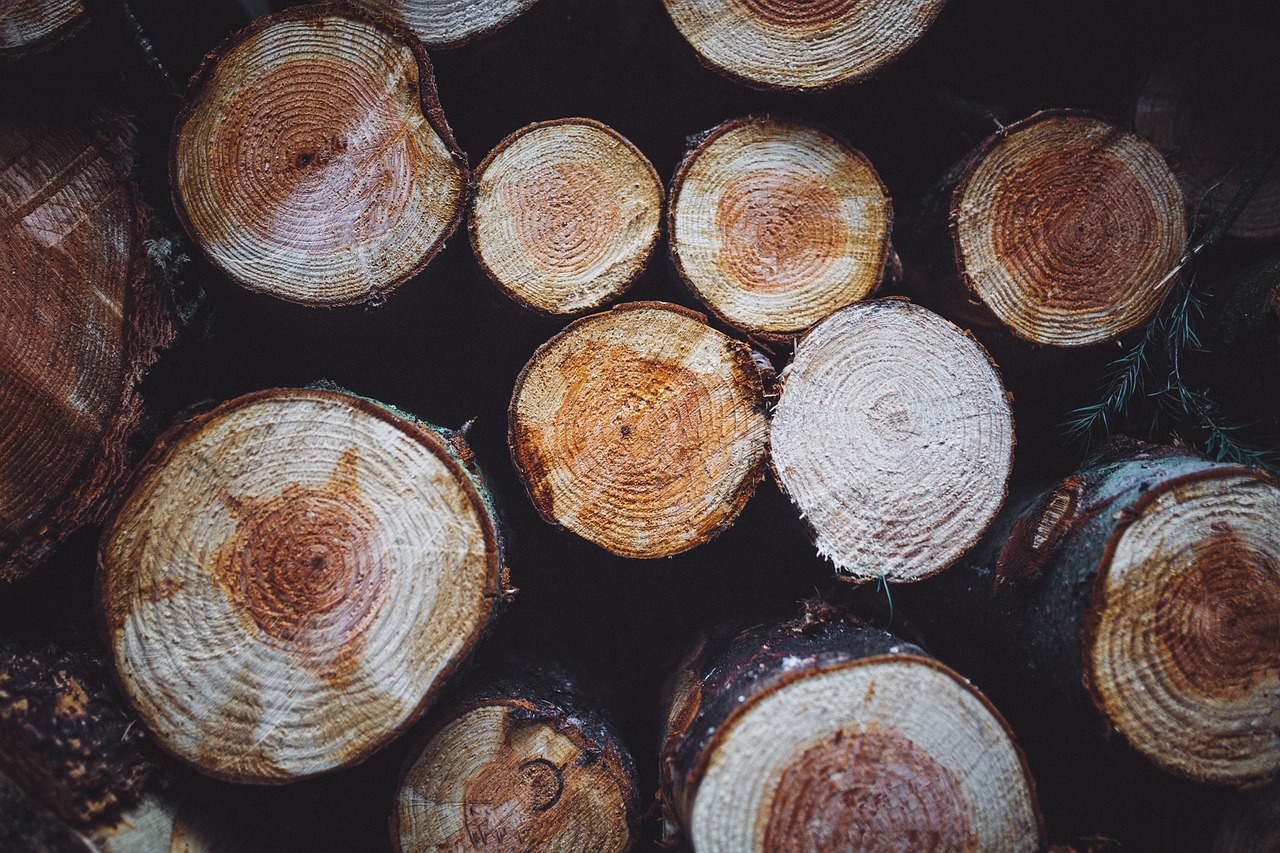
On Ace Hardware’s public lumber and building-supplies pages, lumber is commonly grouped with building supplies, lumber and trim. The online category has included dimensional boards, plywood and panel products, stakes, dowels, molding, shims and related finishing pieces. That mix is useful for homeowners who need a few pieces rather than a full framing package.
Selection can include softwood boards for general projects, hardwood or appearance boards for shelving and furniture details, plywood or MDF panels for backing and built-ins, and pressure-treated lumber for outdoor applications. Ace’s online category has also described a broad range of small-format lumber sizes, including shorter lengths that are easier to transport in a car. That convenience is one reason shoppers choose Ace for patching a fence rail, replacing a shelf, building a small workbench or picking up one sheet-good panel for a repair.
Online availability, however, is not the same as guaranteed local shelf stock. Before planning a project around a specific species, grade or length, set your local store on the Ace website or app and call the store if the project depends on an exact material. This is especially important for treated lumber, 4×4 posts, plywood thicknesses, hardwood boards, unusually straight boards and any order where color or grain match matters.
Match the lumber type to the job
Common boards and trim
Pine and similar softwood boards are often a practical choice for painted shelves, simple framing, blocking, utility benches and shop fixtures. They are easy to cut and fasten, but they can dent more easily than denser hardwoods. Oak and other hardwood appearance boards cost more, but they can be better for visible shelves, furniture details and trim pieces that need a tougher surface or a stain-grade look.
Cedar is frequently selected for weather-facing projects such as small garden structures or fence repairs because it performs better outdoors than many untreated interior boards. Even so, outdoor wood still needs good detailing: seal end grain where appropriate, avoid trapped water, use compatible fasteners and follow local code for structural or deck work.
Plywood, MDF and sheet goods
Plywood and MDF solve different problems. MDF is flat and smooth for painted interior projects, templates and cabinet-like surfaces, but it is not a good choice where moisture exposure is likely. Plywood is better when you need layered strength, screw-holding ability or a panel that can bridge supports.
For structural panels, do not shop by nickname alone. APA, the engineered wood association, explains that panel stamps and bond classifications matter. A panel marked Exposure 1 is designed to tolerate moisture during construction or limited exposure, while Exterior panels are intended for repeated wetting and drying or long-term weather exposure. A common mistake is assuming every panel called CDX is an exterior panel. For sheds, exterior repairs and floor or wall sheathing, read the stamp and match the panel to the exposure conditions.
Pressure-treated lumber
Pressure-treated lumber is not one single product. The American Wood Protection Association uses a system of use categories to describe exposure conditions, including interior dry, interior damp, above-ground exterior and ground-contact conditions. For a mailbox post, deck component, fence post or garden project, check the end tag for the appropriate use category rather than relying on the words treated lumber alone.
For ground contact or areas that stay wet, choose material labeled for that service condition. For above-ground projects that drain and dry, a different treated product may be acceptable. When in doubt, ask the store to identify the treatment category, then compare it with your local code and project requirements.
Check sizes, grades and stamps before you buy
One of the most common lumber mistakes is confusing nominal size with actual size. U.S. softwood lumber standards use familiar names such as 2×4, but a dry surfaced 2×4 is typically 1.5 inches by 3.5 inches. That difference affects shelf depth, frame openings, cut lists and hardware fit. If the project has tight dimensions, measure the board instead of building from the label alone.
Grade and stamp information matter for any structural use. A grade stamp can tell you the grading agency, species or species group, grade and moisture condition. For nonstructural shelves and trim, appearance may matter more than grade strength. For joists, rafters, studs, decks, ramps or anything that carries people or significant loads, use code-approved material and consult the project plan, local code or a qualified professional.
| What to inspect | What to look for | Why it matters |
|---|---|---|
| Straightness | Sight down the edge and face for bow, crook and twist | Warped boards waste time and make assemblies harder to square |
| Surface quality | Check knots, splits, dents, checking and torn grain | Defects may be acceptable for blocking but not for visible trim |
| Moisture and storage | Look for wet, stained or moldy boards | Wet lumber can shrink, twist or affect paint and glue performance |
| Grade stamp or end tag | Confirm grade, treatment and exposure information | Stamps help match lumber to structural or outdoor requirements |
| Actual dimensions | Measure thickness, width and panel thickness | Nominal labels do not always match the size used in your cut list |
How pickup, delivery and returns affect the purchase
Ace can be especially useful when speed matters. Ace’s customer-service information describes free in-store pickup for eligible in-stock items at participating stores, with some store-fulfilled orders available quickly when placed before closing cutoffs. The same customer-service information notes that warehouse-fulfilled pickup can send eligible items to a local store for pickup, which may help when the exact item is not stocked locally. See also: Fasteners.
Delivery from store is also available at participating locations. Ace describes same-day, next-day and standard delivery options depending on the store, item and address. Ace Rewards members may qualify for free delivery from store on qualifying in-stock online orders of at least $50, but exclusions can apply to bulky items, same-day delivery, special delivery areas and other situations. For lumber, the practical issue is size and weight: long, heavy or bulky materials may involve fees or delivery limits, so confirm the total delivered cost before comparing prices.
Returns deserve a separate check. Ace’s online return policy generally applies to purchases made through acehardware.com, while local Ace stores can have their own customer-service and return rules. The official online policy refers to a 30-day return window for many online purchases if items are unused, uninstalled and in original packaging, but lumber can become difficult to return once it is cut, damaged, installed or altered. Ask about returns before the store cuts a board or loads a special order.
When Ace makes sense and when another supplier may be better
Ace Hardware is often a strong choice for small, time-sensitive projects. If you need two straight boards, a short panel, a few trim pieces, screws, anchors, brackets, sandpaper and paint in one trip, a local Ace can be efficient. Staff may also be familiar with neighborhood repair patterns, local weather concerns and common DIY problems.
A lumberyard or larger building-supply dealer may be better for a full deck package, framing package, engineered lumber order, long lengths, matching lots, contractor delivery, code documentation or high-volume pricing. If your project needs dozens of boards with consistent grade and moisture content, or if it requires special ordering structural products, a dedicated lumber supplier may save time even if the first board price looks similar.
The best approach is to match the supplier to the project. Use Ace for convenience, small quantities, repair materials and add-on hardware. Use a lumberyard when material specification, volume, delivery coordination or structural documentation is the main risk.
A practical checklist before you check out
- Set your local Ace store online before checking availability or pickup timing.
- Call the store for exact lumber stock if the project depends on species, length, treatment or grade.
- Bring a tape measure, cut list and vehicle measurements.
- Inspect every board for warp, splits and moisture before paying.
- Read plywood stamps instead of relying on informal names such as CDX.
- For treated lumber, match the end tag to the exposure condition.
- Ask whether cutting is available, what it costs and whether cut material can be returned.
- Confirm delivery fees for long or bulky items before comparing against another supplier.
- Buy a small waste allowance, especially for boards with knots or visible defects.
- Store lumber flat, supported and dry as soon as you get it home.
Frequently asked questions
Does Ace Hardware sell lumber?
Yes, Ace Hardware can sell lumber through its building-supplies, lumber and trim categories, but the exact selection depends on the local store and item availability. Choose your store online or call ahead before making a special trip.
Is Ace Hardware a good place to buy 2x4s?
It can be a good place for a few 2x4s for repairs, blocking, small frames or weekend builds. For large framing quantities, long lengths or strict grade requirements, compare a lumberyard or building-supply dealer.
Can Ace cut lumber for me?
Some Ace locations may offer cutting or lumber services, but it is not safe to assume every store does. Call your local store before buying, and ask whether there are limits on cut quantity, cut accuracy, angles, fees and returns on cut material.
Can I return lumber bought from Ace?
Return rules depend on how and where the lumber was purchased. Ace’s online return policy is not necessarily the same as every local store’s policy. Unused, uncut and originally packaged items are usually easier to return than lumber that has been cut, installed, stained or damaged.
What should I check first when buying treated lumber?
Check the end tag. Look for the treatment category and intended exposure condition, especially if the wood will touch soil, concrete, water or a damp outdoor area. For decks, posts and structural outdoor work, follow local code and manufacturer guidance.