Rubber o ring buying guide for material, size and sealing performance
a[data-rs-seo-link]{text-decoration:underline!important;color:#1a56db!important;cursor:pointer!important;}a[data-rs-seo-link]{text-decoration:underline!important;color:#1a56db!important;cursor:pointer!important;}
Start with the seal conditions, not the catalog page
A rubber o ring is a simple circular seal, but selecting one correctly is not just a matter of matching diameter. The correct choice depends on the fluid or gas it contacts, operating temperature, pressure, movement, groove geometry, hardness and any regulatory requirement. NBR may work well for many petroleum-oil applications, EPDM is often preferred for water and steam, FKM is used where fuel and chemical resistance are needed, and silicone is useful in wide-temperature static sealing where tear strength is less demanding. For more practical sourcing articles, see the Breezcats Buying Guides section. The safer buying approach is to define the application first, then choose the compound, size standard and documentation package that fit that use.
What a rubber O-ring does in a sealing system
An O-ring seals by being compressed between two mating surfaces. That initial compression, often called squeeze, creates contact stress before pressure is applied. When system pressure rises, the elastomer is pushed more firmly against the sealing surfaces. This is why a small component can seal effectively in hydraulic, pneumatic, plumbing, appliance, pump, valve and enclosure applications.
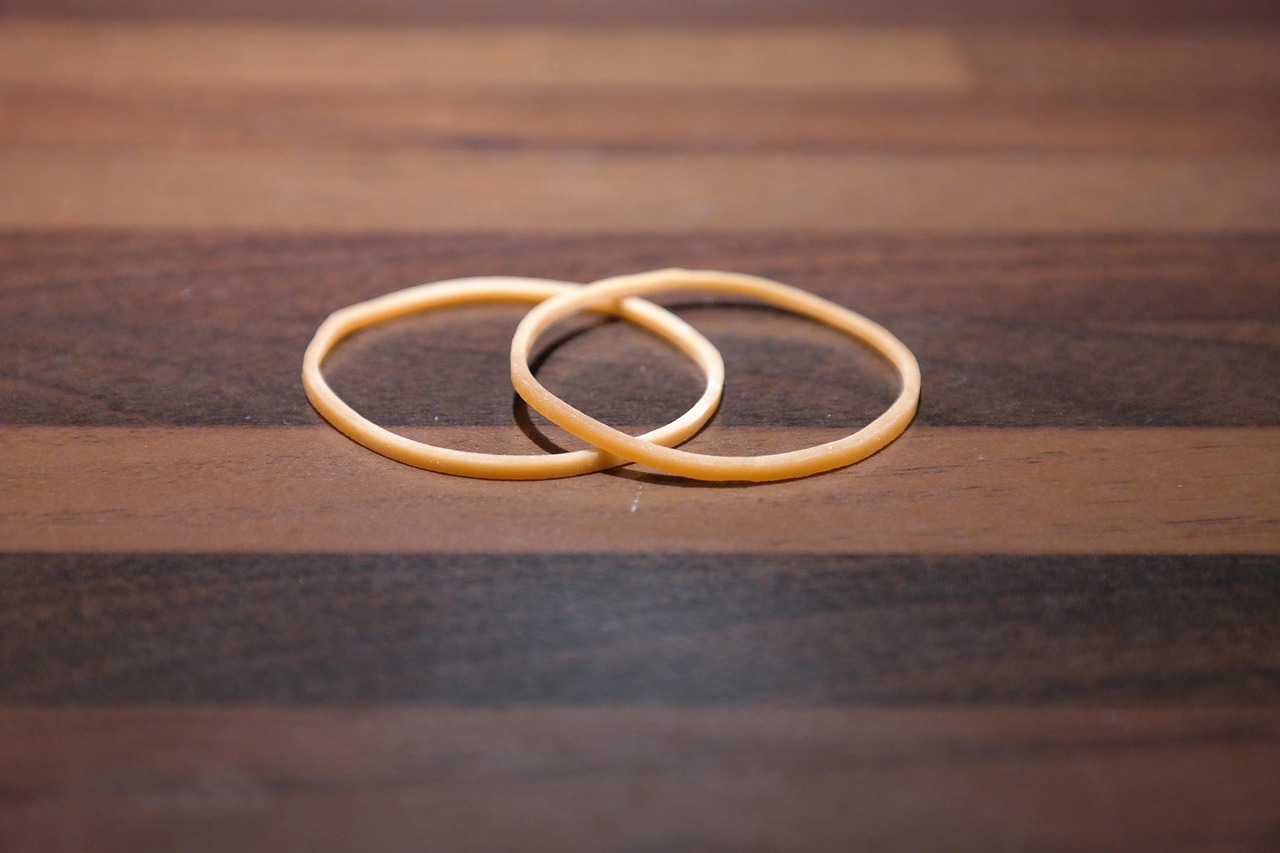
The simple shape can be misleading. An O-ring is not only a material choice; it is part of a system that includes the groove, surface finish, clearance gap, lubricant, assembly method and operating cycle. A seal that performs well in a static face groove may fail quickly in a reciprocating shaft groove because dynamic service adds friction, heat, wear and possible twisting.
Technical references such as the Parker O-Ring Handbook generally separate applications into static seals, where there is no relative motion after assembly, and dynamic seals, where the O-ring moves against a surface. Static applications are usually more forgiving. Dynamic applications need closer attention to lubrication, surface finish, hardness, squeeze and compound abrasion resistance.
Match the material to the media and temperature
The first buying mistake is choosing a material by name alone. The same polymer family can be made into many different compounds, and additives, cure system, hardness and certification can change performance. Use material names as a starting point, then confirm compatibility with the exact fluid, concentration, temperature and exposure time.
| Material | Common buying use | Useful strengths | Important limits to check |
|---|---|---|---|
| NBR, also called nitrile or Buna-N | General oil, grease, hydraulic and pneumatic service | Good balance of cost, mechanical properties and petroleum-oil resistance | Not the first choice for ozone, sunlight, weathering or some polar fluids |
| EPDM | Water, steam, brake-fluid and outdoor sealing applications | Good resistance to weathering, ozone and many water-based media | Usually poor for petroleum oils, fuels and many hydrocarbon fluids |
| FKM, often associated with Viton-type compounds | Fuel, oil, chemical and higher-temperature industrial service | Strong resistance to many fuels, oils and chemicals | Performance varies by FKM type; hot water, steam and some amines may require special review |
| Silicone, VMQ | Static sealing where broad temperature flexibility is useful | Good low-temperature flexibility and clean appearance options | Lower tear and abrasion resistance than many other elastomers; not ideal for many dynamic seals |
| HNBR | Automotive, refrigeration and higher-performance oil service | Better heat, ozone and mechanical resistance than standard NBR in many compounds | Usually higher cost than NBR and still requires fluid-specific compatibility checking |
| FFKM | Severe chemical and high-temperature service | Very broad chemical resistance in specialty applications | High cost; often unnecessary unless cheaper elastomers cannot meet the exposure conditions |
Temperature should be treated as a range, not a single maximum number. A catalog value may describe short-term exposure, while continuous operation, compression set, chemical exposure and pressure can reduce practical service life. Low temperature can make a seal less elastic. High temperature can accelerate hardening, swelling, relaxation or cracking. If the application cycles between hot and cold, include both extremes in the purchase specification.
Choose the right size standard and measurement method
O-rings are normally specified by inside diameter and cross-section. In North American inch-based systems, SAE AS568 dash numbers are widely used. In metric and international fluid-power applications, ISO 3601 is a common reference. These standards help buyers avoid vague descriptions such as “small black rubber ring” and make replacement parts easier to source.
If you are replacing a failed seal, do not rely only on the old ring’s current dimensions. Used elastomers can swell, flatten, shrink, harden or stretch. A better method is to measure the groove or hardware, check the equipment manual if available, and then compare the required inside diameter and cross-section with a recognized size chart. For maintenance teams, recording the dash size or metric dimension after verification can prevent repeated guesswork.
Cross-section matters because it affects squeeze, available sealing force, tolerance sensitivity and how well the O-ring fills the gland. A very thin cross-section can be sensitive to small machining errors. A larger cross-section can tolerate more variation, but it also requires more installation space and compression force. When there is no existing standard size, groove design should be calculated rather than forced around a convenient ring from a mixed kit.
Hardness, squeeze and groove design affect sealing life
Hardness is commonly expressed as Shore A durometer. Many general-purpose O-rings are supplied around 70 Shore A because it balances flexibility, sealing force and durability in many static and moderate service conditions. Softer compounds can seal with lower closure force and may help in low-pressure or vacuum applications, but they can extrude more easily through clearance gaps. Harder compounds, such as 90 Shore A materials, can resist extrusion better, but they need more force to compress and may not seal as easily on imperfect surfaces.
Squeeze should be designed, not guessed. Parker design guidance notes that dynamic O-ring applications generally use lower squeeze than static applications because friction and wear become more important. The same source discusses approximately 30 percent as a high-end squeeze region for many static elastomer seals, while dynamic designs are commonly kept much lower. These values are design references, not universal rules, because cross-section, compound, temperature and groove type all matter.
Gland fill is another important check. The O-ring needs enough room for thermal expansion, fluid swell and manufacturing tolerance. If the gland is overfilled, the seal can be pinched, cut or overloaded during assembly. If it is under-compressed, leakage may appear at low pressure or during temperature changes. For high pressure, the clearance gap between metal parts becomes critical because the rubber can be forced into that gap.
Pressure, motion and backup rings
Pressure does not act alone. Extrusion risk depends on pressure, clearance gap, material hardness, temperature and whether the parts move. At higher pressure, an elastomer can be pushed into the clearance gap and develop ragged or nibbled edges. Backup rings are used in many high-pressure glands to block that gap and support the softer sealing ring.
Dynamic motion adds failure modes that are not common in simple static covers. Reciprocating seals can wear, twist or spiral if the groove is too loose, lubrication is poor or friction is uneven. Rotary applications are even more sensitive because heat builds at the contact surface. In these cases, an O-ring may not be the best seal type unless the speed, lubrication and design are within accepted limits.
For buyers, the practical question is whether the O-ring is sealing a stationary joint, a moving piston, a rod, a rotating shaft or a removable cap. The same material and size can behave differently in each case. If the application involves movement, specify surface finish, lubricant, speed and cycle frequency along with material and size. See also: Fasteners.
Food, water and regulated applications need compound-specific documentation
A material family does not automatically make an O-ring compliant for food, drinking water, medical or pharmaceutical use. Silicone, EPDM and FKM can all be made into compounds for clean or regulated applications, but the buyer still needs documentation for the exact compound being supplied.
In the United States, FDA 21 CFR 177.2600 covers rubber articles intended for repeated use in food-contact applications and includes extraction limits for aqueous and fatty food contact. This does not mean every rubber O-ring is automatically suitable for food contact. It means the finished rubber article and its formulation must fit the requirements of the intended food-contact use. For drinking water, buyers may also encounter NSF/ANSI/CAN 61 or other project-specific approvals, depending on the application and jurisdiction.
When compliance matters, ask for the material data sheet, compound number, certificate or declaration, cure system if relevant, colorant information and traceability. Avoid substituting a visually similar O-ring from a general repair kit into a regulated process unless the material and documentation are confirmed.
Failure signs that help buyers correct the specification
Failed O-rings often show why the previous choice was wrong. A flattened ring that no longer rebounds suggests compression set, often related to heat, time, excessive squeeze or poor compound selection. Swelling or softening may point to chemical incompatibility. Cracking can indicate ozone, heat aging, weather exposure or unsuitable storage. Cuts on one side often suggest installation damage or sharp hardware edges.
- Ragged edges or missing bites can indicate extrusion through a clearance gap.
- Spiral marks in dynamic service can suggest twisting, uneven friction or poor gland design.
- Hard, brittle material can indicate heat aging or chemical attack.
- Sticky, swollen material usually points to fluid incompatibility.
- Clean cuts may come from assembly tools, burrs or insufficient lead-in chamfers.
Before reordering, document the failure location, operating conditions and installation history. Replacing the ring with the same part may restore the seal temporarily, but it will not solve a mismatch in material, hardness, groove geometry or pressure design.
A practical rubber O-ring buying checklist
A useful purchase specification should be short but complete. Include enough information for a supplier or engineer to identify the correct compound and size without guessing. If a drawing is available, use it. If not, create a basic record before ordering replacements.
- Define the media, including concentration, additives and cleaning chemicals.
- List minimum, normal and maximum operating temperatures.
- State whether the seal is static, reciprocating, rotary or frequently assembled and removed.
- Record pressure, vacuum conditions and pressure cycling.
- Specify size by AS568 dash number, ISO 3601 metric size or verified inside diameter and cross-section.
- Choose material family and compound requirements, not just color.
- Specify hardness, commonly Shore A, when design requirements are known.
- Request compliance documents where food, water, medical or safety rules apply.
- Check storage age, packaging and exposure to heat, ozone or sunlight.
- Review failure evidence before buying the same replacement again.
A rubber O-ring should be purchased as an engineered sealing component, not as a generic rubber washer. The lowest-cost part is rarely economical if it causes downtime, leakage or repeated maintenance.
Frequently asked questions
What is the difference between NBR and EPDM O-rings?
NBR is commonly selected for petroleum oils, greases and many hydraulic applications. EPDM is commonly selected for water, steam, weathering and many water-based chemicals. They should not be treated as interchangeable because EPDM is usually poor with petroleum oils, while NBR is not usually the first choice for ozone and outdoor weathering.
Is a 70 Shore A rubber O-ring always the right choice?
No. A 70 Shore A compound is common because it works in many general applications, but low-pressure sealing, high-pressure extrusion risk, rough surfaces, dynamic motion and assembly force can justify a softer or harder material. Hardness should be checked with groove design and pressure conditions.
Can I measure an old O-ring to find the replacement size?
You can use an old O-ring as a clue, but it may no longer show its original dimensions. Heat, swelling, compression set and stretching can change the size. When possible, confirm the groove dimensions, equipment documentation or standard dash size before ordering.
Are silicone O-rings better than rubber O-rings?
Silicone is one type of rubber elastomer, not a universal upgrade. It can be useful for clean, static and broad-temperature applications, but it often has lower tear and abrasion resistance than materials such as NBR, HNBR or FKM. The better choice depends on the media, temperature, motion and compliance requirements.