Brass fasteners explained for corrosion resistance and precision assembly
a[data-rs-seo-link]{text-decoration:underline!important;color:#1a56db!important;cursor:pointer!important;}a[data-rs-seo-link]{text-decoration:underline!important;color:#1a56db!important;cursor:pointer!important;}
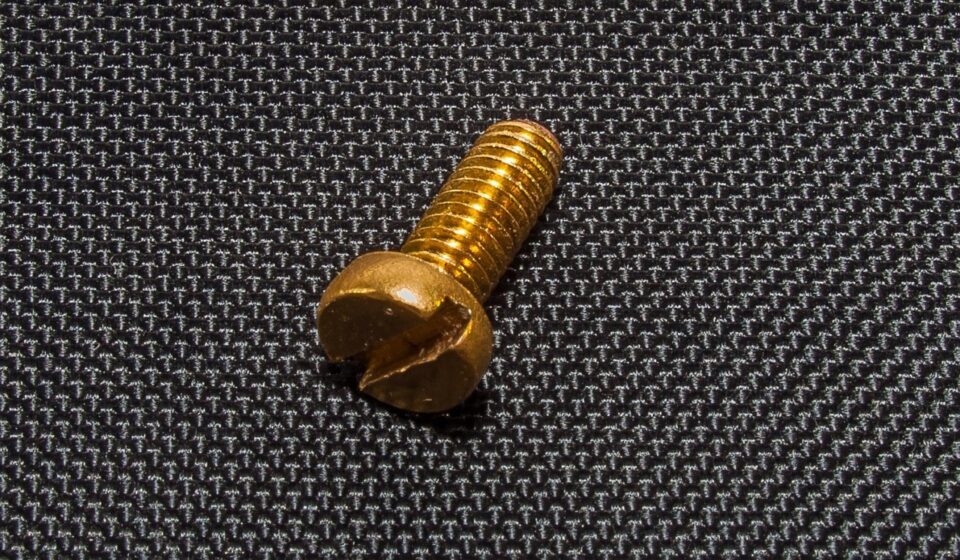
Brass fasteners are screws, nuts, bolts, washers, rivets and threaded parts made from copper-zinc alloys rather than carbon steel or stainless steel. They are typically selected when an assembly needs moderate strength along with good corrosion behavior, a finished yellow-gold appearance, electrical conductivity or efficient machining. They should not be treated as drop-in replacements for high-strength steel fasteners. Alloy selection matters: a free-machining brass screw, a naval brass bolt and a lead-free plumbing component can have different strength, corrosion and compliance limits. The practical specification question is whether the alloy, thread form, environment and certification requirements match the job.
Why brass is used for fasteners
Brass brings several useful properties into one material family. Copper contributes corrosion resistance and conductivity, while zinc changes strength, color and workability. In many indoor, decorative, electrical and light-duty mechanical assemblies, brass fasteners provide enough strength with a surface that can look finished without paint or decorative plating.
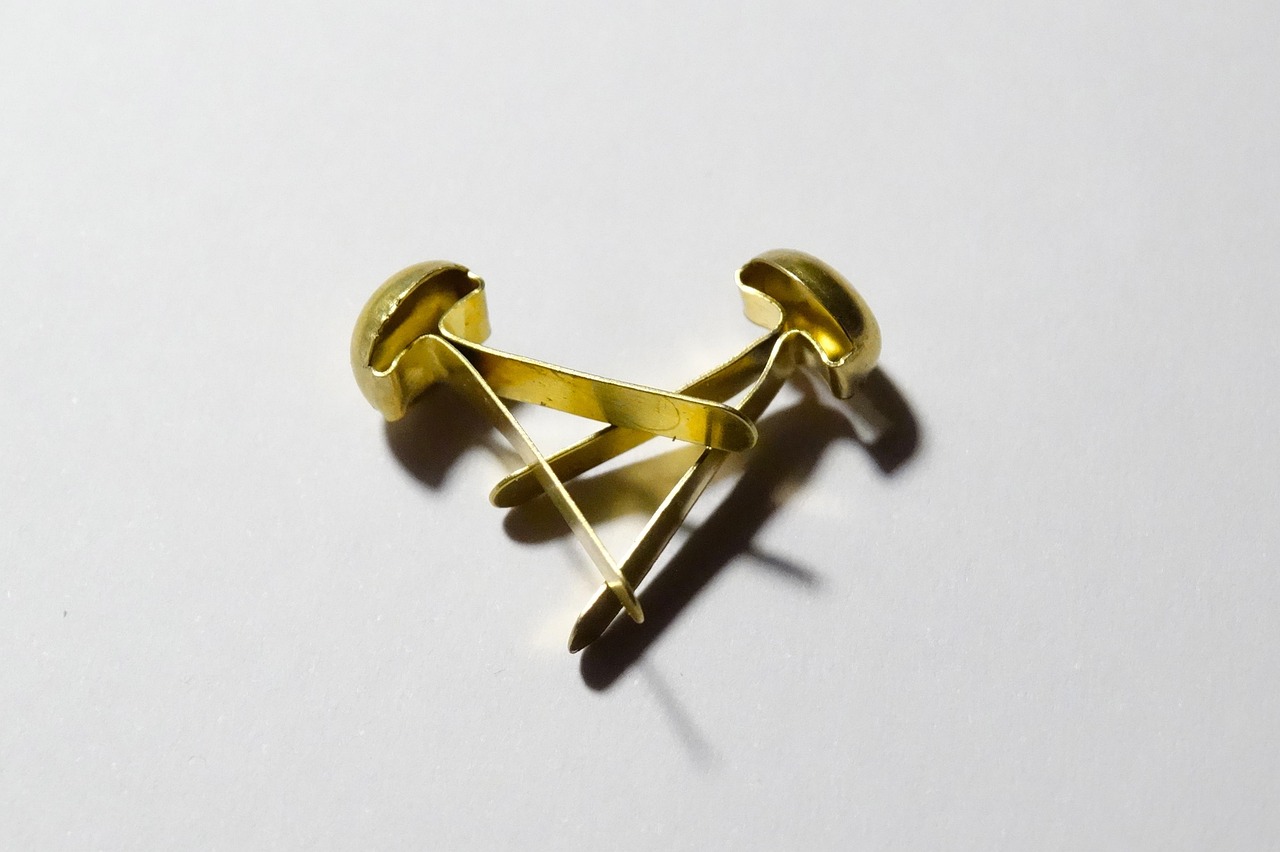
Machinability is one of the main manufacturing reasons to choose brass. Free-cutting brass UNS C36000 is widely used for screw-machine parts because it can be turned, drilled, tapped and knurled efficiently. ASTM describes B16/B16M as the specification for free-cutting brass rod, bar, wire and shapes made from UNS C36000 for high-speed screw machining and moderate thread rolling. (store.astm.org) The Copper Development Association also identifies C36000 as the free-machining wrought brass bar alloy with a machinability rating of 100, a common benchmark for comparing copper alloys. (archive.copper.org)
That machining behavior explains the use of brass in slotted machine screws, thumb screws, electrical terminal screws, inserts, standoffs, decorative acorn nuts and custom turned fasteners. It also helps producers make clean threads and consistent surface finishes, especially on small-diameter parts where burrs, tool wear and dimensional repeatability can affect assembly quality.
Common brass fastener forms and applications
Brass fasteners are most often used where corrosion resistance, appearance or electrical behavior is more important than maximum tensile strength. Typical applications include:
- Electrical equipment: terminal screws, grounding parts, switchgear hardware and connectors where conductivity is useful.
- Decorative hardware: furniture, lighting, door hardware, display fixtures and architectural details where the yellow brass color is part of the design.
- Marine-adjacent and outdoor hardware: selected non-critical assemblies, especially when naval brass or another corrosion-resistant copper alloy is specified.
- Instrumentation and precision assemblies: small screws, spacers, inserts and custom turned parts where clean machining and dimensional control matter.
- Plumbing-related components: only when the material and finished component meet the applicable drinking-water rules for the intended market.
For general fastener selection across material families, related coverage is available in the Fasteners section.
Alloy choice matters more than the word brass
“Brass” is a broad term. Two fasteners can both be brass but behave differently in machining, corrosion, dezincification resistance and regulatory compliance. Buyers should ask for the UNS alloy number instead of relying only on color, appearance or a generic product listing.
| Alloy or material description | Typical fastener relevance | Selection note |
|---|---|---|
| UNS C36000 free-cutting brass | Machined screws, inserts, standoffs and turned parts | Excellent machinability; conventional C36000 contains lead for machining performance, so it is not automatically suitable for wetted potable-water use. |
| UNS C26000 cartridge brass | Stamped parts, some nuts and light hardware | Good cold-workability; check strength and forming route against the fastener design. |
| UNS C27000 yellow brass | General brass hardware and some nonferrous nut specifications | Useful where a traditional yellow brass appearance is desired; confirm the applicable standard and mechanical requirements. |
| UNS C46400 naval brass | Marine and architectural hardware where specified | Contains tin for improved seawater-related corrosion behavior compared with ordinary brass, but it is still not a high-strength structural fastener by default. |
| Lead-free or low-lead brass alloys | Potable-water components and regulated plumbing parts | Must be evaluated under the applicable lead-content and certification rules rather than assumed compliant from the name alone. |
ASTM F467 covers nonferrous nuts for general use, and ASTM’s public scope states that bolts, cap screws and studs used with nuts covered by F467 are covered by ASTM F468. (store.astm.org) ASTM F468 covers nonferrous bolts, hex cap screws, socket head cap screws and studs for general use, with a separate metric companion standard. (store.astm.org) These standards help purchasing and engineering teams work from defined alloy, size and mechanical requirements instead of a vague “brass hardware” description.
Where brass fasteners perform well
Decorative and visible assemblies
Brass has a warm metallic color that suits lighting fixtures, furniture, cabinet hardware, musical instruments, signage and restoration work. Unlike a thin decorative coating, the color is part of the base material, so minor scratches do not expose a different metal underneath. Brass can still tarnish over time. If the design requires a bright or stable appearance, the finish system and maintenance expectations should be specified.
Electrical and electronic assemblies
Because brass is a copper alloy, it is often selected for electrical terminal screws, contact hardware and grounding-related components. The exact conductivity depends on the alloy, temper and manufacturing route, so electrical designs should use verified material data rather than assuming all brass grades perform the same way.
Precision machined fasteners
Small fasteners with special shoulders, slots, knurls, captive features or internal threads can be economical in free-machining brass. In production, good machinability can reduce burr formation and support tighter dimensional control. This is especially relevant for custom inserts, spacers, standoffs and instrument screws where the fastener also functions as a precision component.
Where brass fasteners need caution
Brass is not the default choice for highly loaded structural joints. If the joint carries safety-critical tension, shear or fatigue loads, designers should compare the required performance with a recognized fastener grade or specification. Steel, alloy steel, stainless steel, silicon bronze or other nonferrous alloys may be more appropriate, depending on the environment and load case.
Corrosion behavior also depends on exposure. Brass generally resists many indoor and atmospheric conditions, but it can suffer dezincification in some waters and stress corrosion cracking in ammonia-containing environments. In marine service, a generic yellow brass screw should not be treated as equivalent to a specified naval brass or silicon bronze fastener. The safer approach is to define the alloy and the service environment together.
Dissimilar-metal contact is another design issue. Galvanic corrosion requires an electrical path and an electrolyte such as moisture. The risk increases when metals are far apart in galvanic behavior, when the less noble metal has a small exposed area relative to the more noble metal, or when the joint traps water. In mixed-metal assemblies, insulation washers, sealants, coatings and drainage details may matter as much as the fastener material itself. See also: Buying Guides.
Lead, potable water and compliance checks
One of the most important limits for brass fasteners is lead content. Traditional free-machining brass uses lead to improve machining. That may be acceptable for many industrial and decorative parts, but it creates a compliance question for products that contact drinking water.
The U.S. Environmental Protection Agency explains that the Safe Drinking Water Act defines “lead free” for pipes, pipe fittings, plumbing fittings and fixtures as a weighted average of 0.25 percent lead across wetted surfaces, with a separate 0.2 percent limit for solder and flux. (epa.gov) NSF describes NSF/ANSI/CAN 372 as the standard method for determining and verifying lead-content compliance for drinking-water system components, including the 0.25 percent requirement for most components. (nsf.org)
For buyers, this means a brass fastener inside a non-wetted decorative housing may have a different compliance requirement from a brass component exposed to potable water. A purchase order should state the required alloy, certification, wetted-surface status and any applicable national or local regulation. “Brass” alone is not enough information.
How to specify brass fasteners more clearly
A clear fastener specification reduces substitution risk. At minimum, technical buyers should define the part form, thread, alloy, finish, applicable standard and documentation requirement. The following checklist is a practical starting point:
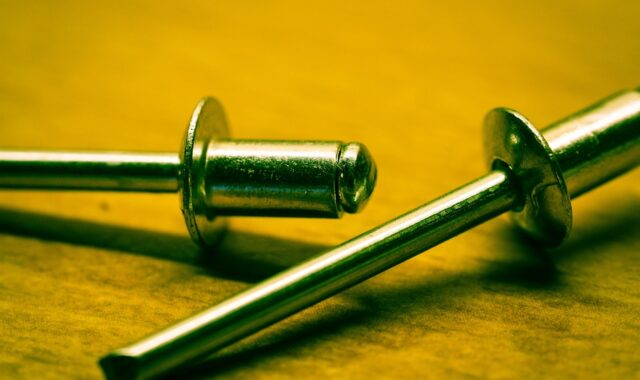
- Fastener type: machine screw, wood screw, bolt, nut, washer, insert, rivet, standoff or custom turned part.
- Thread details: inch or metric series, diameter, pitch, thread class and engagement length.
- Alloy: UNS number such as C36000, C26000, C27000 or C46400, rather than a color-only description.
- Standard: ASTM B16/B16M for C36000 bar stock when relevant, ASTM F467 for nuts or ASTM F468/F468M for nonferrous bolts, cap screws and studs where applicable.
- Strength and hardness: proof load, tensile requirement or hardness range if the joint depends on mechanical performance.
- Environment: indoor, outdoor, marine, electrical, humid, chemical, potable-water or high-temperature exposure.
- Finish: plain brass, polished, lacquered, nickel-plated, tin-plated or another finish system.
- Documentation: material certificate, certificate of compliance, lead-content certification or inspection report when required.
As a practical rule, brass fasteners are strong candidates when the assembly needs corrosion resistance, appearance, conductivity or machinability with moderate mechanical demand. They are weaker candidates when the joint requires high preload, structural strength, unknown chemical exposure or drinking-water compliance without verified material documentation.
Frequently asked questions
Are brass fasteners rust proof?
Brass does not rust in the same way as iron or carbon steel because it has no iron base metal. However, it can tarnish, dezincify or corrode under certain water, chemical or galvanic conditions. “Rust proof” is therefore less precise than saying brass offers good corrosion resistance in many suitable environments.
Are brass screws stronger than stainless steel screws?
Usually no. Brass screws are generally selected for machinability, appearance, conductivity or corrosion behavior, not for maximum strength. Stainless steel or alloy steel fasteners are often better choices when tensile strength, fatigue resistance or high clamp load is the main requirement.
Can brass fasteners be used outdoors?
Yes, in many light-duty outdoor applications, but the alloy and exposure matter. Rain-wetted decorative hardware is different from saltwater immersion, chemical exposure or a safety-critical joint. For harsher service, specify the alloy and review galvanic compatibility with adjoining metals.
Is all brass suitable for plumbing or drinking-water contact?
No. Potable-water components must meet applicable lead-content and certification requirements. Traditional free-machining brass may contain lead for machinability, so buyers should request the correct lead-free or low-lead alloy and documentation for wetted drinking-water use.
Why do brass fasteners cost more than basic steel fasteners?
Material cost, alloy content, production method and lower commodity volume can make brass fasteners more expensive than plain carbon steel hardware. The added cost may be justified when it avoids plating, improves appearance, supports electrical function or simplifies precision machining.