How to choose wall fasteners for drywall, masonry, concrete, and studs
a[data-rs-seo-link]{text-decoration:underline!important;color:#1a56db!important;cursor:pointer!important;}a[data-rs-seo-link]{text-decoration:underline!important;color:#1a56db!important;cursor:pointer!important;}
Quick answer
Start by identifying what the wall is made of, not by relying only on the load number printed on a fastener package. A screw driven into a wood stud, a toggle anchor bearing against hollow drywall, a masonry screw cutting into brick and an expansion anchor gripping concrete all work in different ways. The right wall fastener depends on the base material, load direction, fixture weight, wall condition, corrosion exposure and whether the connection is structural or safety related. Light decorative items may only need common drywall anchors. Cabinets, handrails, equipment brackets, ledger boards, façade components and sill plates often require manufacturer data, code approval or engineering review. For broader fastening topics, see the Fasteners category.
What wall fasteners are designed to solve
Wall fasteners are the connection between a fixture and the material behind it. Their job is to transfer load without pulling out, shearing off, cracking the wall or damaging the fixture. A fastener that is suitable in one wall can be a poor choice in another.
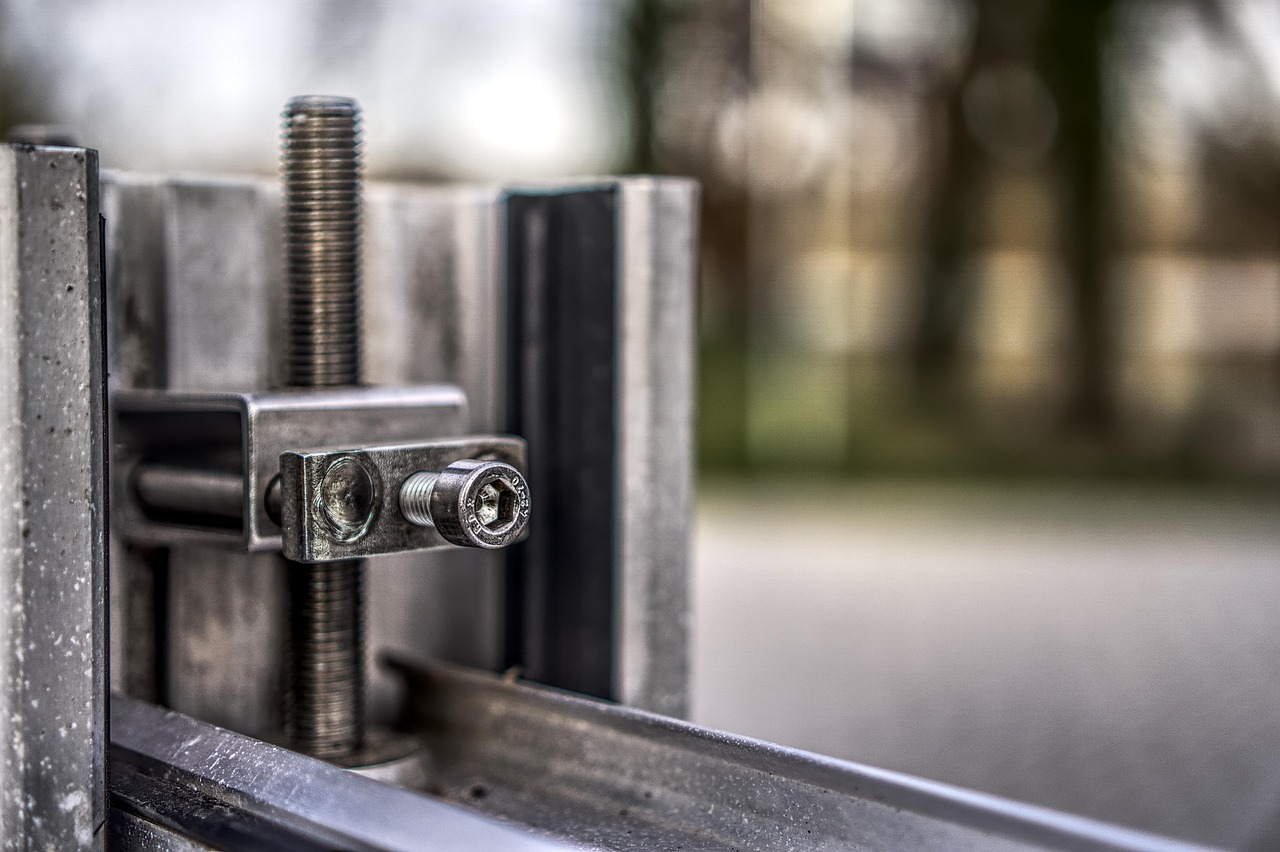
Most selection problems start when different wall types are treated as if they perform the same way. Drywall is a finish material with limited strength. Wood studs provide a more reliable load path when the screw has enough penetration and the stud is sound. Concrete and solid masonry can support higher loads, but only when the anchor type, hole diameter, embedment depth and edge distance fit the application. Hollow block, old brick and plaster over lath need extra caution because the visible surface may not show the actual load-bearing material behind it.
Load direction matters as much as material. A picture frame mainly applies a downward shear load. A shelf bracket creates both downward and outward force. A handrail may see sudden impact loads. A wall-mounted cabinet can place sustained tension on the upper fasteners. Outdoor fixtures add moisture, temperature movement and possible corrosion. The fastener has to match the whole installation, not just the stated weight of the object.
Common wall fastener types and where they fit
The table below summarizes typical wall fastener categories. It is not a substitute for manufacturer instructions, local building codes or engineering design, but it can help narrow the first decision.
| Fastener type | Typical wall material | Common use | Important limitation |
|---|---|---|---|
| Wood screws or structural screws | Wood studs or wood blocking | Cabinets, shelves, brackets and trim | Performance depends on screw diameter, penetration, wood condition and spacing. |
| Plastic expansion anchors | Drywall, plaster or light masonry depending on product | Light décor and small accessories | Often unsuitable for heavy, dynamic or overhead loads. |
| Self-drilling drywall anchors | Drywall | Small shelves, hooks and light fixtures | Strength is limited by the drywall panel, not just the anchor. |
| Toggle bolts and snap toggles | Hollow drywall or hollow block | Medium-duty items where no stud is available | Need enough cavity depth and a sound wall face. |
| Masonry screws | Concrete, brick or masonry units | Brackets, tracks, furring strips and fixtures | Require correct pilot hole size and clean drilling. |
| Sleeve, wedge or expansion anchors | Concrete and some solid masonry | Heavier brackets, equipment and base plates | Need proper embedment, edge distance and torque control. |
| Adhesive anchors | Concrete or masonry depending on system | Threaded rods, retrofit anchorage and irregular conditions | Hole cleaning, temperature, cure time and installation procedure are critical. |
| Cast-in-place anchor bolts | Concrete foundations and walls | Sill plates and structural anchorage | Usually governed by drawings, codes or engineered details. |
A practical selection workflow
A reliable fastener choice follows a sequence. Skipping steps can lead to oversized anchors in weak walls or undersized anchors in critical connections.
- Identify the base material. Do not rely only on the surface finish. Use a stud finder, small pilot hole, inspection opening or project drawings when available. Drywall over studs, plaster over lath, brick veneer, solid brick, hollow concrete block and poured concrete behave differently.
- Classify the load. Note the weight of the fixture and its contents, but also consider leverage, vibration, impact and whether people may pull on it. A handrail, wall-mounted television arm or storage rack is more demanding than a flat decorative panel of similar weight.
- Look for a direct load path. If possible, fasten to studs, blocking, concrete or solid masonry instead of relying only on wallboard. Blocking installed before finishing is often the cleanest solution for cabinets, grab bars and repeated-use fixtures.
- Check the fastener data. Use the manufacturer’s published installation instructions and allowable load information for the exact base material. Generic ratings can be misleading if they are based on a different wall type or test condition.
- Match the environment. Indoor dry spaces may accept zinc-plated hardware. Exterior walls, bathrooms, coastal areas, treated wood and masonry exposed to moisture may require corrosion-resistant coatings or stainless steel.
- Decide whether the connection is code related. If failure could injure people, affect structural stability or violate a building permit, treat the fastener as more than a convenience item.
This workflow also helps buyers compare products more clearly. Instead of asking for the strongest wall fastener, define the wall material, load and exposure condition first.
When wall fasteners become a code or engineering issue
Many ordinary household installations can be handled with manufacturer instructions and good workmanship. Wall fasteners become more serious when they are part of a structural load path, life-safety feature or permitted construction detail.
Residential foundation anchorage is a clear example. The 2024 International Residential Code includes prescriptive requirements for anchoring wood sill plates and certain sole plates to concrete or masonry foundations where that code is adopted. Common provisions include minimum 1/2-inch-diameter anchor bolts, maximum 6-foot spacing and minimum embedment into concrete or grouted masonry, subject to the exact code section and local amendments. This is very different from hanging a shelf on drywall; the fastener is part of the building’s resistance to lateral and uplift forces.
Concrete anchors used in higher-load or structural applications are often evaluated through recognized standards and acceptance criteria. ASTM E488/E488M is used for strength testing of anchors in concrete elements. ICC-ES acceptance criteria such as AC193 for mechanical anchors in concrete and AC308 for post-installed adhesive anchors are commonly referenced in evaluation reports. These documents do not tell a homeowner which anchor to buy for a picture frame. They help engineers, code officials and specifiers understand how anchor systems are qualified for defined conditions.
There is also a worker-safety issue. Drilling into concrete, brick, block or stone can generate respirable crystalline silica dust. OSHA’s construction silica standard, 29 CFR 1926.1153, addresses exposure controls for tasks involving materials that contain crystalline silica. On professional jobsites, dust collection, water delivery, respiratory protection or exposure assessment may be required depending on the task and duration.
The practical lesson is straightforward: when the fastener holds a safety-critical element, supports a high or dynamic load, or forms part of permitted construction, do not rely on appearance or habit. Use approved products, published data, project drawings and local code guidance.
Installation details that decide performance
Even the correct fastener can fail if it is installed poorly. For drilled anchors, hole diameter is one of the most important details. A hole that is too small may prevent full seating; a hole that is too large may reduce holding power. Use the bit size specified by the fastener manufacturer, and replace worn bits when they no longer cut accurately.
Embedment depth is also critical. More depth is not automatically better, because the anchor has to match the base material thickness, edge distance and installation method. Too little embedment reduces load capacity. Too much drilling in thin masonry units can break through into a void or weaken the material. See also: Buying Guides.
Hole cleaning is especially important for adhesive anchors and many mechanical anchors. Dust left in the hole can reduce bond strength or prevent the anchor from bearing correctly. Manufacturer instructions may require a specific blow-brush-blow sequence, a vacuum system or a clean, dry hole before adhesive is injected.
Edge distance and spacing should not be ignored. Anchors placed too close to the edge of concrete, brick or block can cause cracking or breakout. Multiple anchors placed too close together may not perform as independent fasteners. This matters for brackets, rail posts, base plates and closely spaced shelf standards.
Torque matters as well. Some expansion anchors depend on controlled tightening to expand properly. Under-tightening can leave the anchor loose, while over-tightening can damage threads, crush the fixture or crack brittle base material. A torque wrench may be necessary where the instructions specify a tightening value.
The fixture itself must be strong enough. A high-capacity anchor does not help if the bracket bends, the mounting hole tears, the drywall face crushes or the shelf material fails. Treat the installation as a system: wall, fastener, fixture and load all have to work together.
Mistakes to avoid when selecting wall fasteners
- Using drywall anchors for dynamic loads. Items that swing, vibrate or get pulled repeatedly need a stronger load path than static décor.
- Trusting package claims without context. Load ratings can depend on test material, installation depth and load direction. Check the conditions behind the number.
- Ignoring hidden wall conditions. Old plaster, water-damaged drywall, cracked masonry or hollow block can reduce performance dramatically.
- Mixing metals without considering corrosion. Moisture, treated lumber and outdoor exposure can accelerate corrosion when incompatible materials are used.
- Assuming bigger is always safer. Oversized anchors can split wood, crack masonry or leave too little edge distance.
- Skipping pilot holes in brittle materials. Proper drilling reduces cracking and helps the anchor seat correctly.
- Forgetting service access. If the fixture may need removal, choose a fastener system that can be inspected, tightened or replaced.
Most failures are not caused by a mysterious defect in the fastener. They usually come from a mismatch between the anchor, the wall and the load.
Frequently asked questions
What are the best wall fasteners for drywall?
For light items, plastic or self-drilling drywall anchors may be adequate if installed as directed. For heavier or more frequently loaded items, toggle-style anchors usually provide better engagement behind the panel. For cabinets, grab bars, railings and adjustable TV mounts, fastening into studs or added blocking is usually more dependable than relying only on drywall.
Are masonry screws the same as concrete anchors?
Masonry screws are a type of anchor used in drilled holes in concrete, brick or masonry. The broader term concrete anchors also includes wedge anchors, sleeve anchors, drop-in anchors, adhesive anchors and cast-in-place bolts. Each type transfers load differently and has different installation requirements.
Can one wall fastener work for every wall material?
No. A fastener that expands in drywall may not work in concrete, and an expansion anchor designed for concrete may crack weak brick or perform poorly in hollow block. Universal anchors can be useful for light-duty mixed materials, but critical loads should be matched to the actual base material.
How much weight can wall fasteners hold?
There is no single safe number. Capacity depends on fastener size, wall material, embedment, load direction, spacing, edge distance, installation quality and safety factor. Use the exact manufacturer data for the fastener and base material, and seek professional design for structural or safety-related applications.
When should a wall fastener installation be engineered?
Engineering review is advisable when the fastener supports structural members, heavy equipment, guardrails, handrails, seismic restraints, façade elements, suspended loads or any item whose failure could cause injury. It is also appropriate when the wall material is unknown, damaged or outside the assumptions in standard product data.