What are snap fasteners and how do you choose the right type?
Snap fasteners in brief
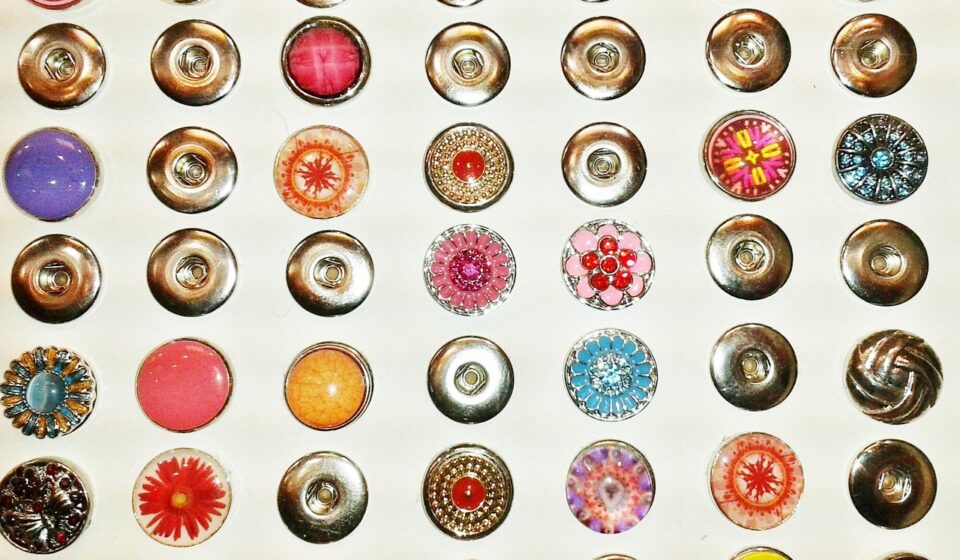
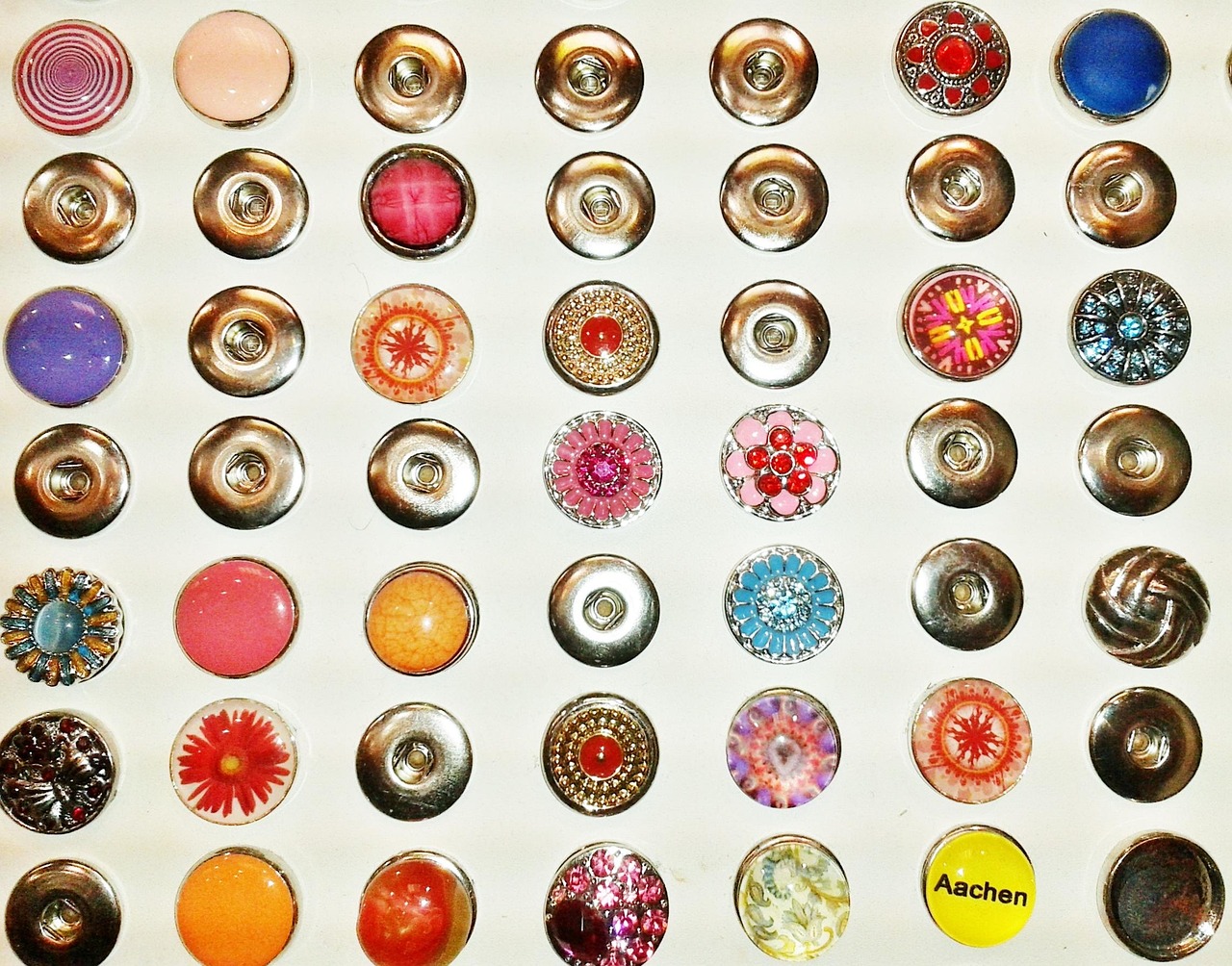
Snap fasteners are two-sided mechanical closures that join and release with hand pressure. A typical four-part set includes a cap, socket, stud, and post or eyelet. The socket and stud create the working snap action, while the cap and post secure the parts to fabric, vinyl, leather, webbing, or another thin material.
For buyers, designers, and maintenance teams, the key question is not only whether a snap will close. It is whether it will hold the required load, suit the material thickness, resist the expected environment, install consistently, and remain safe for the finished product.
Because snap fasteners sit between textile hardware and general mechanical fasteners, selection usually depends on both material knowledge and application context. A snap used on a marine canvas cover faces different risks from one used on a baby garment, a leather pouch, or a removable inspection flap. This guide focuses on practical selection criteria rather than brand claims.
How snap fasteners work
Most snap fasteners use a male-and-female engagement system. The stud enters the socket, and a spring, ring, or formed metal geometry inside the socket grips the stud until enough pull force separates the two halves. The closure is reusable, unlike a permanent rivet, but it gives a more positive hold than a loose hook or tie.
A common four-part snap set is made up of the following components:
- Cap: The visible face, often used on the outside of garments, bags, covers, and upholstery.
- Socket: The functional female component that receives and holds the stud.
- Stud: The functional male component that creates the snap engagement.
- Post, eyelet, or rivet-style shank: The part that passes through the base material and is flared or clinched during installation.
In practical use, post length and clinch quality are as important as visible cap diameter. A post that is too short may not roll over enough material to lock the assembly. A post that is too long can collapse, tilt, or leave the fastener loose. Either condition can lead to early pull-out even when the snap feels strong when tested by hand.
Terminology varies by market. Snap fasteners may also be called press studs, snap buttons, poppers, snap closures, or glove snaps. In hardware purchasing, it is safer to specify the component set, material, finish, cap size, post length, and intended substrate instead of relying on a trade name alone.
Common types of snap fasteners
Snap fasteners are not one universal product. The right type depends on load direction, base material, appearance requirements, and installation method.
Open-ring and prong snaps
Open-ring and prong snaps are common in lighter garments and accessories. Their prongs pierce the material and fold into the mating component. They are useful when a low-profile finish and fast installation matter, but they are usually not the first choice for heavy canvas, thick leather, or applications exposed to strong peeling forces.
Line snaps and heavy-duty snaps
Line snaps, often described by line size in apparel and marine supply channels, are used where higher holding strength is needed. They are common on jackets, workwear, bags, boat covers, and outdoor fabric assemblies. Heavy-duty snap sets usually have larger caps, stronger sockets, and posts suited to thicker or reinforced materials.
S-segment and spring-style snaps
Some sockets use spring or segment features to control engagement force. These styles are selected when repeatable closing feel and retention matter. They can be useful in leather goods, cases, and premium apparel, but the final result still depends on installation alignment and substrate strength.
Sew-on snaps
Sew-on snaps do not clinch through the material. Each half is stitched in place. They are common in soft garments, costumes, and repairs where a tool-set metal snap may damage the fabric. Their holding strength depends heavily on thread quality, stitch pattern, and fabric durability.
Plastic snaps
Plastic snaps are used in baby items, medical textiles, washable accessories, and some lightweight consumer products. They avoid some metal corrosion concerns and can be color matched, but they have different heat, UV, and fatigue limits from metal snap systems. For children’s products, detachable small parts and age grading need particular attention.
Material and finish choices
The material of a snap fastener affects corrosion resistance, skin-contact behavior, installation quality, magnetic response, and appearance. Common commercial choices include brass, stainless steel, steel, and engineered plastics.
| Material or finish | Typical advantage | Selection caution |
|---|---|---|
| Brass | Good formability and corrosion resistance for many apparel, leather, and canvas uses | Finish quality matters; plated surfaces can wear in high-friction use |
| Stainless steel | Strong corrosion resistance, especially useful for wet or outdoor environments | Can require appropriate tooling because stainless parts may be less forgiving during setting |
| Plated steel | Cost-effective and strong for many dry indoor applications | Cut edges, scratches, or worn plating can expose steel to rust |
| Plastic | Lightweight, colorable, and non-rusting | Performance depends on resin, design, UV exposure, temperature, and repeated cycling |
| Nickel-containing finishes | Bright appearance and wear resistance in some finishes | Skin-contact applications may need nickel-release compliance review |
For outdoor covers, marine textiles, and humid storage, corrosion resistance should be treated as a functional requirement, not just a cosmetic preference. Rust or plating failure can stain fabric, increase closing friction, and shorten the life of the socket or stud.
For garments and accessories that touch skin, finish selection may also involve chemical restrictions. EU REACH Annex XVII includes nickel release limits for certain articles intended for direct and prolonged skin contact, including garment hardware such as rivet buttons, tighteners, rivets, zippers, and metal marks. Snap fasteners used in comparable skin-contact situations should be reviewed carefully by the product compliance team.
Key selection factors before buying
For general hardware sourcing, snap fasteners should be chosen from the application backward. A common route to failure is starting with cap appearance while ignoring material thickness, load direction, and installation method.
Material thickness and compressibility
Thin cotton, coated fabric, leather, vinyl, canvas, webbing, and foam-backed laminates all behave differently under a clinched snap. Soft or compressible materials may relax after installation, leaving the fastener loose. Dense leather may resist proper post rollover. Reinforcement patches, washers, or backing layers can improve performance when the base material alone is not strong enough.
Load direction
Snap fasteners perform differently under straight pull, shear, and peel. A snap may hold well when pulled perpendicular to the plane but release more easily when peeled from one edge. ASTM D4846-96(2021), a standard test method for resistance to unsnapping, addresses the force required to disengage snap fasteners by pulls both perpendicular and parallel to the plane of the fastener. That distinction matters because real products rarely experience only one clean load direction.
Opening frequency
A maintenance access cover opened once a month has different fatigue requirements from a garment placket opened several times a day. Repeated cycling can wear plating, loosen sockets, distort plastic parts, or enlarge the hole in the substrate. If frequent use is expected, installed prototypes should be cycled and inspected rather than judged only by first-assembly feel. See also: Buying Guides.
Environment
Moisture, salt air, sweat, detergents, heat, ultraviolet exposure, and abrasion all influence snap life. A polished finish that looks attractive at purchase may not be the best option for boat covers, industrial laundry, or outdoor equipment. For washable products, laundering and drying conditions should be part of the selection discussion.
Appearance and hand feel
Cap diameter, profile, finish color, and closing force affect user perception. A snap that is too stiff can make a lightweight garment difficult to use. A snap that releases too easily can make a cover or pocket feel unreliable. The goal is an appropriate closing force for the user and use case, not maximum force in every situation.
Installation issues that cause snap failures
Many snap problems are installation problems. Even a suitable snap can fail if it is set with the wrong die, too much force, too little force, poor alignment, or an unsuitable hole size.
- Wrong post length: The post must match the total compressed material thickness. Too short can reduce clinch security; too long can buckle or split.
- Poor hole preparation: Oversized holes weaken the substrate and invite pull-out. Ragged holes can start tears in woven fabric or vinyl.
- Misaligned components: If the socket and stud are not centered, users may pull at an angle, increasing peel stress.
- Improper setting tools: Hand tools, press dies, and automated setters must match the snap style and size.
- No reinforcement: Thin fabric may need backing, interfacing, washers, or extra layers around the snap location.
For production work, a small approval sample is not enough if the actual line will use different operators, tools, dies, or material lots. Setting pressure, die wear, and material variation should be checked during production. Simple inspection steps include confirming full post rollover, checking cap tilt, opening and closing samples repeatedly, and pulling gently around the installed hole to detect substrate damage.
Testing, safety, and compliance considerations
Testing should match the risk of the finished product. For fashion accessories, internal pull tests and cycling checks may be sufficient. For children’s products, personal protective equipment, medical textiles, or regulated consumer goods, formal standards and documented compliance review may be required.
ASTM D4846 provides a recognized method for evaluating resistance to unsnapping. It is useful when comparing snap types, setting conditions, or material combinations because it focuses on disengagement force rather than appearance alone. However, a lab value should not be read as a complete product guarantee. Real-world durability also depends on substrate tear strength, installation consistency, corrosion, washing, aging, and user behavior.
Small parts are another concern. The U.S. Consumer Product Safety Commission’s small-parts framework, including 16 CFR Part 1501, is used to identify choking, aspiration, or ingestion hazards for toys and other articles intended for children under three. Where snap fasteners are used on children’s products, designers should consider whether a detached component could become a hazardous small part and whether the finished product falls under specific children’s product rules.
Chemical compliance can also matter. Nickel release, lead, cadmium, azo dyes in adjacent materials, and coating chemistry may be relevant depending on the market and product category. Exact requirements vary by jurisdiction and end use, so compliance should be verified against current regulations before launch or import.
How to compare snap fasteners with other closures
Snap fasteners are only one closure option. In some applications, buttons, zippers, hook-and-loop tape, buckles, magnets, rivets, or threaded hardware may be more suitable.
| Closure option | Where it often works well | Possible limitation |
|---|---|---|
| Snap fasteners | Reusable closures on fabric, leather, vinyl, covers, and light panels | Requires proper setting and may release under peel loads |
| Buttons | Garments where a softer, repairable closure is acceptable | Slower to use and dependent on buttonhole durability |
| Zippers | Long continuous openings and secure garment closures | More complex, harder to repair, and sensitive to contamination |
| Hook-and-loop tape | Adjustable closures and soft goods requiring quick operation | Collects lint and can lose holding power with wear |
| Rivets | Permanent reinforcement and non-removable joints | Not reusable as an opening closure |
The strongest use case for snap fasteners is a removable joint in a thin material where the user needs quick opening, repeatable closing, and a clean appearance. They are less suitable when the joint must carry sustained structural loads, when the substrate tears easily, or when accidental release would create a safety hazard.
Practical buying checklist
Before placing a production order, gather the details that determine whether a snap set can be specified accurately. If you are comparing other hardware categories as well, the Fasteners section provides broader context for mechanical joining choices.
- Identify the substrate: fabric type, leather weight, vinyl thickness, webbing, laminate, or panel material.
- Measure total compressed thickness at the snap location, including reinforcement layers.
- Define the expected load direction: pull, shear, peel, or mixed use.
- Specify environment: indoor, outdoor, marine, washable, sweat exposure, chemical exposure, or high abrasion.
- Choose material and finish based on corrosion resistance, skin contact, and appearance.
- Confirm the installation method: hand setter, bench press, pneumatic machine, or automated equipment.
- Test installed samples, not loose components, because the substrate and setting method influence performance.
- Review applicable safety and chemical requirements before approving children’s, skin-contact, or export products.
The most reliable selection process treats the snap as a system: component geometry, base material, tooling, finish, compliance, and use conditions all work together. A lower-cost snap can become expensive if it causes rework, staining, product returns, or safety concerns. Conversely, a very strong snap may be unnecessary if it damages a lightweight substrate or frustrates users. The right choice is the one that matches the material and risk profile of the finished product.
Frequently asked questions
Are snap fasteners the same as press studs?
In many markets, the terms refer to the same general closure concept. Snap fastener is common in hardware and industrial contexts, while press stud, snap button, or popper may be more common in apparel and consumer goods. Specifications should still list the actual component style, size, material, finish, and post length.
Why do snap fasteners pull out of fabric?
Pull-out usually occurs because the substrate is too weak, the hole is oversized, the post length is wrong, the snap was poorly set, or the product experiences peel loads the design did not anticipate. Reinforcement and correct tooling often solve more problems than simply choosing a larger cap.
Which snap fastener material is best for outdoor use?
There is no single best material for every outdoor product. Stainless steel and suitable brass snap systems are commonly considered for wet or corrosive conditions, but the correct choice depends on exposure to salt, washing, abrasion, fabric type, installation equipment, and finish requirements.
Do snap fasteners need testing?
Testing is recommended whenever failure would affect safety, durability, compliance, or customer acceptance. At minimum, installed samples should be opened, closed, pulled, and inspected. Higher-risk products may require formal testing methods such as resistance-to-unsnapping evaluation and product-specific safety review.