Grass maintenance tips for mowing, watering and seasonal lawn care

a[data-rs-seo-link]{text-decoration:underline!important;color:#1a56db!important;cursor:pointer!important;}a[data-rs-seo-link]{text-decoration:underline!important;color:#1a56db!important;cursor:pointer!important;}
Start with the goal of reducing turf stress
Effective lawn care is not about adding more tasks. It is about doing the right work at the right time. These grass maintenance tips focus on the practices that have the clearest effect on turf health: mowing height, watering depth, soil fertility, traffic management and seasonal timing. Public university extension guidance points to the same basic principle: grass performs better when root growth is supported, not when weak top growth is pushed with excess water or fertilizer.
For homeowners, property managers and maintenance crews, the practical target is a lawn that can recover from heat, foot traffic, weeds and normal seasonal changes. That means leaving enough leaf area for photosynthesis, encouraging deeper roots, reducing compaction and adjusting care by grass type and climate. For more routine upkeep ideas, visit the Maintenance Tips section.
Mow for root strength, not just a short appearance
Mowing is the most repeated lawn maintenance task, so small errors can add up over a season. Cutting grass too short may look tidy for a few days, but it removes the leaf tissue the plant needs to produce energy. A very short lawn also exposes more soil to sun, which can increase moisture loss and give weed seeds a better chance to germinate.
A stronger approach is to mow within the recommended height range for the grass species and the season. Cool-season grasses such as tall fescue, Kentucky bluegrass and perennial ryegrass are often maintained higher than many warm-season grasses. Warm-season lawns such as bermudagrass, zoysiagrass and St. Augustinegrass have different growth habits, so local extension recommendations should be checked before setting a final mower height.
Use the one-third rule
The one-third rule remains one of the most useful grass maintenance tips because it is simple and widely supported by turf specialists. Do not remove more than one-third of the grass blade in a single mowing. If the target lawn height is 3 inches, mow before the grass gets much taller than about 4 to 4.5 inches. If the lawn has grown too tall after rain or travel, lower it gradually over several mowings instead of scalping it in one pass.
Keep mower blades sharp
Dull blades tear grass instead of cutting it cleanly. Torn tips dry faster, turn brown at the edges and can make the entire lawn look stressed even when soil moisture is adequate. Sharpening schedules depend on mower use, blade material and site conditions, but blades should be inspected regularly during the growing season. Sandy soil, sticks and hidden debris can dull blades faster than many owners expect.
Leave clippings when they are not clumped
Grass clippings are not a thatch problem when they are short and spread evenly. They break down and return nutrients to the soil surface. Bagging may be needed when the lawn is overgrown, wet or producing heavy clumps, but routine clipping removal is often unnecessary. A mulching mower can help distribute small clippings more evenly, though any mower can leave clippings successfully if mowing is frequent enough.
| Maintenance choice | Better practice | Why it matters |
|---|---|---|
| Mowing frequency | Mow by growth rate, not by a fixed calendar day | Grass grows faster or slower depending on weather, watering and fertility |
| Cutting amount | Remove no more than one-third of the blade | Protects leaf area and reduces plant stress |
| Blade condition | Keep blades clean and sharp | Cleaner cuts reduce browning and moisture loss |
| Clippings | Recycle short, dry clippings | Returns organic matter and nutrients to the lawn |
Water deeply, then let the soil guide the next cycle
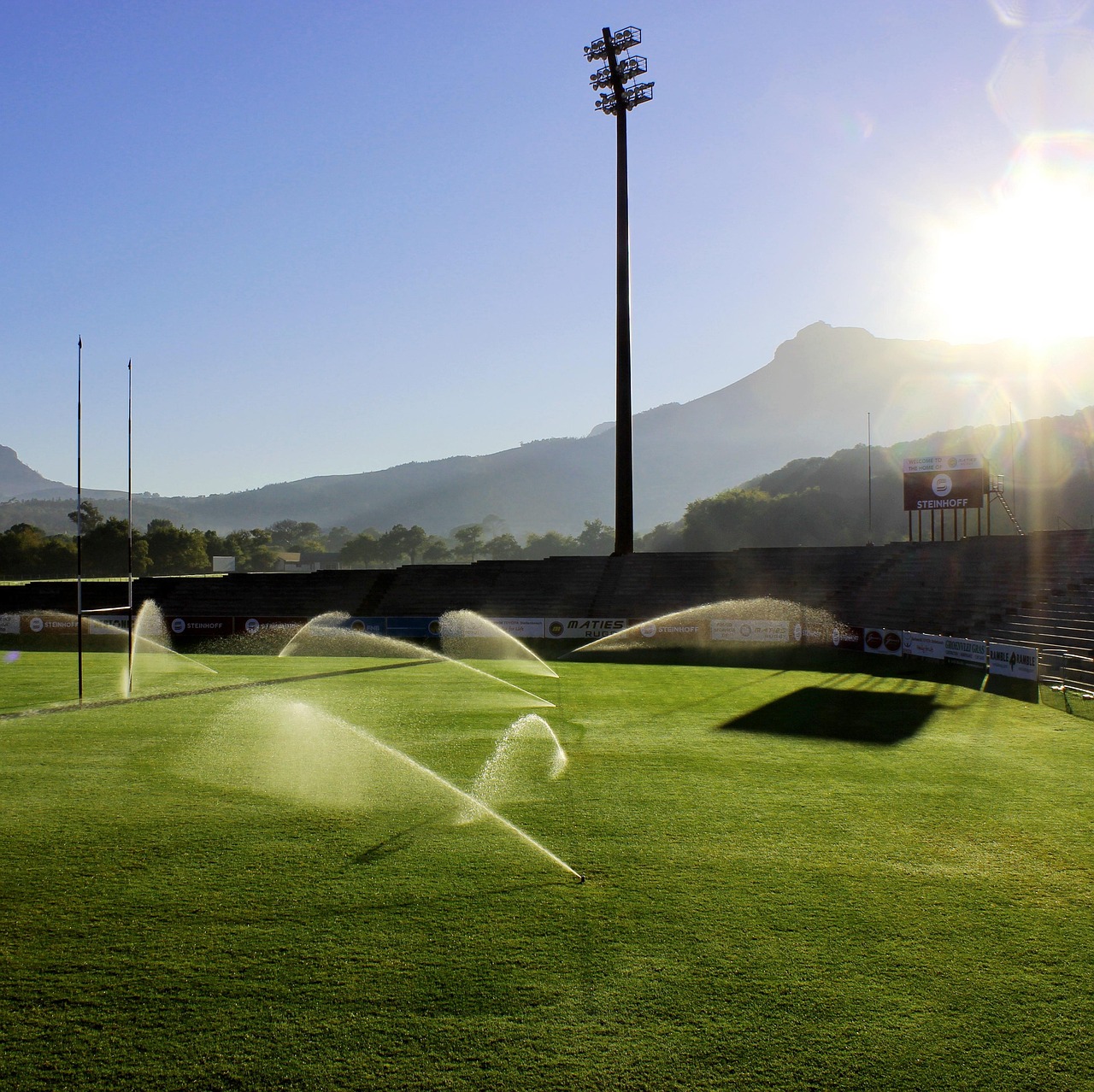
Watering is where many lawns receive either too much attention or not enough. Shallow daily watering encourages shallow roots and can keep the turf canopy wet for long periods. That environment may favor some diseases and makes the lawn more dependent on frequent irrigation. Deep, less frequent watering is usually better because it encourages roots to explore more soil volume.
Many extension lawn guides use about 1 inch of water per week as a general benchmark for actively growing turf, but it is not a universal rule. Sandy soil drains quickly and may need smaller, more frequent applications. Clay soil absorbs water slowly and may need watering split into shorter cycles to prevent runoff. Sloped lawns, compacted areas and shaded zones also behave differently from open, level turf.
Check soil moisture before watering
A simple screwdriver test can prevent unnecessary irrigation. If a screwdriver or soil probe slides into the root zone easily, the soil may still contain usable moisture. If the ground is hard and footprints remain visible after walking across the lawn, the turf may be entering moisture stress. This observation-based method is more useful than watering automatically after the same number of days all season.
Water early in the day
Early morning watering is generally preferred because wind and evaporation are usually lower than in the afternoon, and the grass has time to dry during the day. Evening watering may reduce evaporation, but it can also keep leaves wet overnight. That does not automatically cause disease, but it can increase risk when humidity, dense growth and poor air movement are already present.
Feed the lawn according to soil test results
Fertilizer should address a real nutrient need, not fill a gap in the maintenance schedule. A soil test provides information about pH and available nutrients, which helps avoid both deficiency and over-application. This matters because excess fertilizer can push weak top growth, waste money and increase runoff risk. It can also create more mowing by stimulating fast leaf growth without necessarily improving root health.
Nitrogen is the nutrient most closely associated with turf color and growth, but timing matters. Cool-season lawns usually make their strongest growth in spring and fall, while warm-season lawns are most active in late spring and summer. Fertilizing when grass is dormant or under severe heat and drought stress can be inefficient or damaging. Local regulations may also restrict fertilizer use during certain months, especially products containing nitrogen or phosphorus.
Understand pH before adding lime
Lime should not be applied simply because a lawn looks thin. Soil pH affects nutrient availability, but too much lime can create new problems. A laboratory soil test is the practical way to know whether lime is needed and how much to apply. If the test shows pH is already in an acceptable range for the turf species, adding lime is unnecessary.
Match fertilizer timing to grass type
A useful seasonal rule is to feed grass when it is actively growing and able to use nutrients. For cool-season lawns, that often means emphasizing fall feeding and using caution during summer heat. For warm-season lawns, feeding usually aligns with the warm growing period after spring green-up. Mixed lawns require more judgment because one grass may be active while another is slowing down. See also: Buying Guides.
Reduce weeds and pests by improving growing conditions
Weeds often move into lawns where grass is thin, scalped, compacted or stressed by water problems. Herbicides can be part of a lawn care plan when used legally and correctly, but they do not fix the conditions that allowed weeds to spread. A dense stand of healthy turf is the first layer of weed management.
Start by identifying the weed or pest before taking action. Broadleaf weeds, annual grassy weeds, sedges, grubs and fungal diseases require different responses. Misidentification can lead to unnecessary products, poor timing or repeated treatments that never address the real cause. When the problem is serious or recurring, local extension diagnostic services or a qualified turf professional can help confirm the issue.
Watch for compaction and thatch
Compacted soil limits oxygen and water movement around roots. Lawns near driveways, walkways, play areas and work zones are especially vulnerable. Core aeration can help when compaction is confirmed, but it works best when the grass is actively growing and able to recover. Aerating during drought stress or extreme heat can add stress instead of relieving it.
Thatch is a layer of living and dead stems, roots and organic material between the green grass and the soil surface. A thin layer is normal. Excess thatch can interfere with water movement and create a favorable habitat for certain pests. However, clippings are not the main cause when mowing is routine; excessive nitrogen, poor soil biology and certain grass types can contribute more.
Plan maintenance by season
A lawn care calendar should stay flexible, but seasonal planning prevents rushed maintenance. The right task depends on whether the grass is entering active growth, heat stress, recovery or dormancy. Instead of copying a generic schedule exactly, use it as a framework and adjust for local climate, rainfall, soil and grass species.
| Season | Main focus | Maintenance notes |
|---|---|---|
| Spring | Recovery and setup | Begin mowing when growth requires it, inspect mower blades, test soil if needed and avoid heavy fertilizer before the lawn is ready to use it |
| Summer | Stress reduction | Mow at an appropriate height, water deeply when needed, limit traffic during drought and avoid aggressive renovation during heat |
| Fall | Root growth and repair | For many cool-season lawns, fall is the best time for overseeding, aeration and key fertilization when conditions are favorable |
| Winter or dormant period | Protection | Keep unnecessary traffic off frozen or dormant turf and use the slower season to service equipment and review soil test plans |
A simple weekly grass maintenance checklist
A consistent checklist helps catch small issues before they become expensive repairs. It also keeps maintenance practical for busy homeowners and site managers.
- Walk the lawn and look for wilt, discoloration, thin areas, standing water and pest activity.
- Measure grass height before mowing, then follow the one-third rule.
- Check whether the mower blade is cutting cleanly or tearing leaf tips.
- Look at the weather forecast before watering or fertilizing.
- Probe the soil to confirm moisture instead of relying only on the calendar.
- Move heavy objects, hoses, furniture or temporary materials that are crushing turf.
- Note recurring trouble spots so drainage, shade, compaction or soil issues can be addressed directly.
The most useful habit is recordkeeping. A few notes about mowing dates, fertilizer applications, rainfall, irrigation and problem areas can reveal patterns. If the same corner thins every summer, the cause may be heat reflection, traffic, compacted soil or irrigation coverage rather than a need for more seed every year.
Frequently asked questions
How often should grass be mowed?
Mow when growth requires it, not simply every Saturday. During fast spring growth, mowing may be needed more often. During heat, drought or dormancy, growth slows and mowing frequency should decrease. The one-third rule is the better guide.
Is it better to water grass every day or once a week?
Most established lawns do better with deeper, less frequent watering than with light daily watering. The exact schedule depends on soil type, rainfall, grass species and weather. Water when the root zone is drying, not when the surface merely looks dry for a few hours.
Should grass clippings be removed after mowing?
Short, dry clippings can usually be left on the lawn. They decompose and return nutrients. Remove or spread clumps when the grass is wet, overgrown or heavy enough to smother the turf underneath.
When is the best time to fertilize grass?
The best time depends on whether the lawn is cool-season or warm-season turf. Fertilize when the grass is actively growing and use soil test results to guide product choice. Avoid feeding dormant or severely stressed turf unless a local turf specialist recommends a specific corrective step.
Why does my lawn still look weak after regular mowing and watering?
Weak turf can result from compacted soil, poor drainage, excessive shade, incorrect mowing height, nutrient imbalance, disease, insects or the wrong grass species for the site. If basic maintenance is consistent but the problem repeats, investigate soil, light and drainage before adding more fertilizer or water.