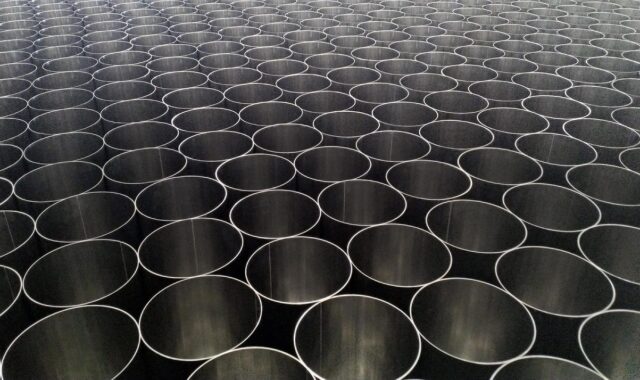
Aluminum fittings guide for alloy selection, finishes, and corrosion control
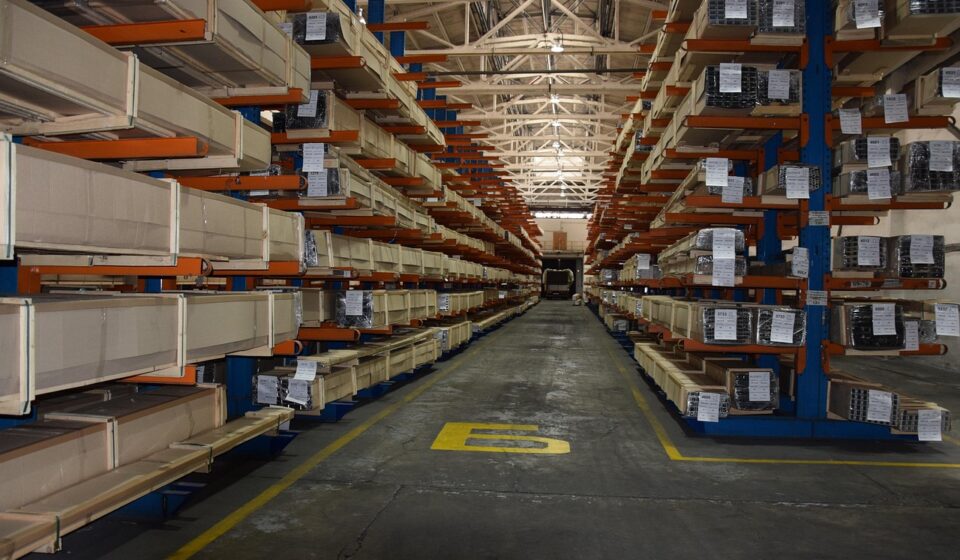
a[data-rs-seo-link]{text-decoration:underline!important;color:#1a56db!important;cursor:pointer!important;}a[data-rs-seo-link]{text-decoration:underline!important;color:#1a56db!important;cursor:pointer!important;}
Why aluminum fittings are specified in metal assemblies
Engineers, fabricators, and purchasing teams usually consider aluminum fittings when weight needs to be reduced without losing the design flexibility required for brackets, couplers, collars, rail connectors, tube fittings, housings, and architectural hardware. Aluminum is not the default answer for every joint. High wear, pressure containment, safety-critical loading, or severe galvanic exposure may call for another material or added isolation. Where the requirement is moderate strength, corrosion resistance, a clean surface, machinability, and lower mass than steel, aluminum can be a practical choice. The specification should treat alloy, temper, finish, fastening method, and service environment as one package, not simply call for “aluminum.”
For more background on related hardware categories, see the Breezcats Metal Fittings section.
Public technical references from ASTM International, the Aluminum Extruders Council, the Aluminum Association, and corrosion-focused industry bodies point to the same practical conclusion: aluminum fitting performance depends on the details behind the material callout. A 6063 fitting intended for a clean architectural surface is not the same design choice as a 6061-T6 machined fitting, and neither should be evaluated without considering the joint, load path, finish, and nearby metals.
What counts as an aluminum fitting?
An aluminum fitting is any connector, transition piece, mounting element, or joining component made from aluminum or an aluminum alloy. In sourcing and purchasing language, the term can cover small machined blocks, tube connectors, elbows, flanges, rail clamps, corner brackets, channel fittings, cable tray accessories, pipe-related parts, and custom extruded connection profiles.
Because the term is broad, a useful specification should identify the fitting by function rather than by name alone. A decorative trim connector, a structural corner bracket, and a fluid-handling threaded part may all be called aluminum fittings, but they need different checks. The trim connector may prioritize finish and dimensional consistency. The bracket may require attention to yield strength, load path, and fastener engagement. The threaded part may need pressure-rated material standards, sealing design, thread quality, and compatibility with the carried fluid.
ASTM B221 is commonly referenced for aluminum and aluminum-alloy extruded bars, rods, wire, profiles, and tubes. ASTM’s published scope also makes an important distinction: general-purpose tube products are not automatically suitable for pressure-carrying use. For seamless aluminum pipe and seamless extruded tube intended for pressure applications, ASTM B241/B241M is the more relevant family of requirements. That distinction matters because many fitting problems begin with an assumption that a general extrusion standard proves more than it actually does.
Common alloy choices buyers compare for aluminum fittings
Most aluminum fittings used in extruded profiles, brackets, and light structural hardware are made from 6xxx-series alloys. The Aluminum Extruders Council describes 6000-series alloys as frequently used for extrusion because they balance strength, corrosion resistance, weldability, machinability, and surface finish. Silicon and magnesium are the main alloying elements in this series, and their balance affects both strength and manufacturability.
The comparison below is a practical guide, not a substitute for a project-specific engineering calculation or supplier datasheet.
| Alloy | Typical fitting use | Strength and fabrication notes | Specification caution |
|---|---|---|---|
| 6063 | Architectural connectors, trim fittings, light-duty brackets, heat sink-related shapes | Known for good extrudability and surface finish; often chosen where appearance and profile complexity matter more than maximum strength | Do not choose it only for looks if the part carries high mechanical loads |
| 6061 | Machined fittings, brackets, structural connectors, equipment hardware | Widely available and often selected for higher strength than 6063, with good machinability and general corrosion resistance | May be harder to extrude into very complex thin-wall shapes than 6063 |
| 6005A | Structural extrusions, rails, transportation-related profiles, medium-strength connectors | Often used where designers want a balance between structural performance and extrusion efficiency | Confirm temper and mechanical properties, because supplier data can vary by product form |
| 6082 | Higher-strength structural profiles, especially in markets where this alloy is commonly stocked | Can offer higher strength among common 6xxx extrusion alloys but may be more demanding to process | Availability and finish expectations should be checked early |
Temper is as important as alloy. A 6061 callout is incomplete unless it also identifies the condition, such as T6 where appropriate. Heat treatment changes mechanical behavior, and the same alloy family can produce different strength, elongation, and forming characteristics depending on temper and production route.
Where aluminum fittings work well
Aluminum fittings are especially useful where weight, corrosion resistance, and shape flexibility all matter. In frames, access panels, machinery guards, solar mounting hardware, lighting systems, transportation interiors, and architectural assemblies, aluminum can reduce mass while allowing extruded or machined features that would often be more difficult or costly to produce in stainless steel.
Design efficiency is another advantage. Extrusion can integrate ribs, screw bosses, undercuts, slots, and enclosed cavities into the fitting or mating profile. This can reduce the number of separate parts in an assembly. The Aluminum Extruders Council also notes that geometry can allow lower-strength alloys to perform in applications where a simple material comparison might suggest using a stronger alloy. In practice, a well-designed hollow profile or ribbed bracket may outperform a poorly shaped part made from a stronger alloy.
Aluminum also supports a wide range of surface treatments. Mill finish may be adequate for hidden interior fittings. Anodized finishes are often used where appearance, abrasion resistance, and corrosion performance are important. Organic coatings and powder coatings can be specified for architectural color matching or outdoor exposure. Industry references such as AAMA 611 for anodized architectural aluminum and AAMA 2603, 2604, and 2605 for organic coatings are commonly used in building-related specifications.
Sustainability is another reason aluminum remains widely used. The Aluminum Association states that aluminum is highly recyclable and that a large share of all aluminum ever produced remains in use. For fittings, this does not replace performance checks, but it can be relevant when a project is comparing lifecycle material options.
Where aluminum fittings need caution
A common mistake is using aluminum fittings as if they behave like stainless steel or carbon steel. Aluminum has a lower modulus of elasticity than steel, so deflection can control a design even when static strength appears adequate. Threads in aluminum can also be more vulnerable to stripping or wear if the joint is assembled and disassembled repeatedly. In higher-cycle service, threaded inserts, longer thread engagement, larger bearing areas, or a different material may be needed.
Wear is another limitation. Bare aluminum is not usually the best surface for sliding contact, abrasive contact, or high-pressure bearing unless the surface is treated or the contact design spreads the load. Hard anodizing, bushings, liners, or replaceable wear plates may be appropriate, but those choices should be checked against the actual load, motion, and environment.
Pressure service requires special care. Some aluminum tube and pipe standards distinguish between general-purpose products and products intended for pressure applications. If a fitting will carry air, gas, water, oil, refrigerant, hydraulic fluid, or another pressurized medium, the specification should not rely on a generic aluminum grade alone. It should address pressure rating, wall thickness, thread form, sealing method, inspection requirements, compatible fluids, and any applicable code or customer standard. See also: Buying Guides.
Temperature can also affect performance. Many 6xxx alloys are heat treatable, so prolonged elevated-temperature exposure can change properties. For normal architectural and light industrial conditions this may not be a concern, but fittings near engines, ovens, braking systems, battery enclosures, or process equipment should be reviewed more carefully.
Corrosion and dissimilar-metal contact
Aluminum naturally forms an oxide layer that helps resist corrosion in many environments. That is one reason it performs well in building products, transportation parts, and outdoor hardware. Corrosion performance, however, is not universal. Chlorides, trapped moisture, chemical cleaners, acidic or alkaline environments, and contact with dissimilar metals can all change the risk profile.
Galvanic corrosion is one of the most important concerns for aluminum fittings. The British Stainless Steel Association explains that bimetallic corrosion requires dissimilar metals in electrical contact and an electrically conductive liquid bridging the contact. In a dry indoor environment, the risk may be low. In coastal, marine, washdown, or deicing-salt exposure, the risk can increase sharply.
Stainless steel fasteners in aluminum parts are common, but the joint still needs design attention. Relative surface area matters: a small stainless fastener in a large aluminum member is usually less severe than a small aluminum fastener holding a large stainless component. Insulating washers, nonconductive sleeves, sealants, coatings, proper drainage, and avoiding water traps are practical ways to reduce risk. In severe marine exposure, isolation details should be treated as part of the design, not as optional accessories.
Finish selection should also reflect the environment. Anodizing may be suitable for many exposed aluminum fittings, but coating quality, sealing, film thickness, alloy choice, and cleaning practice all influence long-term performance. Painted or powder-coated fittings need surface preparation and coating systems suited to the exposure category. If the finish is damaged during cutting, drilling, or installation, touch-up requirements should be defined before the assembly goes into service.
How to specify aluminum fittings more clearly
A complete aluminum fitting specification should remove ambiguity. Instead of writing only “aluminum fitting,” identify the part function, product form, alloy, temper, finish, dimensions, tolerances, applicable standard, inspection method, and service environment. Where loads are important, include load direction, safety factor assumptions, fastener pattern, and expected duty cycle.
- Define the application: structural support, alignment, sealing, decorative trim, fluid connection, electrical enclosure, or removable hardware.
- Call out alloy and temper: for example, 6061-T6 or 6063-T5 where suitable, rather than alloy family alone.
- Match the standard to the product: general extruded profiles, seamless pressure tube, structural pipe, machined bar, and cast fittings may require different references.
- Set finish expectations: mill finish, anodized finish, conversion coating, powder coating, or architectural coating performance level.
- Address contact metals: list stainless steel, carbon steel, copper alloys, galvanized steel, or coated components that touch the fitting.
- Control installation details: torque limits, thread engagement, isolation washers, sealants, drainage gaps, and field-cut edge treatment.
- Request documentation: material certification, coating certification, dimensional inspection, and any required test reports.
For purchasing teams, the better supplier question is not “Do you have aluminum fittings?” It is “Which alloy, temper, standard, finish, and inspection record apply to this fitting?” That question quickly separates a commodity part from a controlled engineering component.
Frequently asked questions
Are aluminum fittings strong enough for structural use?
They can be, but the answer depends on alloy, temper, geometry, fastener layout, load direction, and service environment. A properly designed 6061-T6 or 6005A fitting may be suitable for many structural assemblies, while a decorative 6063 fitting may not be appropriate for high loads. Engineering review is recommended for safety-critical parts.
Is 6061 better than 6063 for aluminum fittings?
Not always. 6061 is often chosen when higher strength and machinability are priorities. 6063 is often preferred for extruded shapes that need a cleaner surface finish, easier extrusion, or an architectural appearance. The better choice is the one that matches the fitting’s load, shape, finish, and cost requirements.
Can aluminum fittings be used with stainless steel fasteners?
Yes, this combination is common, but moisture and electrolyte exposure must be considered. In outdoor, coastal, or washdown environments, isolation washers, sleeves, sealants, coatings, and drainage can reduce galvanic corrosion risk.
Do aluminum fittings rust?
Aluminum does not rust like iron or carbon steel, but it can corrode. Pitting, staining, galvanic corrosion, and coating failure are possible if the environment is aggressive or the fitting is poorly detailed.
What should be checked before ordering custom aluminum fittings?
Confirm the alloy, temper, drawing tolerances, finish, mating parts, fasteners, load case, corrosion exposure, inspection requirements, and whether the fitting is decorative, structural, or pressure-related. These details have a larger impact on performance than the material name alone.
Bottom line
Aluminum fittings offer a useful balance of light weight, corrosion resistance, manufacturability, and appearance, but they should be specified with precision. The safest approach is to match alloy, temper, finish, geometry, and installation details to the real service conditions. For many metal assemblies, that makes aluminum a practical and efficient fitting material. For pressure service, severe galvanic exposure, high wear, or safety-critical loads, the specification should be reviewed against the relevant standards and engineering requirements before purchase.