How to choose metal conduit pipe fittings for safe electrical raceways

a[data-rs-seo-link]{text-decoration:underline!important;color:#1a56db!important;cursor:pointer!important;}a[data-rs-seo-link]{text-decoration:underline!important;color:#1a56db!important;cursor:pointer!important;}
What metal conduit pipe fittings need to do
Metal conduit pipe fittings do more than complete a conduit run. They connect raceway sections, protect conductor insulation at entry points, maintain alignment, support bonding continuity, and help the installation withstand its service environment. A suitable fitting choice starts with three questions: which metal raceway is being connected, what mechanical or environmental stress the connection will face, and what listing or code requirement applies in the local jurisdiction.
For buyers, designers, and installers, this means the right fitting is not simply the one that matches the trade size. It must also match the conduit type, location, grounding path, enclosure rating, corrosion exposure, and installation method.
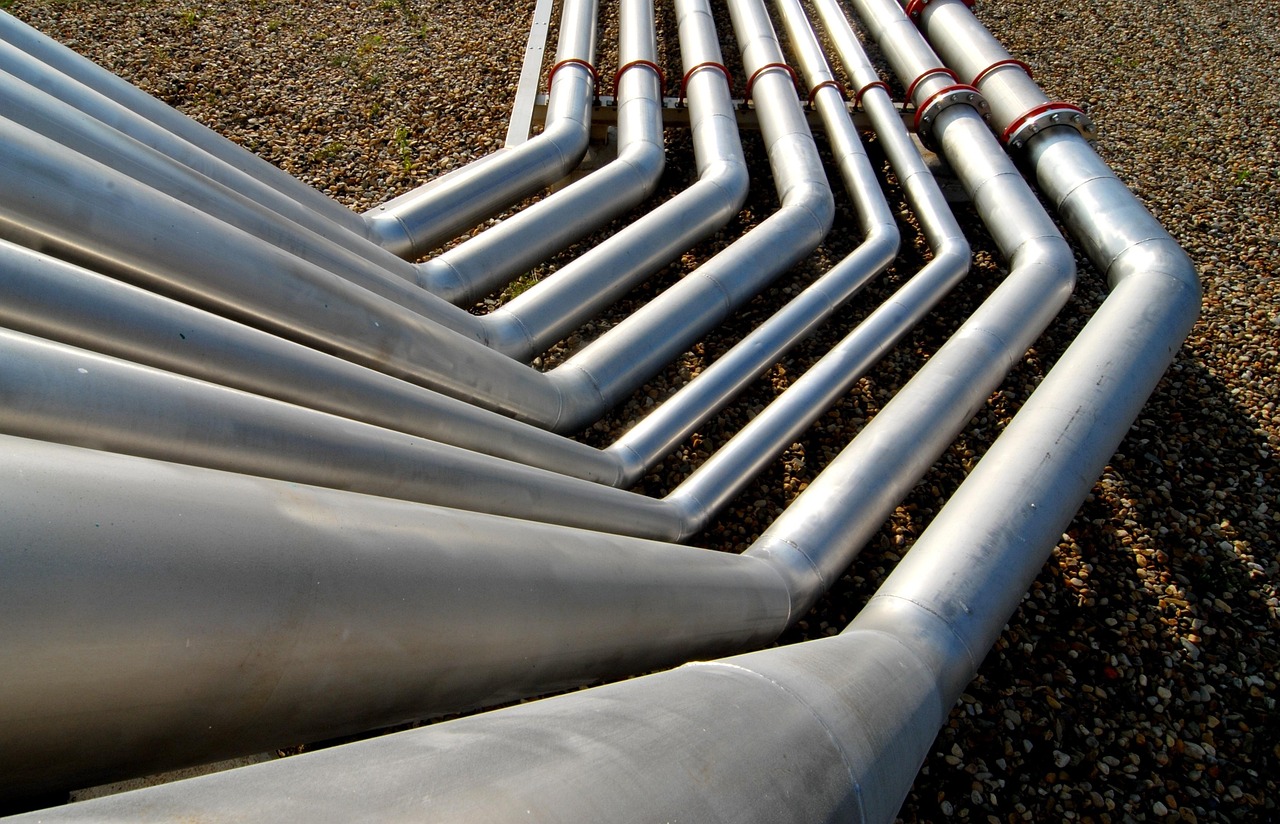
This article focuses on common metal raceway systems used in commercial, industrial, and infrastructure work, including electrical metallic tubing, rigid metal conduit, intermediate metal conduit, flexible metal conduit, and liquidtight flexible metal conduit. For more related hardware topics, visit the Metal Fittings section.
Start with the raceway type, not the fitting catalog
The most reliable way to narrow fitting selection is to identify the raceway first. Electrical metallic tubing, usually called EMT, is a thin-wall steel or aluminum raceway commonly joined with set-screw or compression couplings and connectors. Rigid metal conduit, often abbreviated RMC, and intermediate metal conduit, or IMC, are heavier systems that are frequently connected with threaded couplings, threaded hubs, locknuts, bushings, or listed threadless fittings where permitted. Flexible metal conduit and liquidtight flexible metal conduit use dedicated connectors that grip the spiral raceway; in liquidtight applications, the fittings also include sealing features.
A fitting that appears dimensionally close may still be unsuitable if it is not identified for that raceway. Publicly available material from UL Standards & Engagement describes UL 514B as covering many categories of conduit, tubing, and cable fittings, including fittings for EMT, flexible metal conduit, IMC, liquidtight flexible conduit, and rigid metal conduit. The practical takeaway is straightforward: select by the marked raceway type and trade size, not by appearance alone.
| Raceway type | Common fitting choices | Key selection issue |
|---|---|---|
| EMT | Set-screw connectors, compression connectors, couplings | Indoor, wet-location, concrete-tight, and grounding suitability |
| RMC | Threaded couplings, hubs, locknuts, bushings, elbows | Thread engagement, corrosion protection, bonding continuity |
| IMC | Threaded or listed threadless fittings | Compatibility with IMC trade size and installation conditions |
| FMC | Straight and 90-degree flexible conduit connectors | Grip, bend movement, grounding rules, and vibration exposure |
| LFMC | Liquidtight straight and angle connectors | Seal integrity, gasket condition, wet or oily environments |
Understand the standards and code checkpoints
In the United States, the National Electrical Code, published as NFPA 70, is the central model code for electrical installations. As of September 21, 2026, NFPA identifies the 2026 edition as the current edition. Local enforcement, however, depends on what a state, city, or other authority having jurisdiction has adopted. A project may still be reviewed under a prior NEC edition or under local amendments.
For fittings, the main checkpoints are product listing, raceway compatibility, environmental suitability, and installation according to the manufacturer’s instructions. UL 514B is a major safety standard for conduit, tubing, and cable fittings. NEMA FB 1 provides industry guidance related to the construction, testing, performance, and manufacture of fittings, cast metal boxes, and conduit bodies. NEMA FB 2.10 is commonly referenced for selection and installation guidance for fittings used with nonflexible metallic conduit and tubing.
These documents do not replace project specifications or local code review. They provide a framework for what to verify before purchase or installation. If a drawing simply calls for “EMT connectors,” the requirement may be incomplete. The installer still needs to know whether the location is dry, wet, embedded in concrete, exposed to washdown, subject to vibration, or part of a grounding path that depends on the metal raceway.
Match fitting design to the installation condition
Set-screw versus compression EMT fittings
Set-screw EMT fittings are widely used in dry interior spaces because they install quickly and can provide a firm mechanical connection when tightened correctly. Compression EMT fittings use a compression ring or gland arrangement to grip the tubing. They are often selected where a tighter mechanical connection is preferred or where the fitting is specifically listed for conditions that set-screw fittings do not cover.
Neither style is automatically better in every application. The key point is that the fitting must be listed and marked for the location. A wet or outdoor installation should not rely on the assumption that a compression fitting is suitable by default. The product marking, packaging, and installation instructions should identify the intended environment.
Threaded fittings for RMC and IMC
Rigid metal conduit and intermediate metal conduit are often used where higher mechanical protection is required. Threaded couplings and hubs can create strong metal-to-metal connections, but their performance depends on clean threads, proper engagement, and corrosion protection after cutting or threading. If field-cut conduit is threaded, the cut area should be handled according to the applicable installation practice and project specification so that exposed steel is not left vulnerable in corrosive locations.
Flexible and liquidtight connectors
Flexible metal conduit fittings are useful where equipment movement, vibration, or routing constraints make a rigid connection impractical. Liquidtight flexible metal conduit fittings add sealing elements for locations exposed to moisture, oils, or washdown conditions. In both cases, the connector must be designed for the specific flexible raceway type. A connector that grips one flexible conduit construction may not correctly grip another.
Environment drives material and sealing choices
Material selection is a major part of fitting performance. Common metal conduit fittings may be made from steel, malleable iron, die-cast zinc, aluminum, stainless steel, or other alloys, depending on the application and manufacturer. The raceway material, enclosure material, and atmosphere all influence the right choice.
For normal indoor commercial work, zinc-plated or galvanized fittings may be adequate when listed for the use. In outdoor, industrial, coastal, food-processing, wastewater, or chemical areas, corrosion resistance becomes more important. Stainless steel may be specified where corrosion exposure is severe, while aluminum fittings may be used with aluminum conduit or in applications where weight and corrosion behavior are priorities. Dissimilar metals can create galvanic corrosion risk when moisture is present, so compatibility should be reviewed when aluminum, stainless steel, galvanized steel, and cast metal enclosures are mixed.
Sealing is another common failure point. A fitting at a wet-location enclosure may include a gasket, sealing ring, hub design, or liquidtight gland. Those parts must be intact and installed in the proper order. Paint buildup, damaged threads, missing sealing washers, over-tightened locknuts, or misaligned conduit can compromise the connection even when the fitting itself is correctly listed.
- Use fittings marked for wet locations when the raceway enters wet or outdoor areas.
- Confirm whether a fitting is identified as concrete-tight before embedding it in concrete.
- Use corrosion-resistant materials where the atmosphere or process chemicals justify them.
- Check enclosure ratings so the fitting does not reduce the performance of the box or cabinet.
- Follow torque and assembly instructions when sealing washers, glands, or hubs are used.
Grounding and bonding cannot be an afterthought
Metal raceways can form part of the equipment grounding path when installed under the rules of the adopted electrical code. In that role, fittings are more than mechanical connectors. They may also need to provide reliable electrical continuity from one raceway section to the next, and from the raceway to boxes, cabinets, and equipment enclosures. See also: Buying Guides.
Steel Tube Institute guidance notes that steel conduit systems such as RMC, IMC, and EMT are used in grounding applications when installed with suitable fittings and continuity. UL 514B listing also addresses performance expectations for fittings used in these systems. In practical terms, installers should avoid loose locknuts, paint-covered contact surfaces, mismatched parts, and fittings that are not identified for the raceway. Bonding bushings, bonding jumpers, grounding locknuts, or other bonding methods may be required in specific conditions, especially around concentric or eccentric knockouts, service equipment, hazardous locations, or circuits with higher fault-current considerations.
Because grounding rules are code-sensitive and project-specific, final decisions should be made by qualified electrical professionals and the authority having jurisdiction. For procurement teams, the key is to avoid buying fittings based only on low unit cost when the installation depends on the metal raceway as a grounding path.
A practical specification checklist for buyers and installers
Many fitting problems begin before installation, when a purchase order or material list omits important details. A clearer specification reduces substitutions that look acceptable on paper but fail in the field. At minimum, a specification for metal conduit pipe fittings should identify the raceway type, trade size, fitting style, material, listing requirement, environment, and any special bonding or sealing requirement.
- Identify the raceway. State EMT, RMC, IMC, FMC, LFMC, or another exact raceway type.
- Confirm trade size. Fittings should match the trade size indicated on the raceway and on the product marking or packaging.
- Define the location. Dry indoor, wet outdoor, corrosive, embedded, washdown, hazardous, or vibration-prone locations need different fitting details.
- State the listing or standard. Project documents commonly require listed fittings and may reference UL 514B, NEMA FB 1, or related standards.
- Check enclosure compatibility. Hubs, locknuts, and sealing washers should maintain the intended enclosure performance.
- Review grounding continuity. Confirm whether the metal raceway is part of the equipment grounding path and whether bonding accessories are needed.
- Protect cut and threaded surfaces. Follow the applicable practice for corrosion protection after field cutting or threading.
- Document substitutions. Any change from the specified fitting type, material, or listing should be reviewed before installation.
This checklist is especially useful on projects where purchasing and installation are handled by different teams. A buyer may see two fittings with the same trade size and similar appearance, while the installer may need a specific wet-location, bonding, or corrosion-resistant version. Clear specification language helps prevent that gap.
Common mistakes that reduce fitting performance
The most common mistakes are usually simple ones. A fitting is used on the wrong raceway type. A dry-location connector is installed outdoors. A locknut is left loose. A sealing washer is omitted. A field-threaded conduit end is left unprotected in a corrosive space. A flexible connector is installed where movement exceeds what the raceway and fitting can tolerate. These are ordinary specification and workmanship problems, not unusual failure scenarios.
Another mistake is treating conduit bodies as ordinary elbows. Conduit bodies can provide pulling access and directional changes, but fill, splice, and access rules still matter. If conductors are spliced inside a conduit body, the body must be suitable for that use and sized accordingly. Covers must remain accessible where code requires access.
A final mistake is ignoring local adoption. A manufacturer may publish current literature, and NFPA may list a current NEC edition, but the enforceable rule on a project is the edition and amendments adopted by the authority having jurisdiction. When in doubt, verify before procurement rather than after inspection.
Frequently asked questions
Are all metal conduit fittings interchangeable if the trade size matches?
No. Trade size is only one requirement. The fitting also has to be identified for the raceway type, location, environment, and installation method. EMT, RMC, IMC, FMC, and LFMC fittings are not automatically interchangeable.
Can EMT compression fittings be used outdoors?
Only if the specific fitting is listed and marked for the outdoor or wet-location use involved. Do not assume every compression fitting is suitable for wet locations simply because it grips more tightly than a set-screw fitting.
Do metal conduit fittings affect grounding?
Yes. When a metal raceway is used as part of the equipment grounding path, fittings must maintain electrical continuity. Loose, incompatible, painted-over, or unlisted fittings can weaken that path and may fail inspection.
What should be checked before buying fittings for a corrosive location?
Check the raceway material, enclosure material, atmosphere, moisture level, chemical exposure, and project specification. Stainless steel, aluminum, galvanized, or coated fittings may be appropriate in different situations, but material compatibility should be reviewed.
Who makes the final decision on code compliance?
The authority having jurisdiction makes enforcement decisions, and qualified electrical professionals should evaluate project-specific requirements. Product standards and manufacturer instructions help guide selection, but they do not replace local code review.