Yard maintenance safety tips for safer mowing, trimming, and cleanup

a[data-rs-seo-link]{text-decoration:underline!important;color:#1a56db!important;cursor:pointer!important;}a[data-rs-seo-link]{text-decoration:underline!important;color:#1a56db!important;cursor:pointer!important;}
Start with a risk check before the first cut
Effective yard maintenance safety tips start before any engine runs or blade turns. Walk the area, remove loose debris, choose protective gear for the task, inspect the tool, and plan for weather, heat, slopes, children, pets, cords, fuel, and chemicals. Yard work can feel routine, but mowing, trimming, pruning, hauling, spraying, and pressure cleanup can involve moving blades, thrown objects, noise, heat exposure, repetitive lifting, and pesticide contact. OSHA lists landscape maintenance hazards such as eye injury, hearing loss, cuts, amputations, chemical exposure, heat stress, slips, trips, and equipment-related injuries. (osha.gov)
For more practical upkeep guidance, this article fits within our Maintenance Tips section. The point is not to make yard work complicated. It is to make safety a short, repeatable checklist that helps prevent the mistakes most likely to cause injuries.
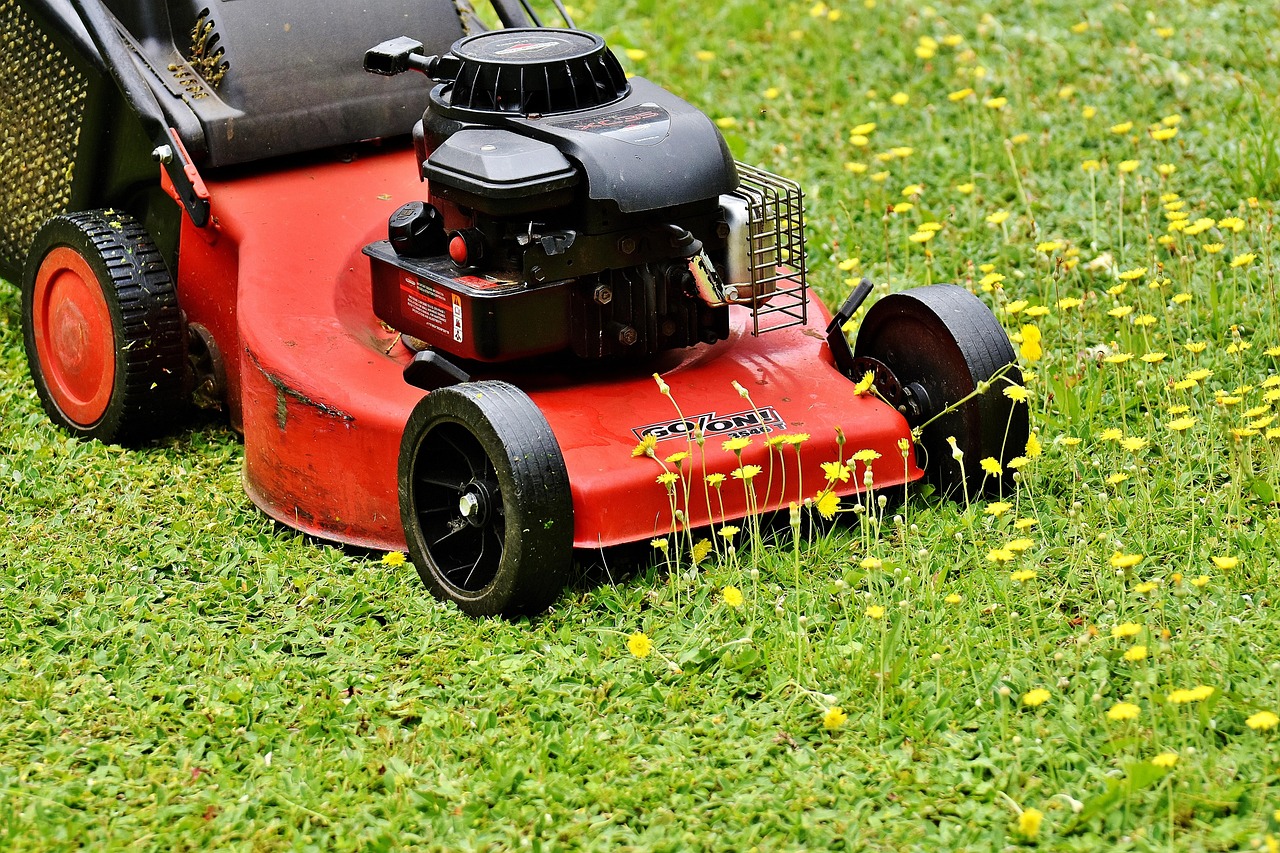
Prepare the work area before equipment starts
The first safety step is a slow walk-through. Pick up stones, sticks, toys, wire, glass, hoses, loose metal hardware, and anything else that could be struck by a blade or trimmer line. Rotary mower blades and string trimmers can throw objects without warning, especially near gravel edges, fence lines, landscape borders, and areas where repair or construction debris may remain.
Keep children, pets, and bystanders away from the work zone. This is especially important around driveways, sidewalks, and shared spaces where someone may approach from behind the operator. CPSC lawn mower materials emphasize keeping children away from mowing activity and taking extra precautions around blade contact and mower stability. (cpsc.gov)
- Mark hidden hazards. Use flags or temporary markers for shallow irrigation heads, exposed roots, low stumps, edging stakes, drainage covers, and uneven ground.
- Clear the discharge path. Point mower discharge away from people, vehicles, windows, and fragile materials.
- Check slopes before mowing. Wet grass, loose soil, and hidden ruts can turn a manageable slope into a slipping or rollover hazard.
- Separate tasks. Trim edges, move furniture, collect branches, and clear obstacles before mowing so you are not repeatedly stopping near hot parts or sharp blades.
Weather is part of the risk check. Avoid mowing during lightning, heavy rain, poor visibility, or when the grass is slick enough to affect footing. Wet material can also clog mower decks and tempt operators to clear jams in a hurry. If a mower, trimmer, edger, or blower clogs, shut it off fully and wait for moving parts to stop before touching the machine.
Wear protective gear that matches the task
Protective gear is not only for commercial crews. Homeowners using consumer lawn equipment face many of the same hazards: flying debris, noise, dust, sharp plant material, vibration, and sun exposure. OSHA small-equipment landscaping guidance highlights eye and ear protection for high-speed equipment such as line trimmers and stick edgers. (documents.landscapeprofessionals.org)
| Task | Main hazard | Practical safety choice |
|---|---|---|
| Mowing | Thrown debris, blade contact, noise | Safety glasses, sturdy closed-toe shoes, long pants, hearing protection when noise is high |
| String trimming or edging | High-speed debris, dust, eye injury | Safety glasses or goggles, face shield for heavy debris, long pants, gloves, hearing protection |
| Pruning shrubs | Cuts, eye scratches, awkward reach | Gloves, eye protection, stable footing, sharp hand tools |
| Leaf blowing | Noise, dust, small particles | Eye protection, hearing protection, dust control, awareness of nearby people |
| Chemical application | Skin, eye, and inhalation exposure | PPE required by the label, chemical-resistant gloves when specified, careful mixing and storage |
Footwear deserves more attention than it often gets. Sandals, soft sneakers, and loose footwear increase the chance of slips and blade-related injury. Choose sturdy closed-toe shoes with good traction. For heavy or repeated work, steel-toe or reinforced work boots may be appropriate. Long pants help reduce cuts, scratches, and debris impact.
Do not treat a face shield as a substitute for safety glasses unless the equipment instructions allow it. A shield protects the face from some impacts, but debris can still come from below or around the sides. When trimming near gravel, metal edging, or dry soil, sealed goggles may provide better protection than basic safety glasses.
Use mowers and trimmers with slope and debris hazards in mind
Mowers and trimmers are common, but they are not interchangeable. A walk-behind mower, riding mower, string trimmer, brush cutter, and edger each changes the operator’s body position and exposure to hazards. Before use, check that guards, shields, deflectors, handles, and safety switches are in place. Do not remove guards to make trimming faster or improve discharge. The few minutes saved can create much higher exposure to thrown debris or moving parts.
Slope direction is an easy detail to overlook. CPSC guidance for walk-behind power mowers says to mow across a slope rather than up and down, while its riding mower fact sheet illustrates mowing up and down slopes because riding mowers carry rollover and loss-of-control concerns differently. (cpsc.gov) The practical takeaway is to follow the equipment manual for your specific mower type, avoid slopes that feel unstable, and never mow a slope when grass is wet or traction is poor.
- Keep both hands in control. Avoid one-handed mowing or trimming while moving objects, using a phone, or pulling branches aside.
- Never pull a walk-behind mower backward unless necessary. If you must reverse, look behind you and move slowly.
- Do not lift or tip a running mower. Shut it down and disconnect power as instructed before inspection or cleaning.
- Trim away from people and glass. String trimmers can launch pebbles and metal fragments from fence lines and driveways.
- Pause before crossing hard surfaces. Stop blades or reduce exposure when moving over gravel, pavers, or sidewalks if the tool instructions call for it.
Maintenance also affects safety. Dull blades tear grass and can increase vibration. Loose handles, missing bolts, cracked wheels, damaged cords, and worn belts can change how equipment behaves under load. A quick hardware check before each job is especially useful after winter storage or after hitting a root, stone, or edging strip.
Control power, fuel, batteries, and cords
Many injuries happen during starting, refueling, unclogging, charging, or cleanup rather than during steady operation. Treat power isolation as a standard step. For gas-powered equipment, shut the engine off and let hot parts cool before refueling. For corded electric tools, unplug before changing blades, line, or attachments. For battery tools, remove the battery pack when clearing jams or transporting the tool, unless the manual gives a different procedure.
Gasoline-powered equipment also creates a carbon monoxide risk. CPSC warns that carbon monoxide is colorless and odorless and that gasoline engine-powered tools should not be operated in or near enclosed spaces such as garages, houses, or other buildings. (cpsc.gov) This matters because people sometimes start mowers, pressure washers, generators, or blowers in a garage with the door open. Open doors do not reliably make an enclosed space safe.
For extension cords, use outdoor-rated cords sized for the tool’s load and the working distance. Keep cords behind you, away from blades, and out of wet grass when possible. Inspect insulation, plugs, and strain relief before use. If a cord is cut, crushed, or heat-damaged, remove it from service rather than taping over serious damage.
Battery tools reduce fuel handling and exhaust, but they still need care. Store battery packs away from standing water, extreme heat, and metal objects that could bridge terminals. Use the charger specified by the manufacturer. If a pack is swollen, cracked, leaking, unusually hot, or giving off an odor, stop using it and follow the manufacturer’s disposal guidance. See also: Buying Guides.
Handle chemicals, heat, and weather as part of the job
Yard maintenance may include herbicides, fertilizers, moss control products, insecticides, cleaning concentrates, and fuel stabilizers. The most important rule is to read the label before mixing or applying anything. EPA explains that pesticide labels set the directions, precautions, locations, rates, timing, and conditions for legal and safe use. (epa.gov) Do not assume two products with similar names have the same dilution rate, protective gear, or re-entry guidance.
- Mix in a ventilated area. Avoid mixing chemicals in enclosed rooms or near ignition sources.
- Use dedicated measuring tools. Do not reuse kitchen cups or food containers.
- Wear the label-required PPE. Gloves, eyewear, long sleeves, footwear, or respiratory protection may be specified depending on the product.
- Watch wind drift. Spray only when conditions allow accurate placement and avoid drift toward people, pets, vegetables, ponds, or neighboring property.
- Store securely. Keep chemicals in original containers with readable labels, away from children, pets, heat, and incompatible materials.
Heat is another yard-work hazard, and it can build gradually. OSHA’s heat illness prevention guidance emphasizes water, rest, and shade, and CDC/NIOSH recommends appropriate rest breaks to cool down and hydrate during heat exposure. (osha.gov) Plan heavy tasks for cooler parts of the day, especially mowing large areas, hauling soil, moving stone, or pruning in full sun. New workers, older adults, people returning after time away, and anyone wearing heavy PPE may need extra caution.
Stop work if there are signs of heat illness such as dizziness, confusion, unusual weakness, headache, nausea, heavy sweating that suddenly changes, or fainting. Move the person to a cooler place, start cooling, and seek emergency help if symptoms are severe or do not improve. For household work, this may simply mean leaving the last section of lawn until conditions are safer.
Build a safer seasonal maintenance routine
A good routine turns safety into habit. At the start of each season, inspect equipment, blades, fasteners, guards, cords, chargers, fuel cans, hoses, sprayers, ladders, wheelbarrows, and storage shelves. Replace damaged parts before the busy season rather than waiting until a tool fails during a job.
- Before work: Check weather, hydration, PPE, tool condition, guards, fuel or battery charge, cord route, and the work area.
- During work: Keep bystanders away, maintain stable footing, pause when visibility or control changes, and avoid rushing near slopes or obstacles.
- After work: Let hot equipment cool, clean debris safely, recharge batteries as instructed, store sharp tools out of reach, and record repairs needed before next use.
Hardware choices can support safer habits. Use proper replacement fasteners rather than mismatched bolts. Replace cracked handles instead of wrapping them indefinitely. Keep blades sharp and balanced. Store long-handled tools on wall racks so they do not fall or create trip hazards. Use labeled containers for spare line, blades, gloves, earplugs, and eye protection so the right gear is easy to find.
For shared homes, rental properties, or small crews, consider a written checklist. It does not need to be formal. A one-page list near the garage door can remind users to check guards, wear eye protection, remove debris, keep children away, and avoid enclosed-space engine use. The same list is useful when a teenager, new employee, tenant, or seasonal helper uses equipment for the first time.
Frequently asked questions
What is the most important safety step before mowing?
The most important first step is to clear and inspect the area. Remove stones, wire, toys, branches, hoses, and loose hardware; identify slopes and hidden obstacles; and keep children, pets, and bystanders out of the work zone before starting the mower.
Do I need hearing protection for yard tools?
Hearing protection is a smart choice when using loud equipment such as mowers, blowers, trimmers, and chainsaws, especially for long sessions or repeated weekly work. Noise exposure adds up, and many powered yard tools are loud enough to make normal conversation difficult nearby.
Is it safe to mow wet grass?
Wet grass increases slipping, clogging, poor traction, and uneven cutting. It is better to wait until the lawn is dry, particularly on slopes or uneven ground. If the mower clogs, shut it off completely and wait for moving parts to stop before clearing material.
Can I use a gas mower or blower inside a garage if the door is open?
No. Gasoline engines can produce carbon monoxide, which cannot be seen or smelled. Do not run gas-powered yard equipment in a garage, shed, basement, or near enclosed spaces, even if a door or window is open.
How should I choose PPE for pesticides or herbicides?
Use the product label as the deciding source. The label may specify gloves, eyewear, long sleeves, footwear, application conditions, mixing directions, storage, disposal, and when people or pets can re-enter the treated area.