How to choose a plywood hardware shop near me for panels and fasteners
a[data-rs-seo-link]{text-decoration:underline!important;color:#1a56db!important;cursor:pointer!important;}a[data-rs-seo-link]{text-decoration:underline!important;color:#1a56db!important;cursor:pointer!important;}
Start with the job, not the nearest shelf
When someone searches for a plywood hardware shop near me, the real need is usually more specific than finding the closest store. The right shop should be able to supply the correct panel grade, thickness, exposure rating, fasteners, cutting support, storage quality, and delivery option for the work at hand. A sheet that looks fine in the aisle can still be wrong for roof sheathing, cabinet boxes, subfloor repair, exterior trim backing, or a garage workbench. Define the project first, then compare local hardware stores, lumberyards, and home centers against that requirement.
This guide explains how to evaluate a plywood and hardware supplier before buying. It is written for homeowners, small contractors, maintenance teams, and workshop buyers who want fewer returns, fewer mismatched fasteners, and fewer surprises after the panels are cut. For more material selection articles, see the Buying Guides section.
What a good local plywood shop should help you verify
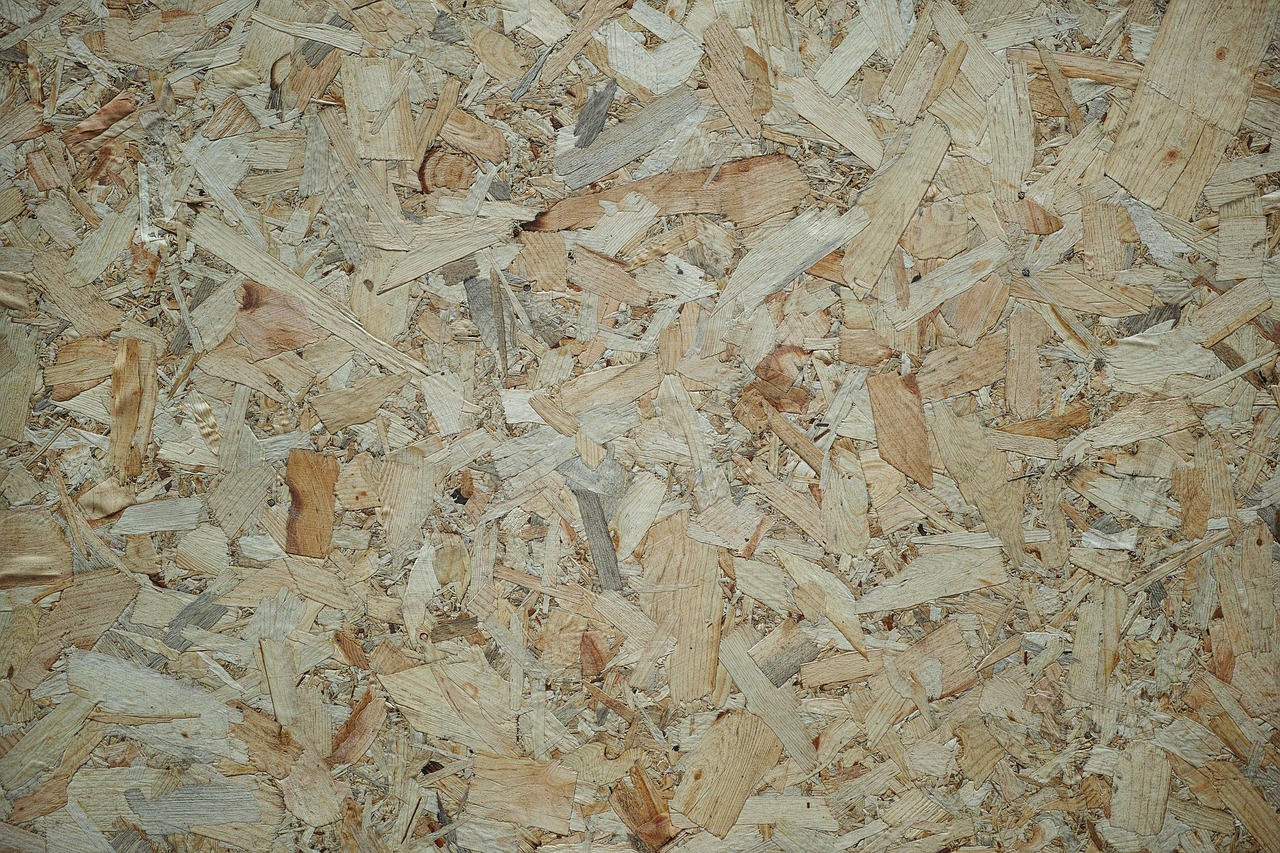
A reliable plywood source should make three points clear before checkout: what the panel is, where it can be used, and which hardware belongs with it. Start with the grade stamp or product marking. APA—The Engineered Wood Association describes PS 1 structural plywood as covering veneer grades, adhesive bond performance, panel construction, dimensions, tolerances, moisture content, marking, certification, and related quality requirements. It also distinguishes durability classifications such as Exposure 1 and Exterior for structural plywood. (apawood.org)
This matters because plywood categories often get blurred in everyday buying. A customer may say plywood when the project actually calls for sanded cabinet plywood, construction sheathing, underlayment, marine plywood, pressure-treated plywood, or a small project panel. A shop that treats all sheets as interchangeable is not giving enough guidance. A better supplier can explain why one panel may be suitable for temporary covered construction exposure while another is intended for higher exterior moisture risk, or why a smooth face grade matters when the panel will be painted.
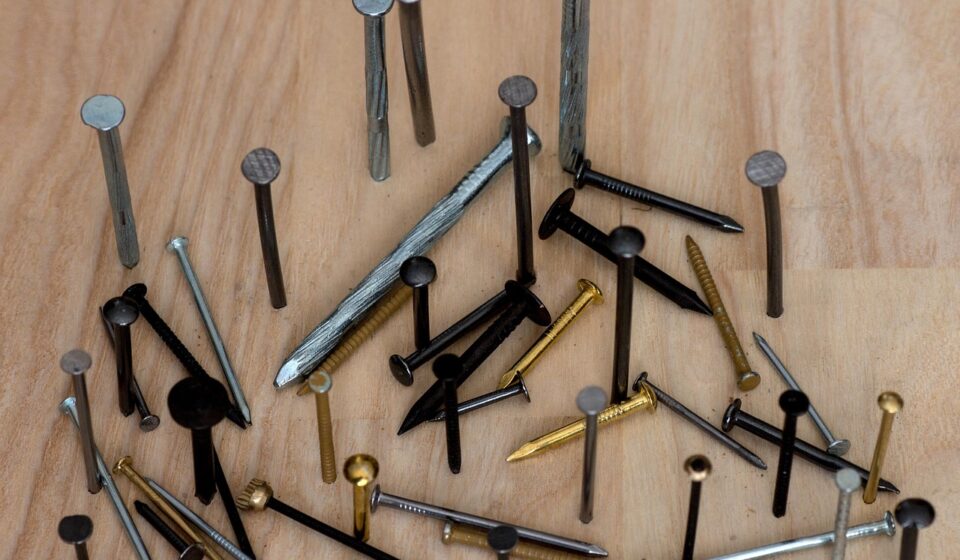
The shop should also connect the panel choice to the right hardware. Screws, nails, joist hangers, construction adhesive, washers, shelf pins, brackets, and hinges all depend on the material and application. Fasteners used with pressure-treated wood need corrosion compatibility, while fine cabinet plywood often needs screws that reduce splitting and visible damage. The best local option is not always the largest store; it is the supplier that helps you avoid an expensive mismatch.
Read the panel information before comparing prices
Price comparisons are useful only when the panels are truly comparable. A lower shelf price may reflect a thinner performance category, rougher face grade, different core, smaller sheet, lower appearance standard, or a product intended for another environment. Before deciding that one local shop is cheaper, compare these details:
- Panel type: structural sheathing, sanded plywood, hardwood plywood, underlayment, treated plywood, or specialty panel.
- Thickness or performance category: verify the marked category instead of relying only on a handwritten shelf tag.
- Face and back grade: appearance grades affect sanding, patching, paint quality, and visible defects.
- Exposure classification: check whether the panel is intended for protected use, temporary construction exposure, or exterior service.
- Span rating: for structural panels, the rating helps indicate permitted spacing when used as sheathing or subflooring, subject to code and design conditions.
- Core quality: voids, overlaps, and inconsistent layers can affect screw holding, edge finishing, and cut quality.
- Storage condition: panels should be flat, dry, and protected from standing water and excessive edge damage.
APA’s plywood and OSB guidance emphasizes selecting the appropriate panel grade, exposure durability classification, span rating, and thickness for the intended use. That makes store labeling and staff knowledge part of the buying decision, not just a convenience. (apawood.org)
Match the shop to the project type
Different projects call for different suppliers. A neighborhood hardware store may be the practical choice for one or two project panels, screws, hinges, glue, and quick cuts. A lumberyard may be stronger for structural sheathing, bulk orders, delivery scheduling, and contractor-grade inventory. A specialty plywood distributor may be the better fit for hardwood faces, veneer matching, thicker cabinet panels, or repeat orders where consistency matters.
For framing, sheathing, and subfloor repair
Ask whether the shop stocks structural panels with clear stamps, common thicknesses, and the fastening hardware used in local practice. Building code tables can specify minimum nail sizes, panel span ratings, nominal panel thicknesses, stud spacing, nail spacing, wind-speed conditions, and panel strength-axis requirements for wall sheathing. These details vary by application and jurisdiction. The store should not replace a building official or engineer, but it should be able to point you toward correctly marked panels and common code-compliant fastener categories. (codes.iccsafe.org)
For cabinets, shelves, and furniture-style work
Look beyond structural ratings and inspect the surface. Ask about hardwood plywood species, face grade, core type, sheet flatness, voids, and whether the shop can make clean cuts without chipping the face. For painted cabinets, a stable panel with a smooth face may matter more than an attractive grain. For clear finishes, veneer consistency and visible patches become more important. In this category, a shop that lets you inspect individual sheets can be worth more than one with a slightly lower posted price.
For outdoor, damp, or treated-wood projects
Moisture exposure changes both the panel and the hardware decision. If the plywood is pressure-treated or used near treated framing, ask for fasteners and connectors that are compatible with the treatment and exposure. The American Wood Protection Association advises builders to use fasteners meeting major model-code requirements, including hot-dip galvanized steel, stainless steel, silicon bronze, or copper fasteners, and to follow fastener manufacturer recommendations for compatibility with pressure-treated wood. (awpa.com)
Ask these questions before buying
A short conversation at the counter can show whether the shop is a good fit. Use questions that lead to verifiable answers, not vague reassurance.
| Question to ask | Why it matters | What a useful answer sounds like |
|---|---|---|
| Can I see the panel stamp or product label? | It verifies grade, thickness category, exposure classification, and standard references. | The staff can point to the marking and explain the basic terms. |
| Is this panel suitable for my specific use? | Plywood for cabinets, sheathing, underlayment, and exterior exposure is not interchangeable. | The answer includes conditions and limits, not just a simple yes. |
| Which screws, nails, or connectors should be used with it? | Wrong fasteners can split panels, corrode, or fail to meet project requirements. | The recommendation matches the panel, environment, and load type. |
| Can the shop cut sheets accurately? | Cutting affects transport, waste, edge quality, and project layout. | The shop explains tolerance, blade type, cut fees, and limits. |
| How are panels stored? | Moisture and bowed storage can damage sheets before installation. | Panels are flat, dry, supported, and not visibly edge-swollen. |
| What is the return policy after cutting or delivery? | Policies often change once a sheet is cut or special ordered. | The shop gives a clear written or posted policy. |
Do not ignore indoor air and compliance questions
For interior projects, especially cabinets, built-ins, closet systems, children’s furniture, and other enclosed spaces, ask how the shop identifies compliant composite wood products. In the United States, EPA’s TSCA Title VI program applies to certain composite wood products, including hardwood plywood, medium-density fiberboard, and particleboard. EPA guidance also notes that after March 22, 2024, certain non-exempt laminated composite wood products must be tested and certified as hardwood plywood through the EPA TSCA Title VI Third-Party Certification Program. (epa.gov)
This does not mean every plywood sheet in a store is automatically a problem. It means interior buyers should pay attention to product labeling, supplier documentation, and intended use. If a salesperson cannot explain whether a decorative hardwood plywood panel is covered by formaldehyde-emission requirements, ask for the manufacturer’s label or choose a supplier that can provide clearer documentation. For a utility shelf in a garage, this may be less central. For a kitchen, nursery, office built-in, or enclosed cabinet project, it becomes a practical buying factor. See also: Fasteners.
Compare service, logistics, and risk, not only distance
Distance matters when hauling four-by-eight sheets, but convenience has several parts. A shop five miles farther away may save time if it has a better cutting station, flatter stock, delivery windows, and compatible hardware available in the same trip. A closer shop may still be the right choice for small repairs if you only need one panel, a box of screws, and same-day access.
Consider the total cost of the purchase. That includes fuel, delivery charges, waste from poor cuts, extra sheets bought because of defects, delays caused by missing hardware, and returns. If you are buying for a contractor job, also consider whether the shop can hold stock, provide invoices with product descriptions, and deliver to a site without leaving panels exposed to rain. If you are buying for a home workshop, ask whether staff will help load the sheets safely and whether cut panels can fit in your vehicle.
Inventory consistency is another point. If you need ten matching sheets for cabinetry or a repeat purchase over several weeks, ask whether the shop can source the same product line again. Mixed batches may have different core construction, color tone, face repair patterns, or thickness tolerance. For structural work, consistency helps with planning. For appearance work, it affects the finished look.
A practical checklist for the aisle
Use this checklist when standing in a plywood aisle or speaking with a counter salesperson:
- Write down the project use before shopping: structural, cabinet, outdoor, underlayment, shelving, or temporary.
- Check the panel marking, not only the shelf tag.
- Confirm thickness, face quality, exposure classification, and span rating where relevant.
- Inspect both faces and edges for delamination, swelling, deep damage, and severe warp.
- Ask which fasteners and connectors are compatible with the panel and environment.
- Confirm cutting accuracy, fees, and whether cut sheets can be returned.
- Ask about storage and delivery protection if panels will not be installed immediately.
- For interior hardwood or decorative panels, ask about TSCA Title VI documentation where applicable.
The strongest local choice is the shop that answers these questions clearly and lets product information guide the sale. The weakest choice is the shop that relies on vague labels, uncertain substitutions, or a low price without confirming the intended use.
Frequently asked questions
Is a hardware store or lumberyard better for plywood?
Neither is automatically better. A hardware store may be more convenient for small panels, common screws, hinges, and quick cuts. A lumberyard may be stronger for structural panels, bulk quantities, delivery, and contractor documentation. The better choice is the supplier that stocks the correct panel type and can explain the matching hardware.
What should I bring when visiting a plywood shop?
Bring the project dimensions, intended use, indoor or outdoor exposure, planned finish, vehicle size, and any building plans or code notes. If you need fasteners, bring the framing material and connector type if known. Clear project details help staff avoid recommending a panel that is close but not correct.
Can I use construction sheathing for cabinets?
It is usually a poor choice for finished cabinets. Construction sheathing is made for structural use, not appearance, smooth finishing, or clean exposed edges. Cabinet projects usually benefit from sanded plywood, hardwood plywood, or another panel designed for finish quality.
Should I buy plywood online or locally?
Online ordering can work for specialty panels, but local buying lets you inspect flatness, face defects, edge quality, and storage condition before purchase. For large sheets, local pickup or local delivery also reduces shipping damage risk. If ordering online, verify return rules and packaging protection before paying.
How do I know if the fasteners are right for treated plywood?
Check the fastener label, the treated-wood product information, and the connector manufacturer’s compatibility guidance. For treated wood and exterior moisture risk, corrosion resistance matters. If the shop cannot confirm compatibility, choose a supplier that can provide product-specific guidance.